
22 Best Hiring Books
The best hiring books, ranked by how many expert sources recommend them, with guidance for role design, interviews, sourcing candidates, and recruiting teams.
Our take
Hiring combines several jobs that are easy to blur together: defining what a role needs, finding suitable people, gathering useful evidence, and helping a new colleague succeed. A sourcing manual answers a different question from an interviewing guide, while a book about team culture looks at the environment around the eventual hire.
Who offers a full selection framework, and Hire With Your Head starts with the outcomes a person should deliver. 96 Great Interview Questions to Ask Before You Hire provides a more focused interview reference. For recruiters building search skills, Full Stack Recruiter has a broader practical remit, while The Talent Fix concerns the organization and processes behind a recruiting function.
Whichever method you choose, distinguish clear job requirements from vague impressions about personality or fit. Start with The Effective Hiring Manager for a manager's overview, or Hire With Your Head if your main difficulty is agreeing on what the role should actually accomplish.
22 books · 14 sources · Last updated
As an Amazon Associate, we earn from qualifying purchases (at no extra cost to you).
How to choose from this list
Skip to the full rankingIf you're managing your first hire: The Effective Hiring Manager → Who
If the role is poorly defined: Hire With Your Head → The Best Team Wins
If you need interview preparation: 96 Great Interview Questions to Ask Before You Hire
If you want stronger sourcing skills: Full Stack Recruiter → The Robot-Proof Recruiter
If you're building a recruiting function: The Talent Fix → Work Rules!
If you want to question conventional talent judgments: Moneyball → Talent
The 22 books, ranked
Ranked by how many expert sources name each book. Ties go to the book more people recommend.

For managers who need a complete hiring process rather than isolated interview tips. Smart and Street connect role expectations with sourcing and assessment, though the branded framework works best when adapted to the actual demands of each job.
What it's about
Geoff Smart and Randy Street present a structured approach to avoiding hiring mistakes. Their A Method combines clear expectations, candidate sourcing, focused interviews, and recruitment practices to help organizations identify people suited to the results a role requires.
Also recommended by
2 people Noah Kagan recommended this book
Noah Kagan
Noah Kagan recommended this book in the "Tools of Titans" book.
Noah Kagan's recommendation of this book  Alexis Ohanian recommended this book
Alexis Ohanian
"Great book!" - Alexis Ohanian
Alexis Ohanian's recommendation of this book

Hiring for Attitude
For managers who have overemphasized technical skill while overlooking work behaviors. Murphy makes behavioral expectations explicit, though vague judgments about attitude or fit can reinforce bias unless tied to clear, job-relevant evidence.
What it's about
Mark Murphy argues that employee attitude and organizational fit deserve greater attention in hiring. Drawing on his firm's research and company case studies, he presents methods for assessing candidates whose behavior and outlook align with the workplace alongside their technical skills.

The Robot-Proof Recruiter
A Survival Guide for Recruitment and Sourcing Professionals
For recruiters who want candidate trust and human communication to remain central amid automation. Collier makes relationship failures recognizable, though the argument needs pairing with current tool knowledge and a structured method for evaluating candidates.
What it's about
Katrina Collier argues that effective recruiting depends on human relationships as well as digital sourcing tools. Her guide explores attracting candidates’ attention, building trust, and working with hiring managers amid automation and an overload of online communication.

For business leaders who want recruiting organized into a clear operating sequence. Hyman connects selection with closing and onboarding, though the high-performer language can oversimplify how context and team support influence success after hiring.
What it's about
Jeff Hyman offers a ten-step recruiting process for building teams of strong performers. The book covers defining hiring needs, finding candidates, assessing skills and fit, securing acceptance, and onboarding new employees to support their success.
Also recommended by
1 person Brad Feld recommended this book
Brad Feld
"I loved it and I think you will too." - Brad Feld
Brad Feld's recommendation of this book
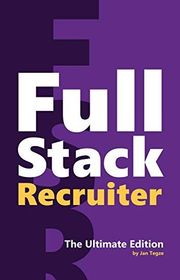
Full Stack Recruiter
For recruiters who want a substantial reference spanning sourcing and the wider hiring process. Tegze brings practical methods together in one place, though its size and tool-sensitive material make selective use and current verification more useful than linear reading.
What it's about
Jan Tegze presents a broad recruiting reference covering candidate research, sourcing, interviewing, employer branding, candidate experience, and analytics. The expanded Ultimate Edition combines practical techniques with explanations of how different parts of the recruiting process work together.

For recruiters and managers whose job descriptions list credentials without defining useful outcomes. Adler offers a performance-centered structure for assessment, though agreeing on credible objectives requires time and genuine collaboration before interviews begin.
What it's about
Lou Adler explains performance-based hiring through defining the outcomes a role must deliver. The book connects talent strategy, sourcing, assessment, and candidate engagement, showing how clearer job expectations can broaden applicant pools and support stronger, more diverse teams.

Social Media Recruitment
How to Successfully Integrate Social Media into Recruitment Strategy
For recruiters who want sourcing connected with communication and employer visibility. Headworth treats social platforms as part of a strategy, though the older channel examples and feature details need substantial updating for current tools and candidate expectations.
What it's about
Andy Headworth explains how organizations can integrate social media into recruitment strategy. Case studies and practical steps connect hiring with marketing, covering implementation, return on investment, policies, video interviewing, and internal communication.

For talent leaders who need to improve the recruiting function around individual searches. Sackett connects organization, process, and technology, though the operating-model focus is less directly useful to a manager preparing for one immediate interview.
What it's about
Tim Sackett presents a practical model for building and sustaining an organization’s talent acquisition function. Examples from recruiting leaders and companies illustrate changes to organizational design, processes, and technology that support a scalable hiring operation.

For talent leaders interested in the organizational systems behind hiring and employee management. Bock provides detailed experience from Google, though its resources and unusual culture mean the examples require adaptation rather than direct copying.
What it's about
Laszlo Bock draws on his experience leading Google's people operations to examine hiring, motivation, management, and workplace culture. He combines company examples with research to explore how organizations can balance employee freedom with structure and measurable performance.
Also recommended by
3 people Changpeng Zhao recommended this book
Changpeng Zhao
"Talks about work-related insights derived from the author’s time at Google." - Changpeng Zhao
Changpeng Zhao's recommendation of this book  Michael Mauboussin recommended this book
Michael Mauboussin
"Many valuable ideas about building and sustaining a great work environment." - Michael Mauboussin
Michael Mauboussin's recommendation of this book  John Doerr recommended this book
John Doerr
John Doerr recommended this book at the end of "Measure What Matters."
John Doerr's recommendation of this book

For recruiting teams repeatedly caught unprepared when a vacancy appears. Wintrip emphasizes advance pipelines and clear profiles, though speed depends on maintaining candidate relationships and should not replace careful assessment of job-relevant evidence.
What it's about
Scott Wintrip proposes cultivating qualified candidates before vacancies appear. His approach combines clear job profiles, a continuous candidate pipeline, and structured assessment to shorten hiring delays, with practical systems for identifying talent and maintaining a pool of potential employees.
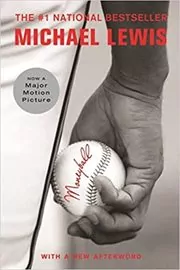
For readers who want a memorable challenge to conventional judgments about talent. Lewis shows the appeal of looking for overlooked evidence, though baseball's measurable performance environment does not transfer neatly to every workplace hiring decision.
What it's about
Lewis shows how Oakland A’s general manager Billy Beane used statistics and undervalued players to build a winning baseball team on a shoestring budget, challenging decades of scouting wisdom and changing how fans, front offices, and players think about the game.
Also recommended by
1 person Ev Williams recommended this book
Ev Williams
On the "books read" section of Ev Williams' GoodReads profile.
Ev Williams's recommendation of this book

96 Great Interview Questions to Ask Before You Hire
For interviewers who need a practical bank of questions with guidance on what responses might reveal. Falcone makes preparation easier, though selecting questions consistently around job requirements matters more than using every suggested prompt.
What it's about
Paul Falcone provides interview questions alongside guidance on interpreting candidates' responses. The book covers achievements, self-assessment, career history, reference checks, screening, and job offers, helping hiring managers probe beyond rehearsed answers and gather more useful information.

For leaders recruiting senior executives rather than filling routine vacancies. Perry and Haluska connect search strategy with selection and appointment, though the executive-search context makes the guidance more specialized than a general hiring handbook.
What it's about
David Perry and Mark Haluska explain how organizations can recruit and retain senior executives. Drawing on executive search experience, they discuss defining hiring needs, selecting recruiters, positioning opportunities, evaluating candidates, and negotiating appointments.

For recruiting leaders who want to examine the candidate experience across a changing digital process. Wolfe provides prompts for reviewing weak points, though the technology examples and forecasts reflect their publication period and need current context.
What it's about
Ira Wolfe examines how rapid technological change affects hiring and workforce planning. He then sets out a recruitment approach centered on candidate experience, using digital marketing, technology, audits, and worksheets to diagnose weak hiring processes.

The Effective Hiring Manager
For managers who want practical guidance across screening, interviews, decisions, and offers. Horstman gives the full process a clear sequence, though implementing it well still requires shared criteria and coordination rather than simply following forms.
What it's about
Mark Horstman guides managers through a structured hiring process from selection criteria to onboarding. The book covers resume review, phone screening, interview questions, evaluating results, making offers, and declining candidates, helping teams choose people suited to the role.

For hiring leaders who want to understand the team environment new employees will join. Coyle makes trust and shared purpose tangible, though the book addresses group culture more than candidate sourcing, assessment, or a repeatable selection process.
What it's about
Daniel Coyle investigates how successful groups build cooperation through examples from sports, design, business, and other settings. He examines practices that create trust, encourage collaboration, and establish shared purpose, translating observations into approaches for shaping team culture.
Also recommended by
3 people Graham Duncan recommended this book
Graham Duncan
"[The author looks] at a bunch of different cultures. Pixar, Navy SEALs, [etc...] And he’s looking for patterns among what makes people disproportionately effective as a culture." - Graham Duncan
Graham Duncan's recommendation of this book - Changpeng Zhao recommended this book
Changpeng Zhao
"At Binance, we constantly strive to build a great culture, and we constantly draw lessons from this book’s case studies of admirable organizations." - Changpeng Zhao
Changpeng Zhao's recommendation of this book  Tony Robbins recommended this book
Tony Robbins
Tony Robbins mentioned this book in an interview.
Tony Robbins's recommendation of this book

For readers who want to question familiar signals of ability and potential. Cowen and Gross bring unusual questions and observations to talent identification, though the conversational, example-led approach needs balancing with consistent, job-relevant assessment methods.
What it's about
Tyler Cowen and Daniel Gross examine how to recognize, recruit, and retain creative, capable people. Their guide explores interviews, personality, intelligence, overlooked candidates, and unconventional searches, combining research with practical judgments about matching individuals to opportunities.
Also recommended by
1 person Patrick Collison recommended this book
Patrick Collison
"They've seen how undergrad & grad programs, academic departments, YC, startups, Apple, and Pioneer do talent selection." - Patrick Collison
Patrick Collison's recommendation of this book

For executives who want hiring treated as an organizational capability. Ternynck connects recruitment decisions with wider business priorities, though the strategic perspective offers less direct sourcing and interview detail than a hands-on recruiter handbook.
What it's about
Jerome Ternynck examines hiring as a strategic responsibility for business leaders. Drawing on recruiting and software-industry experience, he describes approaches to attracting, selecting, and hiring talent at scale, helping organizations adapt their recruitment practices to a changing labor market.

Reboot Hiring: The Key To Managers and Leaders Saving Time, Money and Hassle When Recruiting
For managers who need to make their part of hiring clearer and more effective. Collier focuses on the decisions and relationships that tools cannot settle, though the changes require managerial commitment beyond asking recruiters to work faster.
What it's about
Katrina Collier examines how managers and leaders influence the hiring process. The guide addresses unclear expectations, communication problems, collaboration with recruiters, and reliance on technology, encouraging more deliberate decisions about the work required and the people being sought.

For leaders asking why strong candidates would join and stay with their organization. Miller's business-story format makes attraction and retention easy to discuss, though it offers broader leadership principles rather than a detailed interviewing method.
What it's about
Mark Miller explores what talented employees seek from their work and how leaders can attract and retain them. Told through a business story, the book uses research to examine the organizational conditions that make people choose to stay.

Talent: How to Identify Energizers, Creatives, and Winners Around the World
For readers interested in recognizing potential beyond an obvious résumé. Cowen and Gross offer exploratory perspectives on interviews and talent search, though their examples and judgments provide less of a standardized assessment process than a role-focused hiring framework.
What it's about
Tyler Cowen and Daniel Gross explore how people identify, attract, and develop talent. Discussions of interviews, curiosity, motivation, overlooked abilities, and organizational settings ask how evaluators can notice potential that conventional credentials or familiar assumptions may fail to capture.

For managers who want hiring decisions supported by explicit profiles and scorecards. Robinson makes a repeatable process approachable, though predictive labels should not obscure the need to evaluate whether assessments actually relate to the job.
What it's about
Adam Robinson presents a structured approach to hiring based on predictive information. The book explains how to build job profiles and candidate scorecards, assess competencies, conduct interviews, and craft offers that support better hiring decisions.
Sources
- 1
Best Recruiting Books | 18 Picks for Recruiters and HR
thecognitive.io
- 2
33 Best Recruiting Books Every Recruiter Should Read (2026) - Pin
pin.com
- 3
5 Best Recruiting Books for HR Teams, Chosen by MixWork Recruiters
mixwork.co
- 4
The 8 Books Every Recruiter Should Read
linkedin.com
- 5
16 Best Recruitment Books to Read
teambuilding.com
- 6
Best 24 Books for Recruiters and HR Managers to Read in 2022
amazinghiring.com
- 7
Recruiting Books
goodreads.com
- 8
10 Best Recruiting Books for Recruiters
ismartrecruit.com
- 9
10 Best Recruitment Books To Hire Better in 2021 | Vervoe
vervoe.com
- 10
16 Best Recruitment Books to Read
teambuilding.com
- 11
Your go-to Books : r/recruiting
reddit.com
- 12
Hiring Methods : r/recruiting
reddit.com
- 13
Any Talent Acquisition books you’d recommend?
reddit.com
- 14
11 of the Best Recruitment Books for 2021 | Harver
harver.com






Edited by
Software engineer whose passion for tracking book recommendations from podcasts inspired the creation of MRB.
Lead investor at 3one4 Capital whose startup expertise and love for books helped shape MRB and its growth.
Comments
Spotted a missing book, a wrong order or a mistake? Tell us and we'll fix this page.
We're a reading guide, not the author or publisher, so we can't send books or pass on messages.