
25 Best Survival Books
The best survival books, ranked by how many expert sources recommend each one, with notes on who they suit, from outdoor beginners to household preparedness.
Our take
Survival books cover several different activities. Preparing for an unexpected night outdoors differs from choosing to live in the woods, and both differ from planning for disrupted services at home. Some books provide broad illustrated overviews; others concentrate on a region, a practical skill, or the decisions people make under stress. Choosing by situation helps you avoid expecting one manual to cover everything equally well.
98.6 Degrees and Survive! offer approachable routes into wilderness preparation and judgment. SAS Survival Handbook and The Survival Handbook provide broader reference coverage, while Bushcraft 101 and Northern Bushcraft focus more on skills developed through practice. For household planning, consider When All Hell Breaks Loose or Prepper's Long-Term Survival Guide. Build the Perfect Bug Out Bag narrows the question to a portable kit. Deep Survival examines the human side of emergencies. Start with a book suited to your likely setting, then add focused references and practical instruction before you need the skills.
25 books · 7 sources · Last updated
As an Amazon Associate, we earn from qualifying purchases (at no extra cost to you).
How to choose from this list
Skip to the full rankingIf you're new to wilderness preparation: 98.6 Degrees → Survive!
If you want a broad illustrated reference: SAS Survival Handbook → The Survival Handbook
If you want to study bushcraft and natural materials: Bushcraft 101 → Northern Bushcraft → Primitive Wilderness Living & Survival Skills
If you're planning for disrupted services at home: When All Hell Breaks Loose → Prepper's Long-Term Survival Guide → When Technology Fails
If you want to plan a portable emergency kit: Build the Perfect Bug Out Bag
If you want to examine decisions under stress: Deep Survival
The 25 books, ranked
Ranked by how many expert sources name each book. Ties go to the book more people recommend.
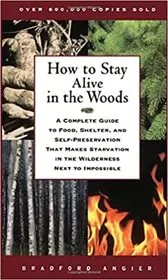
How to Stay Alive in the Woods
A Complete Guide to Food, Shelter and Self-Preservation Anywhere
For readers interested in an older introduction to wilderness self-reliance. Angier combines several essential topics in an accessible format, though the publication era and broad treatment make it a companion to current instruction rather than a complete field authority.
What it's about
Bradford Angier explains the basics of living off the land when stranded outdoors, with guidance on food, shelter, and self-preservation. Illustrations and instructions accompany his discussion of wilderness needs and the skills used to meet them.
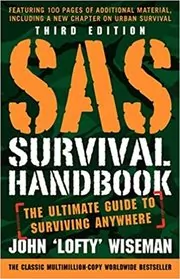
For readers who want a broad reference spanning environments and emergency situations. Wiseman’s illustrated coverage makes it useful for surveying unfamiliar topics, though the breadth leaves less detail than specialist guides and many techniques need practice beyond the page.
What it's about
John 'Lofty' Wiseman surveys survival skills across climates and emergency situations. Illustrated instruction covers preparation, navigation, shelter, food, and first aid, with this edition also addressing urban dangers, security, and coping when ordinary services are unavailable.
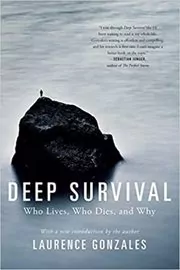
For readers who want to examine judgment and behavior under extreme stress. Gonzales uses narratives to explore the human side of survival, though the case-based discussion is less systematic than research alone and provides no substitute for practical skills.
What it's about
Laurence Gonzales combines survival narratives with science to examine how people respond to dangerous situations. He explores stress, risk assessment, and decision-making under pressure, considering why some responses support survival while others can worsen a crisis.
Also recommended by
5 people Laird Hamilton recommended this book
Laird Hamilton
"An incredible book." - Laird Hamilton
Laird Hamilton's recommendation of this book  Kelly Starrett recommended this book
Kelly Starrett
Kelly Starrett recommended this book in the "Tools of Titans" book.
Kelly Starrett's recommendation of this book  Joel McHale recommended this book
Joel McHale
"I read this book 13 years ago, and I still think about it almost every week." - Joel McHale
Joel McHale's recommendation of this book  Michael Mauboussin recommended this book
Michael Mauboussin
"An awesome book - and especially relevant in these times." - Michael Mauboussin
Michael Mauboussin's recommendation of this book  Patrick O'Shaughnessy recommended this book
Patrick O'Shaughnessy
"Incredible book." - Patrick O'Shaughnessy
Patrick O'Shaughnessy's recommendation of this book

For hikers who want a memorable introduction to the priorities of an unexpected outdoor emergency. Lundin gives preparation and decision-making a strong organizing theme, though the blunt humor and distinctive illustrations may not suit every reader.
What it's about
Cody Lundin approaches short-term outdoor survival through the importance of maintaining a safe body temperature. Humor, illustrations, and practical discussion explain preparation and the choices that matter when an ordinary outing becomes an unexpected emergency.
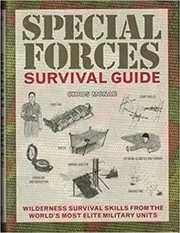
Special Forces Survival Guide
Wilderness Survival Skills from the World's Most Elite Military Units
For readers who want a military-oriented survey of wilderness techniques. McNab’s illustrated format makes different topics easy to locate, though the compact coverage gives limited room for local conditions or the supervised practice needed for difficult skills.
What it's about
Chris McNab presents wilderness survival techniques drawn from elite military training. Illustrated instructions cover building shelters, locating water, starting fires, tracking animals, making improvised equipment, and navigating, with an emphasis on managing unfamiliar terrain and limited resources.
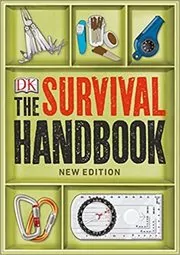
The Survival Handbook
For visual learners who want an organized overview of outdoor emergencies. Towell’s illustrations make the range of topics easy to browse, though the substantial coverage necessarily gives individual environments and specialist skills less depth.
What it's about
Colin Towell combines bushcraft and military survival methods in an illustrated guide to outdoor emergencies. Step-by-step instruction covers trip planning, shelter, fire, food, water, and rescue, with examples ranging from camping problems to extreme wilderness and sea situations.
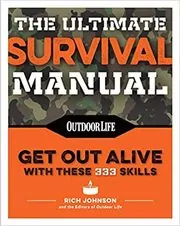
For readers who like browsing a large illustrated collection of scenarios and skills. Johnson offers more variety than a narrowly focused wilderness book, though the compressed entries and unusual situations can distract from systematic preparation for likely needs.
What it's about
Rich Johnson collects survival skills for wilderness emergencies and dangers closer to home. Illustrated guidance and real-life accounts address preparation, natural disasters, injuries, contamination, and household crises, combining basic techniques with more involved plans for disrupted services.
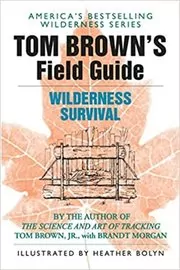
Tom Brown's Field Guide to Wilderness Survival
For readers who want an introduction to natural-material skills and a deeper familiarity with the outdoors. Brown gives bushcraft a strong personal perspective, though the older advice and practical techniques require verification, instruction, and repeated practice.
What it's about
This illustrated guide explains basic wilderness survival skills, including building shelters, finding water, making fire, and obtaining food. Tom Brown Jr. pairs instructions with information on edible plants and practical techniques for different outdoor environments.

For households that want preparedness considered beyond a short wilderness outing. Lundin connects practical planning with the psychological side of disrupted routines, though the extensive discussion and forceful style can make it less convenient as a quick checklist.
What it's about
Cody Lundin discusses household disaster preparedness, combining survival psychology with practical planning. The guide covers water, stored food, sanitation, first aid, alternative heating and lighting, and emergency supplies for the home, office, and car.
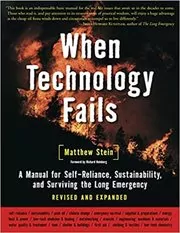
When Technology Fails
A Manual for Self-Reliance, Sustainability, and Surviving the Long Emergency
For readers who want household preparedness connected with a longer view of self-reliance. Stein combines emergency topics with energy and sustainable living, though the breadth and older technical and health-related material call for current specialist references.
What it's about
Matthew Stein links emergency preparedness with sustainable living, considering disruptions that may last days or years. His manual covers food, water, shelter, first aid, and energy, including renewable power systems and practical approaches to greater household self-reliance.
Your Survival
Protect Yourself from Tornadoes, Earthquakes, Flu Pandemics, and other Disasters
For families who want checklists that connect supplies, communication, and household planning. Arnot and Cohen make preparation approachable, though the older edition’s contacts, technology, and health-related material need checking against current guidance.
What it's about
Bob Arnot and Mark Cohen guide families through planning for natural disasters, pandemics, and other emergencies. Checklists address supplies, insurance, communication, and protecting the home, drawing on accounts from survivors and advice from disaster specialists.

For readers who want an irreverent comic take on an imagined apocalypse. Forrest Griffin and Erich Krauss make exaggerated scenarios the entertainment, though the jokes and intentional excess mean this is a poor substitute for a serious emergency manual.
What it's about
Forrest Griffin and Erich Krauss imagine life after civilization collapses in this irreverent comedy guide. Their exaggerated approach to apocalypse survival combines outrageous scenarios with the fighter’s blunt humor and a playful vision of a post-disaster world.
For readers who want to plan a portable emergency kit in detail. Stewart keeps the packing decisions and household differences central, though the specific products and the basic time-frame assumption need adapting to the reader’s situation.
What it's about
Creek Stewart explains how to assemble and use a portable emergency kit for 72 hours away from home. Checklists, photographs, and practice exercises cover supplies, packing choices, and adjustments for children, older adults, people with disabilities, and pets.
For beginners interested in deliberate backcountry skill-building with a manageable kit. Canterbury provides a clear entry into bushcraft, though learning to stay comfortably outdoors is not the same task as responding to every kind of emergency.
What it's about
Dave Canterbury introduces wilderness skills through essential equipment and ways to use natural resources. The guide covers selecting a kit, making tools, obtaining and preparing food, and protecting against the elements, with an emphasis on practical backcountry preparation.

For readers studying wild plants in eastern and central North America. Peterson’s illustrations and regional organization support comparison, though it is geographically limited and identification for eating requires more verification than matching a single picture.
What it's about
Lee Allen Peterson describes edible plants of eastern and central North America alongside poisonous species that resemble them. Drawings and photographs support identification, while habitat information, seasonal listings, and preparation notes explain the guide's approach to wild foods.
For readers who prefer a compact, illustrated military-style overview. Hawke covers several wilderness needs in one place, though the wide scope and compressed format provide less depth than dedicated navigation, medical, or regional references.
What it's about
Mykel Hawke presents illustrated outdoor survival strategies drawn from his Special Forces experience. The manual covers shelter, water, food, fire, tools, medicine, navigation, signaling, and the psychological demands of responding to an unexpected wilderness emergency.
For outdoor travelers who want a reference to accompany backcountry first-aid study. The organized checklists support reviewing common accident concerns, though an older medical manual needs current training and updated protocols alongside it.
What it's about
Jan Carline, Martha Lentz, and Steve MacDonald describe assessing injuries and illness in the backcountry. Illustrated procedures and quick-reference checklists cover problems including fractures, dislocations, and exposure, alongside guidance on preparing first-aid equipment for outdoor trips.
Northern Bushcraft
For readers who want sustained instruction suited to northern forests. Kochanski gives tools, materials, and woodland living more attention than broad disaster guides, though the regional focus and hands-on skills require practice and local adaptation.
What it's about
Mors Kochanski explains skills for prolonged stays in northern forests with limited equipment. His illustrated guide covers shelter construction, fire, and the use and maintenance of knives, axes, and saws, drawing on the materials available in the bush.
Outdoor Survival Skills
For readers interested in working with natural materials and limited purchased equipment. Olsen emphasizes the development of practical skills rather than assembling a large kit, though the approach asks for substantial experience and is not a quick emergency shortcut.
What it's about
Larry Dean Olsen introduces wilderness skills that rely on natural materials rather than extensive purchased equipment. Instructions and photographs cover shelter, fire, tools, water, and food, while personal anecdotes illustrate the attitudes and experience behind his approach.
Prepper's Long-Term Survival Guide
For readers who want to think beyond a brief interruption of household services. Cobb connects several areas of longer-term preparedness, though the broad scenarios and self-sufficiency focus leave detailed local planning to the reader.
What it's about
Jim Cobb examines preparation for disasters that interrupt normal services for months or years. His guide covers food storage and production, water collection, shelter, independent power, household security, and cooperation with others during a prolonged crisis.

For readers who want preparation and judgment explained through an experienced outdoorsman’s perspective. Stroud combines practical discussion with a questioning attitude toward familiar assumptions, though the general coverage still needs regional knowledge and practiced skills alongside it.
What it's about
Les Stroud draws on his wilderness experiences to explain preparation and decision-making in survival situations. Illustrated chapters address shelter, water, fire, food, and hazards, combining practical instruction with anecdotes and a questioning of familiar survival myths.
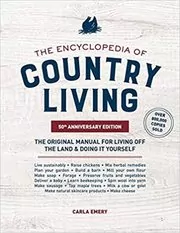
The Encyclopedia of Country Living
The Original Manual for Living off the Land & Doing It Yourself
For readers interested in ongoing rural self-reliance rather than only a short emergency. Emery’s range of household and agricultural topics makes it a substantial reference, though its size and varied material make it less convenient as a portable survival guide.
What it's about
Carla Emery brings together instructions for living from the land and managing a self-sufficient household. Her reference covers gardening, food preservation, cooking, livestock, beekeeping, and household crafts, with recipes and practical guidance for everyday country living.
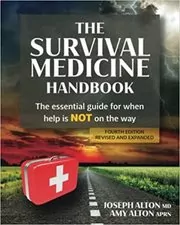
For readers studying household medical preparedness during disrupted access to care. Joseph and Amy Alton cover a wider range of concerns than a small first-aid guide, though the medical scope requires current professional instruction and should not be treated as independent clinical competence.
What it's about
Joseph and Amy Alton discuss medical preparedness for disasters that leave families without access to professional care. Their handbook addresses trauma, first aid, chronic conditions, and other health problems from the perspective of a household's designated caregiver.
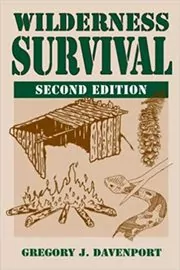
Wilderness Survival
For readers who want wilderness needs organized into a clear planning framework. Davenport’s structured approach makes priorities easier to study, though the general treatment cannot supply the local knowledge or practiced responses needed in a specific environment.
What it's about
Gregory Davenport organizes wilderness survival around protection, signaling, food and water, travel, and health. Explanations and illustrations help readers consider priorities, remain calm, and manage their needs while waiting for rescue in the backcountry.
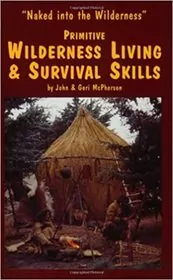
For readers committed to studying primitive crafts through detailed demonstrations. John and Geri McPherson provide more attention to making and using materials than general emergency overviews, though the specialized work demands sustained practice and is not immediately transferable to every setting.
What it's about
John and Geri McPherson demonstrate primitive wilderness skills through photographs and detailed instructions. Chapters cover fire and cordage, food preparation, hide tanning, pottery, tools, containers, and shelters, emphasizing practical work with materials found in nature.
Sources
- 1
The 15 Best Survival Books
gearmoose.com
- 2
13 Best Survival Books to Help You Prepare for When SHTF
thecoolist.com
- 3
The Best Survival Books
outdoorlife.com
- 4
Best Survival Books and Prepper Guides
theprepared.com
- 5
Wilderness Survival Books
goodreads.com
- 6
Is there a truly legit survival book or books out there?
reddit.com
- 7
Best Survival Books, Manual and Guides Of All Time
wellnesswarrior.org









Edited by
Software engineer whose passion for tracking book recommendations from podcasts inspired the creation of MRB.
Lead investor at 3one4 Capital whose startup expertise and love for books helped shape MRB and its growth.
Comments
Spotted a missing book, a wrong order or a mistake? Tell us and we'll fix this page.
We're a reading guide, not the author or publisher, so we can't send books or pass on messages.