
Margaret Atwood Books in Order
All Margaret Atwood books in order, with quick summaries, series guides for The Handmaid's Tale and MaddAddam, and simple where-to-start tips.
Last updated:
As an Amazon Associate, we earn from qualifying purchases (at no extra cost to you).
Margaret Atwood books in publication order
95 books
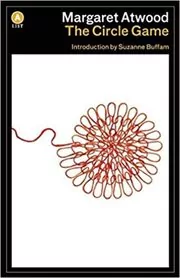
The Circle Game
by Margaret Atwood
1964
An early poetry collection that moves between nature, myth, and social masks. These poems watch power at close range, in love, in language, and in the body, with a sharp eye for what people pretend not to see.

The Animals in That Country
by Margaret Atwood
1968
A poetry collection that looks at animals, landscapes, and human appetite as parts of the same system. Atwood's poems shift between curiosity and menace, asking what we take from the world, and what the world takes back.
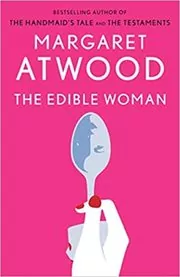
The Edible Woman
by Margaret Atwood
1969
Marian MacAlpin seems to be doing everything right until her engagement sparks a strange revolt: she can no longer eat. As her body says no, the novel turns consumer culture and gender expectations into a dark, funny satire.
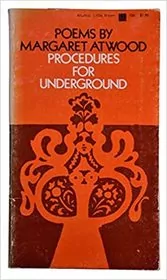
Procedures For Underground
by Margaret Atwood
1970
A lean, early collection of poems that slips between city life and the natural world. Atwood explores what lies under ordinary surfaces, fear, desire, and the hard-to-name forces that shape how we see.
The Journals of Susanna Moodie
by Margaret Atwood
1970
A sequence of poems spoken through the imagined voice of Susanna Moodie, a 19th-century settler and writer. The book traces arrival, disorientation, and the uneasy negotiation between wilderness, history, and identity.
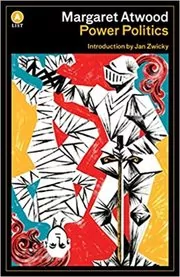
Power Politics
by Margaret Atwood
1971
A poetry sequence that treats romance as a contest of leverage and vulnerability. These poems are direct and sharp, tracing how love can become negotiation, performance, and sometimes open conflict.
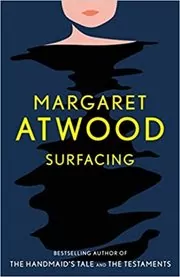
Surfacing
by Margaret Atwood
1972
When her father disappears, a young woman returns to an isolated Quebec island with friends and a lover. The search pulls her into memory and hallucination, and the wilderness forces a brutal reckoning with identity and guilt.
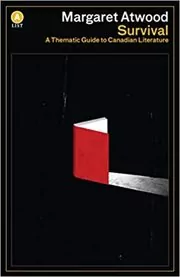
Survival
by Margaret Atwood
1972
In this influential work of literary criticism, Atwood argues that survival is a key pattern in Canadian writing. Blending close reading with cultural history, she offers a provocative guide to stories shaped by harsh landscapes and power.
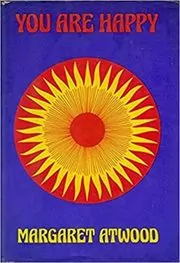
You Are Happy
by Margaret Atwood
1974
A poetry collection that blends intimacy with the wild, including myth-inflected sequences and spare, searching lyrics. Atwood writes about love and betrayal, joy and threat, as feelings that can exist side by side.
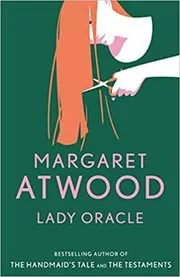
Lady Oracle
by Margaret Atwood
1976
Joan Foster lives multiple lives: secret poet, writer of Gothic romances, and master of reinvention. When blackmail and scandal close in, she tries to rewrite her own plot, with comic detours, impostures, and ghosts of the past.
Selected Poems
by Margaret Atwood
1976
A wide-ranging selection of Atwood's poems, chosen from across her early work. It highlights her recurring obsessions, nature, myth, gender, and power, in poems that can be funny, bleak, and startlingly direct.
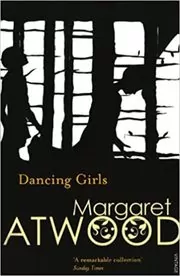
Dancing Girls and Other Stories
by Margaret Atwood
1977
Stories about women negotiating power in everyday scenes, apartments, offices, hotels, friendships. Atwood turns small moments into pressure points, mixing dry humor with sudden unease and moral bite.
Days of the Rebels
by Margaret Atwood
1977
An illustrated history volume about Canada between 1815 and 1840, when reform movements and rebellions challenged the old order. Atwood's narrative works alongside archival images to make political conflict feel immediate and human.
Two-Headed Poems
by Margaret Atwood
1978
A poetry collection preoccupied with doubles, split selves, and competing stories. The poems move between intimacy and argument, observing how people can be two things at once, tender and cruel, certain and lost.
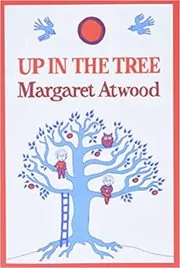
Up in the Tree
by Margaret Atwood
1978
A playful picture book about children, a tree, and the scramble that follows when someone wants in. With simple language and whimsical drawings, it captures the drama of small rivalries and quick alliances.
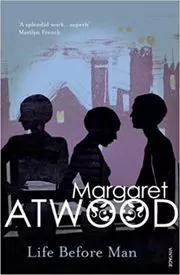
Life Before Man
by Margaret Atwood
1979
Set in Toronto, this novel follows three adults caught in shifting relationships, grief, and self-invention. Against a backdrop of museums and city routines, Atwood dissects how people narrate their lives to survive betrayal and loss.
Anna's Pet
by Margaret Atwood
1980
A gentle children's story about a girl named Anna and the responsibilities that come with caring for an animal. Simple scenes and clear emotions turn everyday problems into a lesson about patience and kindness.
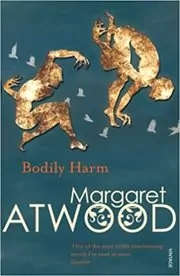
Bodily Harm
by Margaret Atwood
1981
Rennie, a journalist recovering from illness, travels to a Caribbean island hoping for distance and clarity. Instead she is pulled into local unrest and danger, forcing her to confront fear, complicity, and what courage costs.
True Stories
by Margaret Atwood
1981
Poems that stare straight at politics, violence, and the stories people tell to live with them. Atwood blends stark imagery with irony and tenderness, turning private moments into witnesses for the public world.
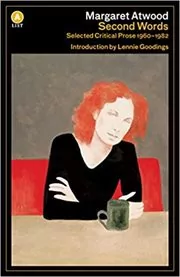
Second Words
by Margaret Atwood
1982
A sharp collection of essays and criticism that ranges across literature, politics, and culture. Atwood writes as a curious, skeptical reader, interested in how stories shape identity, and how power hides in plain sight.
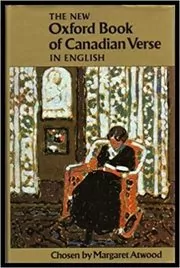
The New Oxford Book of Canadian Verse in English
by Margaret Atwood
1982
An anthology of Canadian poetry in English edited by Margaret Atwood. It brings together voices across eras and regions, offering a curated map of themes, styles, and the changing language of a country.
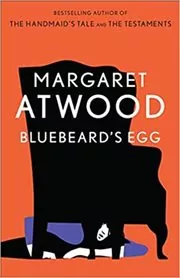
Bluebeard's Egg
by Margaret Atwood
1983
Stories about modern relationships, self-deception, and the gaps between how people act and what they mean. Atwood mixes realism with fairy-tale shadows, letting ordinary marriages and friendships turn unsettling.
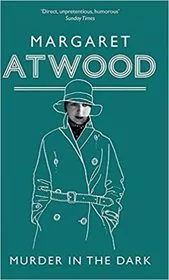
Murder in the Dark
by Margaret Atwood
1983
A collection of short, experimental pieces, fables, and prose-poems that twist everyday life into something stranger. Atwood plays with myth, murder, and sudden reversals, creating miniature stories that land like jokes with teeth.
Interlunar
by Margaret Atwood
1984
A poetry collection that shifts between the intimate and the political, lit by lunar imagery. These poems explore darkness, memory, and transformation, with Atwood's knack for making simple scenes feel charged.
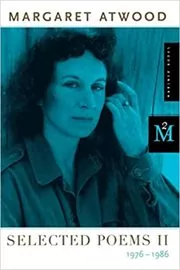
Selected Poems II
by Margaret Atwood
1986
A second volume of selected poems that extends the view into later decades of Atwood's work. It gathers poems that move between the domestic and the mythic, with a clear eye for power, aging, and the natural world.
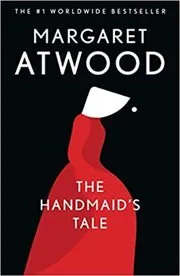
The Handmaid's Tale
by Margaret Atwood
1986
In the theocratic Republic of Gilead, Offred is forced into servitude as a Handmaid, valued only for her fertility. Under constant surveillance, she clings to memories of her old life and tests the limits of quiet resistance.
Recommended by
3 people Emma Watson recommended this book
Emma Watson
On the "books read" section of Emma Watson's GoodReads profile.
Emma Watson's recommendation of this book  Daniel Pink recommended this book
Daniel Pink
"I loved [this book]." - Daniel Pink
Daniel Pink's recommendation of this book  Jenn Im recommended this book
Jenn Im
"I'll like you five times more if you have read this book." - Jenn Im
Jenn Im's recommendation of this book
The Canlit Foodbook
by Margaret Atwood
1987
A literary food anthology associated with Canadian writing, mixing recipes, excerpts, and playful reflections on eating. Edited by Margaret Atwood, it treats the kitchen as a place where culture, memory, and storytelling meet.
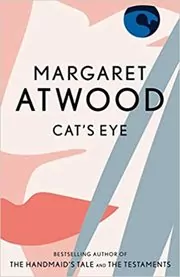
Cat's Eye
by Margaret Atwood
1988
Artist Elaine Risley returns to Toronto for a retrospective and is flooded with memories of childhood. As she revisits a friendship that turned into cruelty, the novel traces how bullying, art, and identity echo across decades.
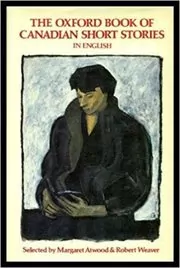
The Oxford Book of Canadian Short Stories in English
by Margaret Atwood
1988
An anthology of Canadian short fiction in English edited by Margaret Atwood. The selection showcases different regions and styles, offering a snapshot of what Canadian storytelling can sound like at its best.
The Best American Short Stories, 1989
by Margaret Atwood
1989
A yearly anthology gathering standout American short stories from magazines, selected for the 1989 volume. With Margaret Atwood as guest editor, it offers a varied mix of voices and styles, plus an editor's introduction.
For the Birds
by Margaret Atwood
1990
A family-friendly introduction to birds that mixes clear facts with a sense of wonder. The book looks at how birds live, migrate, and adapt, inviting young readers to notice feathers, songs, and habitats in daily life.
Margaret Atwood Conversations
by Margaret Atwood
1990
A collection of interviews and conversations that follows Atwood across decades of work. She discusses her novels and poems, politics and feminism, and the everyday habits and ideas that shape a writing life.
Wilderness Tips
by Margaret Atwood
1991
Stories that probe desire, betrayal, and the quiet violence of memory. Atwood sets sharp moral puzzles in ordinary lives, where a single decision can tilt a friendship, a marriage, or a whole sense of self.
Good Bones
by Margaret Atwood
1992
Brief fables, micro-stories, and retellings that twist myths and modern life into fresh shapes. Atwood's pieces are witty and sharp, often turning a familiar tale inside out to expose its hidden logic.
The Robber Bride
by Margaret Atwood
1993
Three women, each with her own history, are repeatedly haunted by Zenia, a brilliant, unreliable presence who steals men and reshapes narratives. This novel is a darkly funny study of friendship, rivalry, and the stories people need.
Bones & Murder
by Margaret Atwood
1994
A small collection of short, sharp pieces that twist familiar stories into unsettling, witty new forms. Atwood mixes fable, satire, and dark comedy, showing how quickly the ordinary can turn strange.
First Fiction: An Anthology of the First Published Stories by Famous Writers
by Kathy Kiernan, Margaret Atwood & Philip Roth
1994
An anthology gathering the first professionally published stories of 41 prominent American, British, and Canadian writers. Edited by Kathy Kiernan and Michael M. Moore, it pairs the selections with biographical notes that trace how each author reached publication.
Polarities. Selected Stories
by Margaret Atwood
1994
A compact selection of Atwood short stories that highlights her range, from chilly realism to darkly funny myth riffs. These pieces focus on power, desire, and the small choices that can change a life in a single scene.
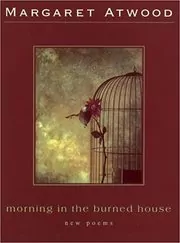
Morning in the Burned House
by Margaret Atwood
1995
Poems that move through memory, family, loss, and ordinary domestic scenes, with the aftertaste of fire and ruin. Atwood balances plain speech with eerie turns, finding the uncanny inside the everyday.
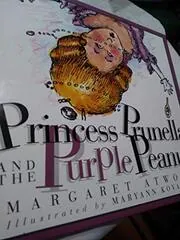
Princess Prunella and the Purple Peanut
by Margaret Atwood
1995
A rhyming picture book about Princess Prunella, a picky eater with very specific demands. A mysterious purple peanut upends her routine, turning snack time into a goofy lesson about stubbornness and surprise.
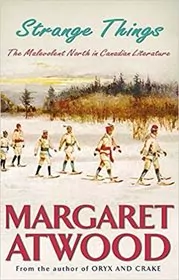
Strange Things
by Margaret Atwood
1995
A nonfiction collection focused on Canadian literature and the idea of the North as a powerful, sometimes threatening presence. Atwood blends close reading with cultural mythmaking, showing how place can shape stories and fears.
The New Oxford Book of Canadian Short Stories
by Margaret Atwood
1995
A revised anthology of Canadian short fiction, edited by Margaret Atwood, that broadens and updates the selection. It is a practical way to sample major writers and styles in one place, with a strong editor's eye.
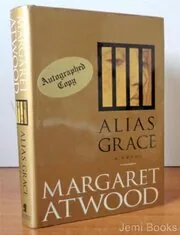
Alias Grace
by Margaret Atwood
1996
Based on a real Canadian murder case, this novel follows Grace Marks, a young servant accused of killing her employer and his housekeeper. As a doctor interviews her, the story probes memory, class, and the slippery line between truth and performance.
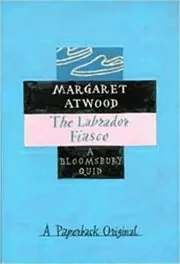
The Labrador Fiasco
by Margaret Atwood
1996
A poetic retelling of an early 20th-century Labrador expedition that went disastrously wrong. Using shifting voices and documentary echoes, Atwood explores ambition, endurance, and how tales of exploration get written and remembered.
Two Solicitudes
by Margaret Atwood
1996
A book-length conversation between Margaret Atwood and Victor-Lévy Beaulieu. Moving between literature and politics, it digs into Canadian identity, language, and what writers owe to place and history.
Eating Fire
by Margaret Atwood
1998
A selected-poems volume spanning three decades of Atwood's work. It gathers sharp, memorable pieces about politics, desire, myth, and the natural world, giving a fast way into her poetic range.
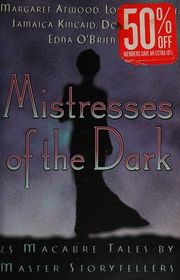
Mistresses of the Dark
by Stefan R. Dziemianowicz, Margaret Atwood & Louise Erdrich
1998
This anthology assembles twenty-five macabre tales by women writers, crossing horror and darkly unsettling literary fiction. The selections include Louise Erdrich’s “Fleur” alongside work by Margaret Atwood, Angela Carter, Daphne du Maurier, and other authors.
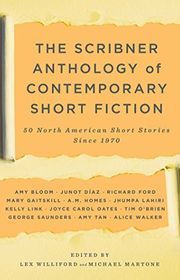
The Scribner Anthology of Contemporary Short Fiction
by Michael Martone, Lex Williford, Margaret Atwood, Williford, Amy Tan & Louise Erdrich
1999
Edited by Lex Williford and Michael Martone, this anthology presents fifty North American short stories written since 1970. Drawn from recommendations by more than five hundred professors, fiction writers, and novelists, the selections emphasize stylistic and cultural breadth.
The Blind Assassin
by Margaret Atwood
2000
Iris Chase tells the story of her wealthy family and the sister she could never save, while a scandalous pulp novel unfolds inside her memoir. Layered narratives, love, and betrayal converge into a portrait of power and regret.
Story of a Nation
by Margaret Atwood
2001
An anthology of original stories that reimagine defining moments in Canadian history. With contributions from multiple writers, including Margaret Atwood, it uses fiction to question national myths and spotlight overlooked voices.
Negotiating with the Dead
by Margaret Atwood
2002
A set of essays and lectures about what it means to write and to read, and how artists bargain with time. Atwood ranges from practical craft to myth and folklore, always interested in why stories survive.
Oryx and Crake
by Margaret Atwood
2003
After a engineered plague, Snowman lives among the ruins, caring for the gentle Crakers and haunted by the past. His memories of Crake and Oryx reveal how love, science, and greed helped end the world.
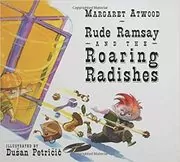
Rude Ramsay and the Roaring Radishes
by Margaret Atwood
2003
A comic, rhyming picture book about Ramsay, a rude boy who bullies everyone in sight. When his Roaring Radishes finally push back, he learns that being loud and mean is not the same as being strong.
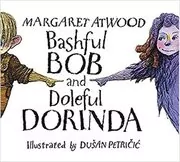
Bashful Bob and Doleful Dorinda
by Margaret Atwood
2004
A rhyming picture book about two extremely polite, shy characters who keep getting stuck saying "after you." Their courtship becomes a comedy of hesitation, until they finally risk being direct and honest.
Bottle
by Margaret Atwood
2004
A small-press collection of nine short stories that show Atwood in miniature. These pieces blend sharp observation with fable-like turns, moving quickly from the everyday into the uncanny.
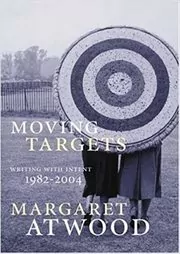
Moving Targets
by Margaret Atwood
2004
A collection of nonfiction pieces and commentary that shows Atwood thinking in public. These essays range across books, politics, and culture, with a reader's curiosity and a writer's precision about language and power.
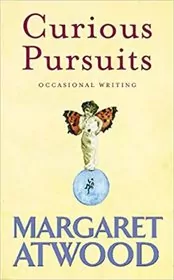
Curious Pursuits
by Margaret Atwood
2005
A gathering of occasional writing, essays, reviews, and talks that shows Atwood's curiosity at full range. Literature, politics, science, and daily life all appear here, tied together by her plainspoken wit and sharp questions.
The Penelopiad
by Margaret Atwood
2005
Penelope, long stuck as a footnote in the Odyssey, finally tells her version of the story. With a chorus of the hanged maids, this witty retelling questions heroism, marriage, and what gets erased when legends are made.
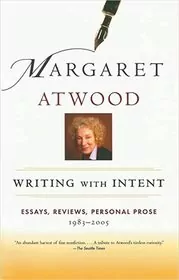
Writing with Intent
by Margaret Atwood
2005
A wide-ranging collection of essays, reviews, and occasional writing that spans decades. Atwood covers literature, politics, science, and the environment, tying it together with a brisk, skeptical voice and sharp humor.
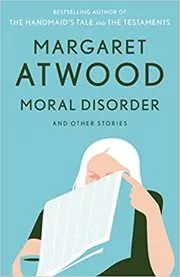
Moral Disorder and Other Stories
by Margaret Atwood
2006
A linked set of stories that follows a couple through shifts in work, weather, love, and aging. Small domestic moments, a farm, a trip, a sudden emergency, become the stage for moral tests and quiet heartbreak.
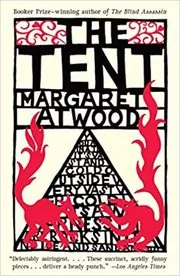
The Tent
by Margaret Atwood
2006
Short, surreal pieces, fables, and sketches that hover between dream and satire, often accompanied by the author's own drawings. The Tent turns modern anxieties into compact scenes that can be funny, eerie, or quietly brutal.
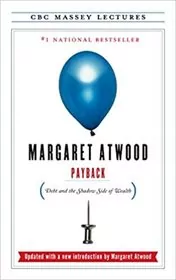
Payback
by Margaret Atwood
2007
Based on a series of lectures, this nonfiction book explores the idea of debt in money, morality, and the natural world. Atwood moves from myth and fairy tale to economics and punishment, asking what we think must be paid back.
The Door
by Margaret Atwood
2007
A late-career poetry collection that looks straight at time, grief, and the ordinary mysteries of living. Atwood's poems move between wry observation and sudden tenderness, finding doors in places that seem closed.
Glances at Germany, Poland, and the Euxine
by Margaret Atwood
2009
A reproduced historical travel narrative credited to Margaret Eleanor Atwood, following journeys through Germany, Poland, and the Black Sea region. Written in a period voice, it offers observations on places, people, and politics along the route.
The Year of the Flood
by Margaret Atwood
2009
In the same broken world as Oryx and Crake, Toby and Ren try to outlast a devastating pandemic. Linked to the eco-minded God's Gardeners, they navigate violence, scarcity, and the hard work of staying human as society collapses.
In Other Worlds
by Margaret Atwood
2011
A set of essays and talks about science fiction and fantasy, and why those genres matter. Atwood discusses how imagined worlds reflect real fears and desires, mixing literary criticism with personal reading history.
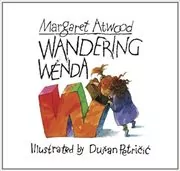
Wandering Wenda and Widow Wallop's Wunderground Washery
by Margaret Atwood
2011
Wenda wanders into Widow Wallop's underground laundry, where lost children are put to work. Told in bouncy rhyme, this picture book turns chores into an adventure as Wenda plots an escape and outsmarts the Washery's rules.
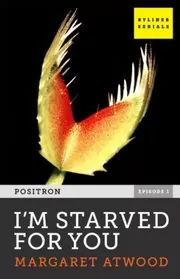
I’m Starved for You
by Margaret Atwood
2012
In a near-future economic crash, Stan and Charmaine consider joining the Consilience project, which promises safety at a steep price. This short installment sets up the seductive deal and the private worries behind it.
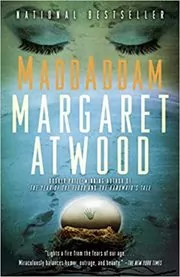
MaddAddam
by Margaret Atwood
2013
After the plague, a small band of survivors and the bioengineered Crakers struggle to build a workable community. Old experiments still stalk the landscape, and every choice, about trust, science, and story, can reshape what comes next.
Recommended by
1 person Anna Akana recommended this book
Anna Akana
Anna Akana recommended this book on Twitter.
Anna Akana's recommendation of this book

Moral Disorder
by Margaret Atwood
2014
A linked set of stories focused on a relationship tested by work, weather, and sudden disruptions. With a calm, precise voice, Atwood shows how domestic life, a farm, a trip, an illness, can become its own kind of moral drama.
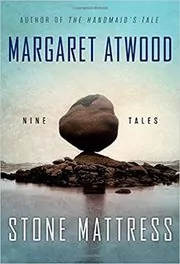
Stone Mattress
by Margaret Atwood
2014
Nine stories that mix dark humor with sharp emotional realism, many of them about aging, revenge, and the stories people tell themselves. From an Arctic cruise to domestic unease, Atwood keeps the surprises coming without warning.
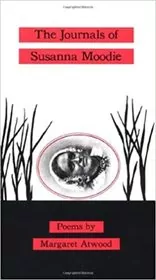
The Illustrated Journals of Susanna Moodie
by Margaret Atwood
2014
An illustrated edition of Atwood's poetic sequence spoken through the imagined voice of Susanna Moodie. The poems track arrival and dislocation in early Canada, while the artwork adds another layer to the book's shifting perspective.
Dire Cartographies
by Margaret Atwood
2015
A short nonfiction piece in which Atwood maps the thin line between utopia and dystopia. She reflects on "ustopia" and on how imagined societies, including her own, borrow from real history and present-day fears.
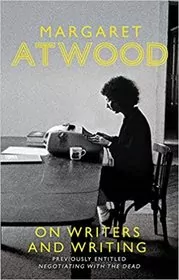
On Writers & Writing
by Margaret Atwood
2015
A compact selection of Atwood's writing advice and reflections on the craft. These essays consider where stories come from, how writers work, and why language and imagination matter, in a voice that is practical and funny.
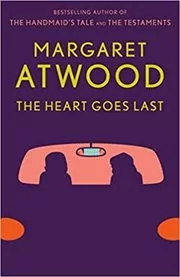
The Heart Goes Last
by Margaret Atwood
2015
Stan and Charmaine sign up for Consilience, a program that trades freedom for security by making residents alternate months as prisoners. The bargain starts to rot from the inside, and their marriage becomes tangled in surveillance, desire, and moral compromise.

Angel Catbird, Volume 1
by Margaret Atwood
2016
Genetic engineer Strig Feleedus survives a lab accident and becomes a strange cat-and-bird hybrid. As he adjusts to new senses and new instincts, he is pulled into a pun-filled battle with rat villains and unlikely allies.
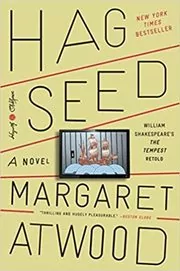
Hag-Seed
by Margaret Atwood
2016
Felix, a theatre director pushed out of his job, plots a careful revenge by staging The Tempest inside a prison. As rehearsals blur art and life, the novel asks what it means to forgive, and what it means to let go.
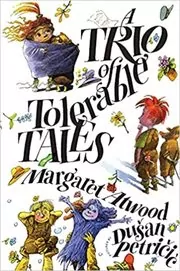
A Trio of Tolerable Tales
by Margaret Atwood
2017
Three of Atwood's rhyming children's stories in one volume. With Rude Ramsay, Bashful Bob, and Wandering Wenda, it delivers silly wordplay, oddball villains, and gentle moral reversals that never feel preachy.
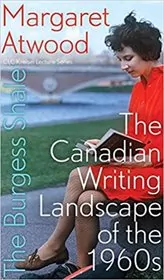
The Burgess Shale
by Margaret Atwood
2017
A nonfiction lecture that looks back at the surge of Canadian writing in the 1960s, using the Burgess Shale as a metaphor for sudden abundance. Atwood connects literary community, publishing, and national identity in plain language.

The Catbird Roars
by Margaret Atwood
2017
In the final Angel Catbird volume, the rat army pushes its plan for domination, and Angel Catbird ends up in serious trouble. His friends race to rescue him and stop Professor Muroid before the city becomes a rodent kingdom.

To Castle Catula
by Margaret Atwood
2017
Angel Catbird and his half-cat crew head to Castle Catula to seek allies as the conflict between cats and rats escalates. Adventure, jokes, and odd science collide as they face new traps and shifting loyalties.
Freedom
by Margaret Atwood
2018
A slim collection of Atwood pieces centered on the idea of freedom, from imagined dystopias to sharp moral choices. It is a quick, varied read that asks what we trade, what we keep, and what freedom really costs.
Gained Ground: Perspectives on Canadian and Comparative North American Studies
by Margaret Atwood
2018
A scholarly collection on Canadian and comparative North American studies, with essays that range across literature, culture, and critical theory. It includes academic readings of writers such as Margaret Atwood alongside wider discussions of the field.
The Bad News
by Margaret Atwood
2018
An aging couple starts the day with disturbing news from the wider world, and the shock lands in the middle of their ordinary breakfast routine. This short story turns private tenderness and irritation into a lens on public tragedy.

The Handmaid's Tale: The Graphic Novel
by Margaret Atwood
2019
A fully illustrated adaptation of The Handmaid's Tale that follows Offred through the Republic of Gilead. The graphic format makes the novel's rituals, rules, and quiet acts of defiance feel immediate, without changing the core story.
The Testaments
by Margaret Atwood
2019
Set years after The Handmaid's Tale, this sequel uses multiple narrators, including Aunt Lydia and two young women shaped by Gilead in different ways. Secrets surface as cracks spread through the regime and its propaganda.
Recommended by
1 person Jia Tolentino recommended this book
Jia Tolentino
"May surprise readers who wondered, when the sequel was announced, whether [the author] was making a mistake in returning to her earlier work." - Jia Tolentino
Jia Tolentino's recommendation of this book
War Bears
by Margaret Atwood
2019
In WWII-era Toronto, a young artist joins a comic-book studio and creates a Nazi-fighting bear heroine to boost morale. The graphic novel tracks how war, family pressure, and propaganda shape his art, and his mental health.
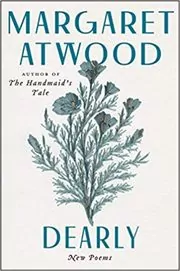
Dearly
by Margaret Atwood
2020
A poetry collection that reflects on love, grief, aging, and the strangeness of ordinary days. Atwood writes with wit and candor, moving from tender elegies to quick, unsettling observations.
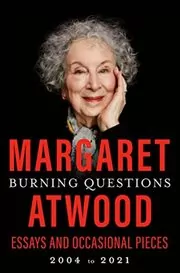
Burning Questions
by Margaret Atwood
2022
A wide-ranging essay collection that pulls together Atwood on writing, politics, climate change, and the everyday absurdities of modern life. Curious and direct, it shows how her mind moves from a headline to a myth to a line of dialogue.
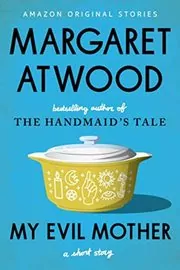
My Evil Mother
by Margaret Atwood
2022
A grown daughter looks back on a childhood spent fearing her mother might be a witch, or something close to it. Part family story, part fairy-tale unease, this short fiction explores love, power, and the stories kids tell themselves.

Old Babes in the Wood
by Margaret Atwood
2023
A story collection that looks at aging, marriage, and what love turns into over decades. Atwood blends dark humor with tenderness, letting grief, desire, and memory brush up against the strange and the uncanny.

Cut and Thirst
by Margaret Atwood
2024
Three retired professors find their quiet routine disturbed when a friend goes missing, and they decide to investigate for themselves. Part mystery, part portrait of friendship and aging, this short story follows stubborn curiosity into danger.
Fourteen Days
by Margaret Atwood, Douglas Preston, Celeste Ng, John Grisham, Meg Wolitzer & Louise Erdrich
2024
During the first weeks of COVID lockdown, tenants in a rundown Lower East Side building gather on the roof and tell stories night after night. This collaborative novel turns isolation into connection, with Celeste Ng among its many contributors.

Paper Boat: New and Selected Poems, 1961-2023
by Margaret Atwood
2024
A sweeping collection of poems from 1961 to 2023, mixing new work with selections from across Atwood's career. It is a powerful way to see her voice change over time while the obsessions, nature, power, myth, remain.

Book of Lives
by Margaret Atwood
2025
A memoir of sorts that weaves Atwood's personal history with reflections on writing, politics, and the people who shaped her. Moving between family, work, and public life, it reads like a series of vivid, honest snapshots.
Where to start with Margaret Atwood
If you want dystopian control and resistance: The Handmaid's Tale → The Testaments
If you want post-apocalyptic biotech satire: Oryx and Crake → The Year of the Flood → MaddAddam
If you prefer historical crime and psychology: Alias Grace
If you like intricate, layered storytelling: The Blind Assassin
If you want sharp, personal realism: Cat's Eye → Surfacing
Margaret Atwood sub-series and character series
The Handmaid's Tale books in order
Explore this seriesThe Handmaid's Tale books in chronological order
Margaret Atwood collections, short stories, and related book types
Short Stories/Novellas
Collections
Non-Fiction
Picture Books
Graphic Novels
Standalone Margaret Atwood books
First Fiction: An Anthology of the First Published Stories by Famous Writers
by Kathy Kiernan, Margaret Atwood & Philip Roth
1994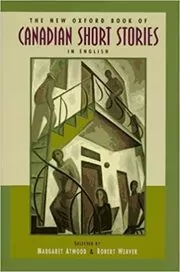
The Scribner Anthology of Contemporary Short Fiction
by Michael Martone, Lex Williford, Margaret Atwood, Williford, Amy Tan & Louise Erdrich
1999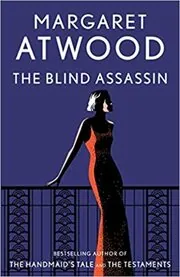


Gained Ground: Perspectives on Canadian and Comparative North American Studies
by Margaret Atwood
2018
by Margaret Atwood, Douglas Preston, Celeste Ng, John Grisham, Meg Wolitzer & Louise Erdrich
2024
Author bio
Margaret Atwood was born on November 18, 1939, in Ottawa, Ontario. Because her father worked as a forest entomologist, her childhood was not spent in just one neighborhood. She grew up moving between Ottawa, Toronto, and stretches of northern Quebec and Ontario, with long periods in the woods that later show up in her attention to weather, animals, and survival.
By her mid-teens, she had decided she wanted to write.
She studied at Victoria College at the University of Toronto, earning her BA in 1961, and she went on to graduate work at Radcliffe College, where she received an MA in 1962. She started publishing poems while she was still young, and poetry never became a side project for her, even after the novels began to take over the conversation.
That range is part of the point. Atwood moves easily between novels, short stories, nonfiction, children's books, and graphic novels, often switching forms when a different angle feels more useful. Her early poetry collection The Circle Game helped establish her reputation, and her first novel, The Edible Woman, arrived soon after with a sharp, funny look at what it can feel like to be turned into someone else's idea of a "good" life.
A lot of readers meet her through The Handmaid's Tale, the dystopian novel that imagines the theocratic Republic of Gilead and the life of a Handmaid inside it. Decades later, she returned to that world with The Testaments, a sequel that widens the view and digs into how regimes keep themselves going, and how they start to fracture. Atwood has often described this kind of work as speculative fiction, meaning the building blocks are drawn from real history and present-day behavior, not from fantasies about spaceships or far-future miracles.
Her other novels are just as varied. Alias Grace builds a story around a real 19th-century Canadian criminal case. The Blind Assassin layers family history, memory, and a book-within-a-book structure, and it won the Booker Prize. And the MaddAddam trilogy, Oryx and Crake, The Year of the Flood, and MaddAddam, takes on corporate science, climate anxiety, and what is left after a man-made collapse.
She has always kept one foot in the real world.
Alongside fiction, Atwood has written essays and lectures about writing, politics, and the ways money and power shape daily life, including books like Payback and Burning Questions. She is also an inventor, best known for helping develop the LongPen, a remote signing technology, and for co-founding the company behind it. She has been involved in Canadian literary life for decades, including helping to found the Writers' Trust of Canada and the Griffin Poetry Prize.
Atwood has lived in Toronto for many years, and she has long had a summer home on Pelee Island in Lake Erie. She was married to Jim Polk in the late 1960s and they had one daughter, Jess. From the 1970s until his death in 2019, her partner was writer Graeme Gibson. Even now, after a career that stretches back to the early 1960s, she keeps publishing, from the story collection Old Babes in the Wood to the poetry gathering Paper Boat and her memoir, Book of Lives.


Edited by
Software engineer whose passion for tracking book recommendations from podcasts inspired the creation of MRB.
Lead investor at 3one4 Capital whose startup expertise and love for books helped shape MRB and its growth.
Comments
Did we miss something? Have feedback?
Help us improve this page by sharing your thoughts