
18 Best Linux Books
The best Linux books, ranked by how many expert sources recommend each one, with notes on who each suits, from new users to administrators and programmers.
Our take
Linux books serve several different jobs. A beginner needs enough context to move around files, run commands and understand permissions. An administrator needs to configure services and diagnose failures. A programmer may need to understand processes, memory and the interfaces applications use to ask the operating system for help. Those are related skills, but they call for different starting points.
The Linux Command Line develops practical terminal habits, while Linux Pocket Guide is designed for quick reminders. How Linux Works explains the mechanisms behind system behavior. For administration, UNIX and Linux System Administration Handbook provides a wide reference, and Linux Cookbook offers solutions organized by task. The Linux Programming Interface and Linux System Programming address programmers directly. Several editions here describe older distributions or kernels, so pair their explanations with information for the software you actually run.
Start with The Linux Command Line if the terminal is unfamiliar, then move to How Linux Works when you want to understand what happens underneath.
18 books · 9 sources · Last updated
As an Amazon Associate, we earn from qualifying purchases (at no extra cost to you).
How to choose from this list
Skip to the full rankingIf you're new to the terminal: The Linux Command Line → How Linux Works
If you want faster everyday shell work: Command Line Kung Fu → Efficient Linux at the Command Line
If you need a compact command reference: Linux Pocket Guide
If you're maintaining systems: Linux Cookbook → UNIX and Linux System Administration Handbook
If you're writing C applications: Linux System Programming → The Linux Programming Interface
If you work with cloud-oriented deployments: Learning Modern Linux
The 18 books, ranked
Ranked by how many expert sources name each book. Ties go to the book more people recommend.

For users who can operate Linux but want to understand the mechanisms behind everyday commands. Its explanations connect system layers more clearly than a command reference, though it is not a complete first course in terminal use.
What it's about
Brian Ward explains the inner workings of Linux by connecting background concepts with practical examples. This third edition explores the layers behind everyday system use, helping readers understand why administrative techniques work and how the operating system's parts fit together.

For beginners who want terminal skills developed through explanation and exercises rather than a command list. Its progression connects files, pipelines and scripting into a working toolkit, though experienced users may need to skip familiar early material.
What it's about
William Shotts introduces the Linux terminal, progressing from basic commands to Bash programs. Exercises cover files, directories, pipelines, text editing, system administration, and shell scripts, showing how command line tools can automate everyday tasks.

UNIX and Linux System Administration Handbook
For administrators responsible for real systems who want a reference covering both technology and operational judgment. Its breadth connects Linux with wider UNIX practice, but the size and older examples make selective reading more practical than starting at page one.
What it's about
Evi Nemeth and her coauthors guide readers through installing, configuring, and maintaining UNIX and Linux systems. The handbook addresses storage, networking, security, automation, performance, virtualization, and cloud deployments, alongside the responsibilities of system administrators.

For C programmers who need a detailed guide to system calls, processes, signals and other operating-system interfaces. Its examples and exercises provide more depth than administration books, but the large reference assumes programming knowledge and requires substantial study.
What it's about
Michael Kerrisk explains Linux and UNIX system programming through system calls, library functions, and complete example programs. Topics include files, processes, signals, clocks, secure programming, and threads, with exercises connecting the interfaces to practical programming problems.
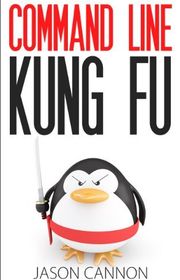
Command Line Kung Fu
For users who want short, practical command-line patterns they can try immediately. Its examples make a convenient companion to daily shell work, but the tips format is less systematic than learning through a full introductory textbook.
What it's about
Jason Cannon collects shell tips, one-liners and scripting patterns for common Linux tasks. Each example explains how commands work together, helping readers manipulate files and text, automate repeated actions and build a more flexible command-line toolkit.

Linux Bible
For learners who want a broad course linking everyday use with administration tasks. Its exercises give the material practical structure, but this edition’s distribution versions are old and many configuration details need comparison with your current system.
What it's about
Christopher Negus develops Linux skills through practical explanations and exercises for beginners and experienced users. The tenth edition uses Red Hat Enterprise Linux 8, Fedora 30, and Ubuntu 18.04 LTS to connect operating system concepts with hands-on work.

Linux Command Line and Shell Scripting Bible
For users who want to turn routine terminal work into repeatable shell programs. Its combination of command-line foundations and scripting supports practical automation, but it overlaps with introductory material if you already use the shell confidently.
What it's about
Richard Blum and Christine Bresnahan explain Linux command-line tools and shell scripting, progressing from basic commands to more advanced automation. Examples and usable scripts show how to combine shell features and system utilities to carry out recurring administration tasks.

For newcomers who want a short, plain-language route into the operating system and shell. Cannon keeps the initial learning curve gentle, but the compact introduction offers less depth and practice than the larger command-line and administration texts.
What it's about
Jason Cannon introduces Linux and its command line for readers with no prior knowledge. Plain-language explanations develop concepts and commands as they arise, providing a starting point for understanding the operating system and becoming comfortable carrying out tasks in a shell.
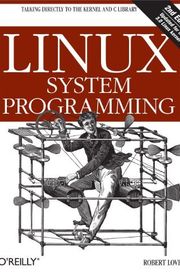
Linux System Programming
For C programmers who want a focused explanation of the kernel and library services their applications use. Its tutorial approach complements a larger interface reference, but it assumes programming fluency and does not teach system administration.
What it's about
Robert Love explains how applications use Linux kernel services and the C library. The book distinguishes portable interfaces from Linux-specific features and develops examples involving files, processes, memory and threads, connecting system behavior with practical programming decisions.
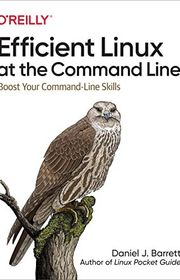
Efficient Linux at the Command Line
For regular terminal users who want to combine familiar commands into more effective workflows. Its emphasis on fluency fills the gap between beginner tutorials and terse references, but it assumes you already know the basic command-line environment.
What it's about
Daniel J. Barrett teaches ways to work more effectively at the Linux command line. Examples connect familiar commands into larger workflows, covering pipelines, text processing, command history and other techniques for reducing repeated manual work.
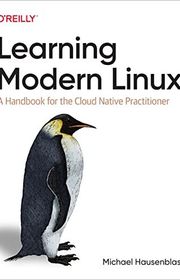
Learning Modern Linux
For developers and operations practitioners who want Linux explained through contemporary deployment environments. Its attention to containers, workloads and modern tools complements traditional administration books, but newcomers may need a more gradual command-line introduction first.
What it's about
Michael Hausenblas examines Linux as a working environment for development and operations. Hands-on topics include terminals, shells, workloads, containers, filesystems and networking, connecting everyday tasks with the tools used in cloud-oriented systems.
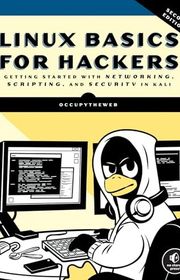
Linux Basics for Hackers
For beginners whose main interest is security testing and the Kali environment. Its focused examples give basic Linux skills a clear application, but the security-tool emphasis makes it less balanced than a general desktop or administration introduction.
What it's about
OccupyTheWeb introduces Linux through Kali, beginning with a virtual-machine setup and core command-line concepts. Lessons cover text, permissions, environment variables and scripting, connecting operating-system skills with the needs of learners entering security testing.
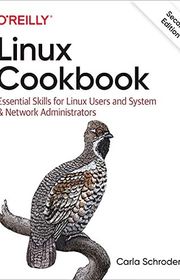
Linux Cookbook
For new and intermediate users who want solutions to concrete system-management problems. Its recipes explain the reasoning as well as the steps, but the problem-oriented layout is less suitable than a continuous course for learning Linux from zero.
What it's about
Carla Schroder presents practical recipes for managing Linux through graphical and command-line tools. Tasks cover system setup, networking, storage and recovery, with explanations and references that help readers adapt each solution to their own environment.

For users who know roughly what they need to do and want a compact reminder of commands and options. Its task-based organization supports quick lookup, but it cannot provide the context or sustained practice of a full tutorial.
What it's about
Daniel Barrett organizes essential Linux commands by the tasks they perform. This compact reference covers files, text processing, processes, accounts, networking, software installation, and shell scripts, with explanations of common options and command line techniques.

For readers who want installation, desktop use and server administration collected in a broad reference. Its range can help connect separate Linux tasks, but the edition’s age makes software-specific instructions less dependable than the underlying concepts.
What it's about
Richard Petersen guides readers through Linux installation, configuration, administration, and programming. This edition covers Debian and Red Hat based systems, desktop environments, security, networking, virtualization, and the tools used to run different kinds of servers.

Linux Administration
The Linux Operating System and Command Line Guide for Linux Administrators
For users ready to move from personal command-line work into maintaining a server. Cannon’s practical focus keeps core administrative responsibilities in view, but the concise coverage provides less infrastructure depth than the larger system administration handbook.
What it's about
Jason Cannon introduces Linux administration for users ready to manage systems. Boot processes, system messages, disk management, users, groups, and permissions receive practical treatment, connecting the operating system's basic mechanisms with the responsibilities involved in maintaining a Linux server.

Linux Kernel Development
For C programmers who want to understand the design choices inside the kernel. Its explanations connect implementation with operating-system concepts, but the 2.6-era code makes it a conceptual foundation that needs current documentation alongside it.
What it's about
Robert Love explains the design and implementation of the Linux kernel, drawing on version 2.6. Topics include processes, scheduling, system calls, memory, filesystems, synchronization, and debugging, connecting kernel theory with the practical work of developing code.

For aspiring administrators who want step-by-step coverage extending from individual systems into services and infrastructure. Its broad progression gives networking and maintenance substantial space, but the many topics make it less compact than a focused command-line guide.
What it's about
Wale Soyinka introduces Linux administration through examples and step-by-step explanations. This eighth edition covers hardware and software configuration, command line and graphical tools, network services, security, backups, performance, virtualization, and containers, connecting individual server management with larger infrastructure.
Sources
- 1
Best Linux Books for SysAdmins in 2026
computingforgeeks.com
- 2
14 Best Linux Books to Buy in 2026
ubuntufree.com
- 3
Best Linux Books – For Different Target Groups and Use Cases
linuxstans.com
- 4
Linux Books
educba.com
- 5
10 BEST Linux Books (2026 Update)
guru99.com
- 6
Linux Books
goodreads.com
- 7
Which book to use to learn linux formally?
reddit.com
- 8
Which book do you recommend to expand my knowledge in Linux?
reddit.com
- 9
Linux Programming
goodreads.com






Edited by
Software engineer whose passion for tracking book recommendations from podcasts inspired the creation of MRB.
Lead investor at 3one4 Capital whose startup expertise and love for books helped shape MRB and its growth.
Comments
Spotted a missing book, a wrong order or a mistake? Tell us and we'll fix this page.
We're a reading guide, not the author or publisher, so we can't send books or pass on messages.