
15 Best Unix Books
The best Unix books, ranked by how many expert sources recommend each, with notes for command-line beginners, C programmers, and system administrators.
Our take
Unix books range from learning to use a shell to understanding the kernel behind a running system. The same design ideas appear across Linux, BSD, and macOS, but commands, services, and programming interfaces can differ. A useful book should match both the work you want to do and the operating system in front of you.
The Linux Command Line provides a practical beginning for terminal users, while The UNIX Programming Environment explains the older tradition of combining small tools. C programmers can turn to Advanced Programming in the UNIX Environment for system interfaces or Unix Network Programming for sockets. Administrators need a different perspective, offered by UNIX and Linux System Administration Handbook. Historical books remain useful for ideas, but check platform details before applying their instructions. Start with the command line for everyday use, then choose programming, administration, or kernel internals according to your goal.
15 books · 8 sources · Last updated
As an Amazon Associate, we earn from qualifying purchases (at no extra cost to you).
How to choose from this list
Skip to the full rankingIf you're new to the terminal: The Linux Command Line
If you want to combine UNIX tools: The UNIX Programming Environment → UNIX Power Tools
If you want to write system software in C: Advanced Programming in the UNIX Environment → The Linux Programming Interface
If you want to build network applications: Unix Network Programming
If you administer systems: UNIX and Linux System Administration Handbook
If you want the historical background: UNIX → The Design of the UNIX Operating System
The 15 books, ranked
Ranked by how many expert sources name each book. Ties go to the book more people recommend.

Advanced Programming in the UNIX Environment
For C programmers who want to understand how UNIX interfaces fit together. The examples build a coherent model of files, processes, and communication, though readers need solid C skills and patience for detailed explanations.
What it's about
W. Richard Stevens and Stephen Rago explain UNIX system programming through C examples and case studies. The book progresses from files, directories, and processes to signals, threads, terminal handling, and interprocess communication, connecting system interfaces with working programs.
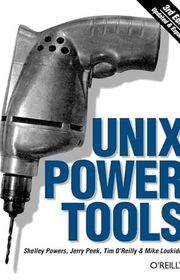
UNIX Power Tools
For experienced command-line users who enjoy discovering techniques by browsing a substantial reference. Its cross-linked tips encourage creative combinations of tools, though many platform assumptions and external utilities reflect an earlier UNIX era.
What it's about
This collection presents UNIX techniques for working with files, shells, text, processes, and system utilities. Short articles and cross-references connect practical problems with commands and scripts, helping users develop solutions by combining familiar tools in new ways.
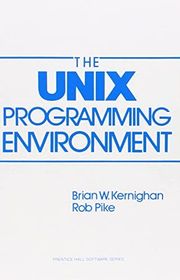
The UNIX Programming Environment
For readers who want to understand the tools-and-pipelines approach that shaped UNIX. Its compact examples encourage composition and experimentation, though old utilities and pre-ANSI C code require adaptation on modern systems.
What it's about
Brian Kernighan and Rob Pike introduce the UNIX programming environment through shell use, filters, scripting, and C interfaces. Their examples show how combining small programs can solve larger problems, while explaining the ideas behind the tools.

The Design of the UNIX Operating System
For students who want to trace kernel algorithms through a historically important UNIX implementation. Bach connects structures and interfaces in detail, though System V internals should not be mistaken for a description of current Linux.
What it's about
Maurice Bach examines the algorithms and data structures underlying UNIX System V. The book connects kernel internals with programmer interfaces, covering files, processes, scheduling, memory management, interprocess communication, and distributed systems through diagrams and code examples.

For beginners who want a guided route from terminal basics to shell scripts. Its exercises make command-line habits concrete, though the Bash and Linux emphasis requires adjustments when using other shells or UNIX variants.
What it's about
William Shotts introduces the Linux terminal, progressing from basic commands to Bash programs. Exercises cover files, directories, pipelines, text editing, system administration, and shell scripts, showing how command line tools can automate everyday tasks.
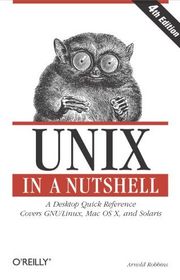
Unix in a Nutshell
For users who already know the basics and want a compact command reference beside the terminal. Its breadth supports quick lookup, though the covered systems and command versions require comparison with current manual pages.
What it's about
Arnold Robbins collects UNIX commands and tools in a desktop reference covering shells, text processing, editors, and software development utilities. Concise descriptions and examples help experienced users look up syntax and compare tools across UNIX-like systems.
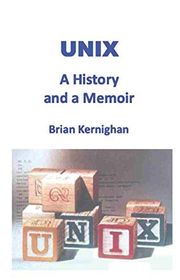
UNIX: A History and a Memoir
For readers who want the people and decisions behind UNIX rather than another command tutorial. Kernighan provides a participant’s perspective on its development, though the memoir offers limited hands-on programming or administration instruction.
What it's about
Brian Kernighan recounts the development of UNIX at Bell Labs and its spread beyond the original research group. Personal memories connect its creators, tools, and design choices with the computing culture that grew around the system.

The Art of UNIX Programming
For developers who want to understand UNIX design habits such as small tools, clear interfaces, and composition. Its architectural perspective extends beyond command syntax, though opinionated historical examples offer little step-by-step instruction for beginners.
What it's about
Eric S. Raymond explains the philosophy, design patterns, tools, and traditions behind UNIX programming. Drawing on open-source examples and commentary from UNIX pioneers, he presents approaches to modularity, portability, reuse, and maintainability that inform software development beyond a single operating system.

For C programmers needing detailed explanations of Linux system calls and their UNIX background. Its thorough examples make it valuable for implementation work, though its size and Linux-specific sections can overwhelm a first-time reader.
What it's about
Michael Kerrisk explains Linux and UNIX system programming through system calls, library functions, and complete example programs. Topics include files, processes, signals, clocks, secure programming, and threads, with exercises connecting the interfaces to practical programming problems.

UNIX and Linux System Administration Handbook
For administrators who want a broad reference spanning technical tasks and operational responsibilities. Its practical perspective helps connect individual commands to running reliable systems, though distribution-specific procedures should be checked against current documentation.
What it's about
Evi Nemeth and her coauthors guide readers through installing, configuring, and maintaining UNIX and Linux systems. The handbook addresses storage, networking, security, automation, performance, virtualization, and cloud deployments, alongside the responsibilities of system administrators.

For C programmers building networked applications who want sockets explained beyond isolated examples. Its detailed treatment of client-server behavior supports careful engineering, though some protocols and platform details require checking against current implementations.
What it's about
This guide explains UNIX network programming through the sockets API and client-server examples. It covers transport protocols, socket functions, address handling, and network application design, helping programmers understand the interfaces used to build communicating systems.

Advanced UNIX Programming
For C programmers who want a focused exploration of UNIX system services and portability. Rochkind emphasizes practical programming choices, though examples from older operating systems need interpretation before being applied to a current platform.
What it's about
Marc Rochkind explains UNIX system services through practical programming examples. The guide covers file and terminal input and output, processes, threads, signals, interprocess communication, and sockets, emphasizing reliable use of system calls and portability across UNIX environments.

Essential System Administration
Tools and Techniques for Linux and Unix Administration
For administrators seeking clear explanations of the responsibilities involved in maintaining shared UNIX systems. The task-oriented structure supports systematic learning, though many commands and service configurations reflect systems that are no longer current.
What it's about
Æleen Frisch organizes UNIX and Linux administration around the tasks administrators perform. The guide combines foundational concepts with practical techniques for maintaining shared systems, helping readers handle routine work and the complications that arise during operation.

For users who can run Linux commands but want to understand what happens underneath. Ward connects system layers to practical investigation, though the Linux-specific details do not always transfer directly to BSD or macOS.
What it's about
Brian Ward explains the inner workings of Linux by connecting background concepts with practical examples. This third edition explores the layers behind everyday system use, helping readers understand why administrative techniques work and how the operating system's parts fit together.

Linux Bible
For learners who prefer a broad Linux course with exercises and administration practice. Its hands-on approach supports sustained study, though this edition uses older distributions and is less suited to learning BSD or macOS specifically.
What it's about
Christopher Negus develops Linux skills through practical explanations and exercises for beginners and experienced users. The tenth edition uses Red Hat Enterprise Linux 8, Fedora 30, and Ubuntu 18.04 LTS to connect operating system concepts with hands-on work.
Sources
- 1
UNIX Books
educba.com
- 2
OpenBSD: Books
openbsd.org
- 3
100 Best Unix Books of All Time
shortform.com
- 4
Unix Books
goodreads.com
- 5
Is one allowed to grow a Unix beard after reading most of these books?
reddit.com
- 6
15 Best Linux/UNIX Books For Beginners
geeksforgeeks.org
- 7
Best Books for Unix and Shell Scripting
itechguides.com
- 8
Books for Learning Unix
kegel.com


Edited by
Software engineer whose passion for tracking book recommendations from podcasts inspired the creation of MRB.
Lead investor at 3one4 Capital whose startup expertise and love for books helped shape MRB and its growth.
Comments
Spotted a missing book, a wrong order or a mistake? Tell us and we'll fix this page.
We're a reading guide, not the author or publisher, so we can't send books or pass on messages.