
9 Best Linguistics Books
The best linguistics books, ranked by how many expert sources recommend each one, with notes for choosing introductions, language history, theory, and everyday usage.
Our take
Linguistics studies how language is structured, used, learned, and changed. Its questions range from the sounds people produce to the ways grammar, meaning, identity, and social context interact. The books here include broad introductions, histories, arguments about the mind, and accounts of everyday communication. A popular narrative can spark curiosity; a textbook gives more organized coverage and opportunities to work with the ideas.
How Language Works offers a wide-ranging first tour, while The Study of Language provides a more course-like route. Because Internet starts with digital communication, and Don't Believe a Word challenges familiar assumptions. For language change, try The Power of Babel or The Unfolding of Language. The Language Instinct develops an influential theoretical argument, while The Stories of English concentrates on one language's many histories. Start with Crystal's overview for breadth, or Yule's textbook if you want a structured foundation before following a particular interest.
9 books · 5 sources · Last updated
As an Amazon Associate, we earn from qualifying purchases (at no extra cost to you).
How to choose from this list
Skip to the full rankingIf you want a broad first tour: How Language Works
If you prefer a structured introduction: The Study of Language
If you're curious about online communication: Because Internet
If you want to question familiar assumptions: Don't Believe a Word → Language Myths
If you want to understand language change: The Power of Babel → The Unfolding of Language
If you want a history of English varieties: The Stories of English
The 9 books, ranked
Ranked by how many expert sources name each book. Ties go to the book more people recommend.

For readers curious about the patterns behind everyday online writing. McCulloch makes punctuation, emoji, and generational differences productive linguistic evidence, though the focus on digital communication offers less of a general introduction and some platform examples inevitably date.
What it's about
Linguist Gretchen McCulloch explores how online communication changes language, from punctuation and emoji to memes and shifting slang. She examines the patterns behind seemingly chaotic internet speech and how platforms and generations shape people's writing.
Also recommended by
1 person Daniel Pink recommended this book
Daniel Pink
Most Recommended Books reached out to Daniel Pink directly.
Daniel Pink's recommendation of this book

How Language Works
How Babies Babble, Words Change Meaning, and Languages Live or Die
For general readers who want a broad tour before choosing a specialist topic. Crystal connects technical questions with everyday communication in short sections, though the wide coverage offers less sustained argument or practice than a course-oriented introduction.
What it's about
David Crystal surveys how language functions in everyday communication. He explores language origins, children's speech, conversation, writing, social differences, and judgments about politeness, connecting broad linguistic questions with familiar features of daily life.

The Stories of English
For readers who want English history told through many varieties and speakers. Crystal gives regional and social diversity a central place, though the English-specific detail and substantial scope make it less direct as an introduction to linguistics generally.
What it's about
David Crystal traces the history of English through its regional, social, and global varieties. Literary examples and everyday voices show how accents and dialects shaped the language, expanding the story beyond the development of standard English.

For readers interested in why languages change and become diverse. McWhorter's historical examples make large patterns vivid, though the broad narrative and lively comparisons sometimes move faster than readers seeking detailed technical explanation may prefer.
What it's about
John McWhorter surveys the natural history of language, tracing how human speech develops into different forms. Linguistic examples and historical context explore change, contact, dialects, and the shifting diversity of languages around the world.

For readers interested in an influential argument about language, the mind, and human evolution. Pinker makes technical ideas accessible through lively examples, though the book advances a particular theoretical position whose claims remain subjects of debate.
What it's about
Steven Pinker argues that language is an evolved human capacity rather than simply a cultural invention. Exploring grammar, childhood learning, and the brain, he uses everyday speech and linguistic research to explain how language works.
Also recommended by
1 person Charlie Munger recommended this book
Charlie Munger
"Says that human language ability is not just learned, it is deeply buried - to a considerable extent - in the genome." - Charlie Munger
Charlie Munger's recommendation of this book

For beginners who want familiar assumptions about language questioned. Shariatmadari uses recognizable examples to make linguistic reasoning approachable, though the myth-centered structure provides less systematic coverage of the field than an introductory textbook.
What it's about
David Shariatmadari examines nine common myths about language through insights from linguistics. He considers changing meanings, translation, grammar, dialects, and communication, challenging assumptions about linguistic decline and what words can tell us.

Language Myths
For readers who prefer short, independent discussions of familiar language beliefs. Contributions from different linguists give the collection a useful range of voices, though its essay format and older examples provide less continuity than a single introductory argument.
What it's about
Edited by Laurie Bauer and Peter Trudgill, this essay collection asks linguists to examine popular beliefs about language. Topics include claims that media, Americans, or declining children's skills are damaging English, alongside broader assumptions about accents and language differences.
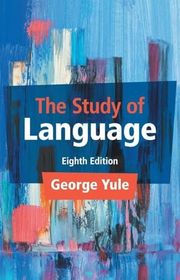
The Study of Language
For beginners who want a structured introduction with concepts they can work through. Yule's compact chapters and exercises give the subject a course-like progression, though the survey format offers less narrative depth than a book devoted to one question.
What it's about
George Yule introduces the major areas of linguistics, including speech sounds, word structure, grammar, meaning, acquisition, and language in society. Short chapters, examples, and activities help readers build the vocabulary and analytical habits needed for further study.

For readers who wonder how complex grammar can emerge through ordinary language change. Deutscher connects familiar processes with larger historical patterns, though some of the reconstruction and technical examples require more concentration than a casual introductory essay.
What it's about
Guy Deutscher investigates how language develops complex grammar, vocabulary, and meaning through gradual change. Examples from ancient and modern languages connect pronunciation, metaphor, and linguistic patterns with the processes that transform ordinary speech into increasingly elaborate systems of expression.
Sources
- 1
12 Linguistics Books To Help You Learn More About Language
babbel.com
- 2
Linguistics reading suggestions | Christs College Cambridge
christs.cam.ac.uk
- 3
Best Books on Linguistics - Take a Read! - Bunny Studio Blog
bunnystudio.com
- 4
Best Books about Linguistics (264 books)
goodreads.com
- 5
Five Best Linguistics Books
tomedes.com






Edited by
Software engineer whose passion for tracking book recommendations from podcasts inspired the creation of MRB.
Lead investor at 3one4 Capital whose startup expertise and love for books helped shape MRB and its growth.
Comments
Did we miss something? Have feedback?
Help us improve this page by sharing your thoughts