
12 Best Language Learning Books
The best language learning books, ranked by how many expert sources recommend each one, with notes on who each suits, from new learners to language teachers.
Our take
Learning another language involves several kinds of work: understanding speech, building vocabulary, noticing patterns, and using what you know with other people. Books about learning can help you organize that work and question unhelpful assumptions. They serve a different purpose from a coursebook, dictionary, or graded reader in the language you actually want to use.
Fluent Forever offers a structured approach to pronunciation and memory, while How To Learn Any Language gathers adaptable ideas for independent study. Fluent in 3 Months emphasizes the confidence to speak early, but its title should not set your timetable. How Languages are Learned takes a research-oriented view that particularly suits teachers and serious students of learning. Other books here explore language itself rather than providing a study method. Start with Fluent Forever if you want a clear routine to adapt, or Becoming Fluent if you want to rethink adult learning before choosing your approach.
12 books · 7 sources · Last updated
As an Amazon Associate, we earn from qualifying purchases (at no extra cost to you).
How to choose from this list
Skip to the full rankingIf you want a structured study approach: Fluent Forever → Fluency Made Achievable
If you want adaptable independent study ideas: How To Learn Any Language → Language Is Music
If you need confidence to speak: Fluent in 3 Months
If you’re returning to learning as an adult: Becoming Fluent → How to Learn a New Language with a Used Brain
If you want acquisition research: How Languages are Learned
If you’re curious about language itself: Language Myths → Words and Rules
The 12 books, ranked
Ranked by how many expert sources name each book. Ties go to the book more people recommend.

For independent learners who want a system for pronunciation, vocabulary, and recall. Its personalized flashcard approach gives memory practice a clear structure, though preparing materials takes time and the book is not a course in your chosen language.
What it's about
Gabriel Wyner presents a language-learning method that begins with pronunciation and builds vocabulary through memorable associations. He explains how personalized flashcards, spaced repetition, and practice with language resources can support learning and long-term recall.

How To Learn Any Language
For self-directed learners who want adaptable ideas for finding practice throughout the day. Its enthusiasm and practical range encourage experimentation, though the older examples and personal approach need translating into the resources available to you now.
What it's about
Barry Farber draws on decades of language learning to explain his approach to independent study. Personal experiences and practical suggestions address using learning materials, practicing pronunciation, building vocabulary, and finding opportunities to use a new language.

Fluent in 3 Months
How Anyone at Any Age Can Learn to Speak Any Language from Anywhere in the World
For hesitant learners who need encouragement to start speaking before they feel ready. Its emphasis on real interaction counters perfectionism, though the title’s timeline is no reliable promise and speaking practice still needs support from other skills.
What it's about
Benny Lewis advocates speaking a new language from the beginning rather than waiting for mastery of grammar. His guide challenges common learning assumptions and suggests practical uses of phrases, observation, and body language, including ways to pursue immersion without traveling abroad.

How to Learn a Foreign Language
For learners who want a concise account of effective practice and the confidence to begin. Its attention to listening and speaking offers a useful foundation, though the book explains an approach rather than supplying the Pimsleur audio course.
What it's about
Paul Pimsleur explains his approach to learning a foreign language, emphasizing how people practice rather than simply what they study. He discusses confidence, speaking and listening, pronunciation, vocabulary, and grammar as connected parts of language learning.
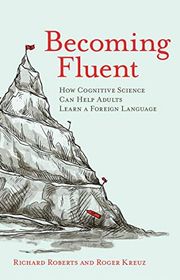
Becoming Fluent: How Cognitive Science Can Help Adults Learn a Foreign Language
For adult learners who want a cognitive-science perspective on their strengths and obstacles. Its discussion of memory, experience, and learning beliefs offers a thoughtful complement to method books, though it does not provide language-specific lessons.
What it's about
Richard Roberts and Roger Kreuz examine adult language learning through psychology and cognitive science. They discuss how existing knowledge, awareness of learning processes, and the social use of language can help adults approach a new language more effectively.

How Languages are Learned
For teachers and serious learners who want research on how languages are acquired. Its classroom connections help evaluate competing claims, though the academic approach is more demanding than a personal guide to independent study.
What it's about
Patsy Lightbown and Nina Spada connect research on first and second language acquisition with classroom teaching. Activities and reflection questions examine individual differences, competing explanations of learning, and the practical implications of language education research.

For readers curious about how vocabulary and grammar interact in the mind. Its close attention to regular and irregular forms offers intellectual depth, though it explains language rather than teaching you how to speak another one.
What it's about
Regular and irregular verbs provide Steven Pinker's starting point for investigating language and the mind. He explores how remembered words interact with grammatical rules, linking children's speech, linguistic history, computer models, and research on the brain.

For learners who want a more balanced routine across listening, reading, speaking, and writing. Its exercises and planner turn broad intentions into study choices, though a planning framework still requires suitable materials and regular follow-through.
What it's about
Kerstin Hammes organizes independent language study around listening, reading, speaking, and writing. Exercises, interviews with language learners, and a three-week study planner help readers assess their abilities and develop a more balanced practice routine.

How to Learn a New Language with a Used Brain
For adults starting again who want practical encouragement and a manageable study routine. Its experience-based suggestions make learning feel more approachable, though the personal French-learning perspective is not a comprehensive account of acquisition research.
What it's about
Lynn McBride presents a practical program for adults beginning or returning to language study. Drawing on her experience learning French, she discusses choosing resources, organizing practice, finding immersion opportunities, and making learning enjoyable and sustainable.

How to Learn Any Language in a Few Months While Enjoying Yourself
45 Proven Tips for Language Learners
For independent learners who prefer a collection of small, practical suggestions. Its tips offer ways to vary practice and handle discouragement, though the broad format gives less depth than a structured method and cannot guarantee rapid fluency.
What it's about
Nate Nicholson offers forty-five tips for making independent language learning more enjoyable and practical. Topics include finding conversation partners, improving listening through films, getting feedback on writing, fitting practice into daily life, and overcoming discouragement.

For learners who enjoy music, media, and cultural exploration more than formal drills. Its listening-centered suggestions make everyday exposure easier to arrange, though songs and entertainment need supplementing with active practice and feedback.
What it's about
Susanna Zaraysky offers tips for learning languages through music, television, conversation, and cultural activities. Her listening-focused approach shows how learners can integrate practice into everyday life and create opportunities for immersion using affordable resources.

Language Myths
For readers whose assumptions about accents, correctness, or language change get in the way of learning. Its expert essays challenge familiar beliefs, though it is background reading in linguistics rather than a plan for daily study.
What it's about
Edited by Laurie Bauer and Peter Trudgill, this essay collection asks linguists to examine popular beliefs about language. Topics include claims that media, Americans, or declining children's skills are damaging English, alongside broader assumptions about accents and language differences.
Sources
- 1
The 10 Best Language Learning Books [2025 Edition]
fluentu.com
- 2
Books about how to learn languages
omniglot.com
- 3
Best Language Learning Books We Actually Finished
yakyacker.com
- 4
The best books for learning a new language
stepbystepguides.org
- 5
Books on Language Learning
reddit.com
- 6
Learn a New Language Month
sclibrary.bibliocommons.com
- 7
Books about learning a language (15 books)
goodreads.com





Edited by
Software engineer whose passion for tracking book recommendations from podcasts inspired the creation of MRB.
Lead investor at 3one4 Capital whose startup expertise and love for books helped shape MRB and its growth.
Comments
Spotted a missing book, a wrong order or a mistake? Tell us and we'll fix this page.
We're a reading guide, not the author or publisher, so we can't send books or pass on messages.