
15 Best Beer Brewing Books
Find the best beer brewing books, ranked by expert sources and readers, with guides to first batches, recipe design, fermentation, water, hops, and lager brewing.
Our take
A useful brewing book should match the problem in your next batch. A complete beginner needs a clear process and an explanation of what each stage accomplishes. A brewer chasing inconsistent fermentation, better hop aroma, or a particular lager needs a more focused reference. Buying the most technical book first can make a manageable hobby feel unnecessarily complicated.
Start with How To Brew for systematic instruction or Mastering Homebrew for a more visual approach. Brewing Classic Styles supplies recipes to learn from, while Designing Great Beers helps explain how to formulate your own. Radical Brewing becomes especially useful when sound technique leaves you ready to experiment.
Choose ingredient and process books once you can identify the question you want answered. Yeast and Water address different causes of inconsistency; The New IPA concentrates on hop-driven beer. Modern Lager Beer and American Sour Beers explore distinct fermentation traditions. Begin with one general guide, brew and keep records, then choose the specialist whose subject matches your results.
15 books · 9 sources · Last updated
As an Amazon Associate, we earn from qualifying purchases (at no extra cost to you).
How to choose from this list
Skip to the full rankingIf you are brewing your first batches: How To Brew → Mastering Homebrew
If you want recipes before designing your own: Brewing Classic Styles → Designing Great Beers
If you want more consistent results: Brewing Better Beer → Yeast → Water
If you want more hop aroma: For The Love of Hops → The New IPA
If you want to specialize in fermentation: Modern Lager Beer → Brew Like a Monk → American Sour Beers
If you want creative recipe ideas: Radical Brewing
The 15 books, ranked
Ranked by how many expert sources name each book. Ties go to the book more people recommend.

For beginners who want a systematic guide that remains useful as their methods advance. Palmer connects practical steps with brewing science, though later technical sections are better consulted as questions arise than absorbed before batch one.
What it's about
John Palmer guides homebrewers from their first batch through more advanced brewing methods. Explanations cover ingredients, fermentation, and equipment, progressing from straightforward instructions to all-grain techniques and specialty beers while connecting brewing practice with the underlying science.

For brewers seeking creative ingredients, historical ideas, and reasons to experiment. Mosher supplies a broad imaginative repertoire, though the playful recipes work best when combined with sound process control and more current technical guidance.
What it's about
Randy Mosher combines brewing history with recipes and experiments for homebrewers. The book explores unusual ingredients, fruits, spices, smoked beers, and varied styles, encouraging readers to understand traditional methods while developing their own creations.

For experienced homebrewers who want to build recipes rather than simply follow them. Daniels makes style parameters and formulation calculations explicit, though its historical data and ingredient landscape need supplementing for newer beer styles.
What it's about
Ray Daniels explains how to formulate beer recipes using classic styles, brewing calculations, and ingredient choices. Tables, formulas, and technical discussions connect malt, hops, yeast, and brewing methods with the flavor and character brewers want their finished beers to have.
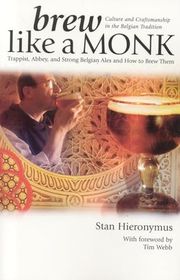
Brew Like a Monk
For brewers interested in Belgian abbey traditions and the choices behind their distinctive beers. Hieronymus combines brewery visits with practical guidance, though reproducing the character requires fermentation judgment rather than a recipe alone.
What it's about
Stan Hieronymus explores Trappist, abbey, and strong Belgian ales through their history, breweries, ingredients, and production methods. Accounts from brewers and practical guidance connect the beers’ distinctive character with choices about recipes, yeast, fermentation, and conditioning.
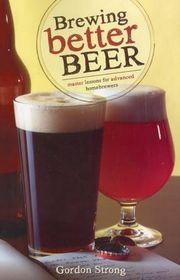
Brewing Better Beer
For homebrewers who have reliable basics and want to refine their judgment. Strong connects process, recipe decisions, and sensory evaluation through experience, though the advice is more valuable after you have batches to assess.
What it's about
Gordon Strong shares methods for improving homebrewed beer through better process choices, recipe development, and evaluation. Drawing on his brewing and judging experience, he explains ways to diagnose weaknesses, adapt techniques, and develop greater consistency across different styles.

For The Love of Hops
The Practical Guide to Aroma, Bitterness and the Culture of Hops
For brewers who want to understand hops beyond a variety’s advertised flavor notes. Hieronymus connects growing, processing, and brewing practice, though later varieties and research require additional reading alongside this foundation.
What it's about
Stan Hieronymus traces hops from cultivation to brewing, combining their history with the science of aroma and bitterness. Interviews with growers and brewers accompany discussions of hop anatomy, varieties, and compounds, showing how this ingredient influences the character of beer.

For brewers who want dependable starting recipes across established beer styles. Extract formulations and all-grain options make comparisons practical, though the older style framework and ingredient choices need checking against current availability and competition guidelines.
What it's about
Jamil Zainasheff and John Palmer present eighty recipes for brewing classic beer styles at home. Extract-based formulations, with all-grain options, accompany guidance on ingredients and techniques, helping brewers understand the characteristics they aim to reproduce for enjoyment or competition.

For brewers whose next improvement depends on fermentation consistency and yeast handling. White and Zainasheff connect practical procedures with microbiology, though some laboratory methods demand more equipment and care than a casual setup provides.
What it's about
Chris White and Jamil Zainasheff explain yeast management and the science of beer fermentation. Practical procedures cover laboratory setup, equipment, and troubleshooting, helping brewers connect yeast behavior and fermentation choices with the qualities of their finished beer.
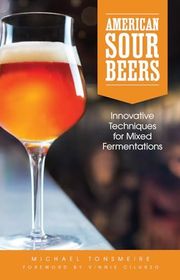
American Sour Beers
For experienced brewers exploring mixed fermentation and sour beer production. Tonsmeire connects microbial cultures, aging, blending, and brewery practice, though these projects demand patience and careful separation from equipment used for clean fermentation.
What it's about
Michael Tonsmeire examines American approaches to sour beer, including mixed fermentation, culture selection, barrel aging, fruit additions, and blending. Interviews, brewery methods, and practical discussion show how brewers develop complex acidic beers through varied processes and extended maturation.

For brewers who want ingredient choices grounded in how malt is produced and evaluated. Mallett connects malting and grain analysis with brewhouse decisions, though its technical detail exceeds what a first batch requires.
What it's about
John Mallett follows malt from barley cultivation through malting and into the brewhouse. Explanations of enzymes, specialty malts, and flavor development accompany guidance on analysis, selection, storage, and handling, connecting the ingredient's production with its effects in beer.

For visual learners who want brewing explained through ingredients, process, and flavor. Mosher’s illustrated approach helps connect decisions across the whole batch, though a specialist text provides more depth on fermentation or water chemistry.
What it's about
Randy Mosher explains homebrewing from ingredients and equipment through mashing, fermentation, and bottling. Illustrated guidance and recipes connect brewing choices to flavor, while advice on tasting and serving helps assess the finished beer.

The Complete Joy of Homebrewing
For beginners who appreciate an encouraging introduction and the culture of homebrewing. Papazian makes experimentation approachable, though its older practical advice benefits from comparison with current guidance on equipment, ingredients, and process control.
What it's about
Charlie Papazian introduces homebrewing with instructions that take readers from preparing ingredients to fermentation and bottling. Recipes, brewing techniques, and explanations of ingredients support beginners and more experienced brewers, emphasizing experimentation and enjoyment alongside the practical steps of making beer.

For experienced brewers focused on hop aroma, flavor, and hazy beer processes. Janish connects research with brewing decisions, though the dense discussion and evolving science make careful trials more useful than treating every finding as universal.
What it's about
Scott Janish translates hop research into practical questions about brewing aroma and flavor. Academic studies, experiments, laboratory tests, and interviews with brewers inform his examination of ingredient selection and brewing processes, with particular attention to hoppy and hazy beers.

For brewers ready to interpret water reports and manage mash chemistry. Palmer and Kaminski explain the reasoning behind treatment choices, though the calculations and chemical concepts make this a poor first brewing book.
What it's about
John Palmer and Colin Kaminski explain water chemistry and its role throughout brewing. The guide discusses adapting water to beer styles, residual alkalinity, malt acidity, and mash pH, alongside brewery process water and wastewater treatment for home and professional brewers.
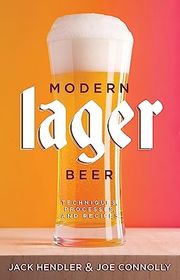
Modern Lager Beer
For brewers who want to compare contemporary lager processes with their historical foundations. Hendler and Connolly draw on working breweries to explain differing approaches, though some production details require adaptation to smaller home systems.
What it's about
Jack Hendler and Joe Connolly examine lager brewing through historical traditions and contemporary brewery practice. Discussions of mashing, fermentation, equipment, and recipes show how different production choices shape the varied beers within the lager category.
Sources
- 1
The Best Home Brewing Books: Four of my Favorites
beersmith.com
- 2
Best Homebrewing Books: From Basics to Mastery, 10 Essential Reads
homebrewacademy.com
- 3
The 28 Best Homebrewing Books to Have on Your Bookshelf
brewtogether.com
- 4
Books Every Brewer and Beer Lover Must Read
beerandbrewing.com
- 5
Best Homebrewing Books
goodreads.com
- 6
Best beer brewing book?
reddit.com
- 7
All Books
brewerspublications.com
- 8
Recommended Books
sphbc.org
- 9
Any recent book recommendations?
reddit.com






Edited by
Software engineer whose passion for tracking book recommendations from podcasts inspired the creation of MRB.
Lead investor at 3one4 Capital whose startup expertise and love for books helped shape MRB and its growth.
Comments
Spotted a missing book, a wrong order or a mistake? Tell us and we'll fix this page.
We're a reading guide, not the author or publisher, so we can't send books or pass on messages.