
9 Best Sex Positive Books
The best sex-positive books, ranked by how many expert sources recommend each one, with notes for readers exploring desire, identity, relationships, and shame.
Our take
A sex-positive approach makes room for consent, boundaries, different identities, and the choice to define a satisfying life for yourself. These books explore that idea from several directions. Some explain desire and sexual response, others focus on relationship agreements, and some examine the social pressures that shape how people feel about their bodies and pleasure.
Come As You Are offers a research-oriented introduction to context and individual differences. Queer Sex centers trans and nonbinary voices, while The Ethical Slut addresses consensual nonmonogamy and the conversations it requires. For long-term partners, Mating in Captivity and Come Together consider different ways of understanding lasting connection. Pleasure Activism places pleasure within Black feminist and collective struggles, and The Body Is Not an Apology looks more broadly at body shame and social inequality.
Start with the question you want to explore, whether that is understanding desire, expressing a boundary, or finding experiences that reflect your own.
9 books · 8 sources · Last updated
As an Amazon Associate, we earn from qualifying purchases (at no extra cost to you).
How to choose from this list
Skip to the full rankingIf you want to understand desire: Come As You Are
If you're exploring trans and nonbinary experiences: Queer Sex
If you're considering consensual nonmonogamy: The Ethical Slut
If you're thinking about long-term connection: Mating in Captivity → Come Together
If body shame is your starting point: The Body Is Not an Apology
If you're interested in pleasure and social justice: Pleasure Activism
The 9 books, ranked
Ranked by how many expert sources name each book. Ties go to the book more people recommend.

For readers questioning expectations about desire and sexual response. Its explanation of context and individual differences offers a more research-oriented foundation than personal essays, though its main emphasis on women's experiences won't cover every reader's questions.
What it's about
Emily Nagoski explains women's sexuality through research on desire, pleasure, and the role of context. The guide explores stress, mood, trust, and body image, encouraging readers to understand individual differences and reconsider assumptions about how sexual wellbeing works.

For trans and nonbinary readers seeking experiences that conventional sex guides often overlook. Its interviews allow different voices to shape the discussion, though it is more an exploration of intimacy and identity than a systematic instruction manual.
What it's about
Juno Roche interviews members of trans and nonbinary communities about desire, dating, intimacy, and relationships. Personal accounts challenge prejudices about trans bodies and explore how people define pleasure and connection beyond conventional assumptions about gender.

The Ethical Slut
A Practical Guide to Polyamory, Open Relationships, and Other Freedoms in Sex and Love
For readers exploring consensual nonmonogamy or reconsidering relationship assumptions. Its attention to communication, jealousy, and negotiated agreements is more practical than a cultural critique, though it is most useful when that relationship framework interests you.
What it's about
Janet W. Hardy and Dossie Easton explore consensual nonmonogamy through communication, emotional honesty, and negotiated relationships. This guide addresses jealousy, boundaries, safer sex, and varied relationship arrangements while examining assumptions about commitment, intimacy, gender, and sexual freedom.
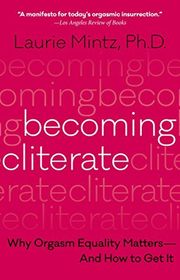
Becoming Cliterate: Why Orgasm Equality Matters and How to Get It
For readers who want anatomy and communication discussed alongside cultural expectations about pleasure. Its focused argument makes orgasm inequality more concrete than a general sexuality overview, though its narrower emphasis won't answer every relationship or identity question.
What it's about
Laurie Mintz examines cultural assumptions that contribute to unequal experiences of sexual pleasure. She combines discussion of anatomy and history with exercises on self-understanding and partner communication, arguing for a more informed and equitable approach to intimacy.
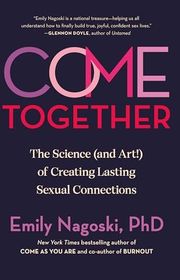
Come Together
For people in long-term relationships who want to discuss and sustain a satisfying shared sex life. Its relationship-centered focus builds beyond Come As You Are, though readers seeking a quick set of techniques may find the framework lengthy.
What it's about
Emily Nagoski examines how people create and sustain sexual connections in long relationships. Drawing on research and personal accounts, she explores pleasure, emotional context, and the pressures that can make connection difficult amid the demands of everyday life.

For readers who want to connect pleasure with Black feminism, community, and social justice. Its range of essays expands the discussion beyond individual relationships, though readers seeking a compact, practical sex guide will find a different project.
What it's about
adrienne maree brown brings together essays and conversations exploring pleasure as a resource for healing and social justice. Drawing on Black feminist traditions, the collection considers sexuality, race, gender, and other political questions through the pursuit of fulfilling lives.
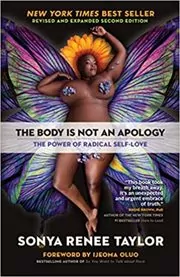
For readers whose discomfort with their bodies shapes intimacy and everyday life. Its connection between self-regard and social inequality goes beyond individual confidence advice, though sexuality is one part of its broader political and personal focus.
What it's about
Sonya Renee Taylor argues that body shame reflects social systems as well as personal experience. This revised edition presents radical self-love as a practice for challenging internalized judgments and the oppression attached to bodily differences.

For readers thinking about desire within a secure, long-term partnership. Its focus on the tension between familiarity and freedom offers a different perspective from anatomy-led guides, though its case-based reflections provide fewer structured exercises.
What it's about
Esther Perel explores the tension between secure intimacy and erotic desire in long-term relationships. Drawing on her therapy practice, she examines familiarity, parenthood, and the desire for freedom, asking how couples might sustain passion together.
Also recommended by
1 person Dan Engle recommended this book
Dan Engle
"Such a good book about just deconstructing the whole idea of success in relationships." - Dan Engle
Dan Engle's recommendation of this book

For women and their partners who want inclusive, practical sexuality education. Its illustrated, conversational format connects communication with bodies and relationships, though the fictional framing and playful style may distract readers who prefer a straightforward reference.
What it's about
Allison Moon combines inclusive sexuality education with kd diamond's illustrations and a fictional narrative. The guide discusses consent, communication, anatomy, pleasure, safer sex, disability, and relationships, drawing on many voices across genders and sexual identities.
Sources
- 1
7 Best Sex-Positive Books to Read in 2024
hookedtobooks.com
- 2
10 Books That Will Make Your Sex Life Even Spicier
bustle.com
- 3
Sex Positive Books
goodreads.com
- 4
9 Books To Help You Reconnect With Your Sexual Desires
thegoodtrade.com
- 5
I’m Looking For Non-Fiction Queer and Sex Positive Book Recommendations
reddit.com
- 6
Can anyone recommend sex-positive books for people recovering from religion?
reddit.com
- 7
Sex positive resources for every body
trianglesexed.com
- 8
Sex-Positive Alternative Lifestyle Books
centerforhealthysex.com


Edited by
Software engineer whose passion for tracking book recommendations from podcasts inspired the creation of MRB.
Lead investor at 3one4 Capital whose startup expertise and love for books helped shape MRB and its growth.
Comments
Spotted a missing book, a wrong order or a mistake? Tell us and we'll fix this page.
We're a reading guide, not the author or publisher, so we can't send books or pass on messages.