
13 Best Animation Books
The best animation books, ranked by how many expert sources recommend each one, with notes for beginners, character artists, storytellers, and film fans.
Our take
Animation books serve several different kinds of reader. Beginners need to understand timing, spacing, and weight; character artists need expressive poses and believable intentions. Storyboard and layout artists work at the scale of a scene, while film fans may be more interested in the people and studios that developed the medium. Choosing by that immediate interest makes a large illustrated reference easier to use.
The Animator's Survival Kit gives movement the closest practical attention, while Cartoon Animation with Preston Blair connects traditional drawing with lively cartoon action. Acting for Animators shifts the emphasis toward a character's thoughts and choices. For gesture drawing, start with Drawn to Life Volume 1 before moving to its companion volume. Directing the Story and Setting the Scene broaden the view to storytelling and layout. The Illusion of Life, Hollywood Cartoons, and Miyazaki's Starting Point offer different windows into animation history and creative practice. Start with one skill you want to improve, then use the book alongside a short exercise.
13 books · 8 sources · Last updated
As an Amazon Associate, we earn from qualifying purchases (at no extra cost to you).
How to choose from this list
Skip to the full rankingIf you're learning movement: The Animator's Survival Kit → Timing for Animation
If you want expressive cartoon characters: Cartoon Animation with Preston Blair → Character Animation Crash Course!
If you want more believable performances: Acting for Animators
If you're improving gesture drawing: Drawn to Life Volume 1 → Drawn to Life Volume 2
If you want to plan scenes: Directing the Story → Setting the Scene
If you want animation history: The Illusion of Life → Hollywood Cartoons → Starting Point
The 13 books, ranked
Ranked by how many expert sources name each book. Ties go to the book more people recommend.

The Animator's Survival Kit
For beginners and working animators who need a reference for convincing movement. Its detailed breakdowns of walks, spacing, and weight are more practical than the history books here, but the dense diagrams reward repeated practice.
What it's about
Richard Williams presents the underlying principles of animation through illustrated lessons drawn from his master classes. The manual explains how to create convincing movement across animation methods, with guidance on difficult subjects such as animal action and using live-action reference.

For readers who want to understand how Disney developed character animation. It connects principles with studio history more fully than the shorter manuals, but its size and Disney focus make it a substantial, selective reference.
What it's about
Frank Thomas and Ollie Johnston recount the development of Disney character animation from their experience inside the studio. Drawings and production examples explain animation principles, working methods, and the artistic choices that gave characters distinctive movement and personality.

For readers interested in the ideas behind Miyazaki’s films and creative decisions. His essays and interviews offer a filmmaker’s perspective beyond technical instruction, though the varied pieces are less systematic than an animation handbook.
What it's about
Hayao Miyazaki’s essays, interviews, and recollections trace his early career and the development of his ideas about animation. The collection discusses childhood influences, creative work, and the founding of Studio Ghibli, offering insight into his approach to filmmaking.

Acting for Animators
For animators who can move a character but struggle to make its choices believable. The emphasis on intention and emotion complements drawing manuals, though it offers acting concepts rather than a course in animation mechanics.
What it's about
Ed Hooks applies acting theory to creating animated characters with believable emotions and intentions. He examines scene structure, character development, and the connections between thought and physical action, helping animators consider how a performance communicates meaning to an audience.

Cartoon Animation with Preston Blair
Learn Techniques for Drawing and Animating Cartoon Characters
For artists learning to construct expressive cartoon characters. Its clear visual examples make drawing and movement easier to connect than in the broader filmmaking books, though its traditional cartoon style offers less help with realistic performance.
What it's about
Preston Blair explains how to design cartoon characters and bring them to life through movement. Drawings and diagrams demonstrate character construction, poses, walks, runs, facial expressions, and dialogue, connecting drawing skills with the principles of traditional character animation.
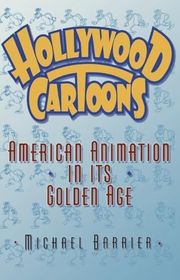
Hollywood Cartoons: American Animation in Its Golden Age
For readers seeking a history that reaches beyond Disney’s own account. Its detailed study of American studios connects working methods with artistic change, though the long historical narrative offers little step-by-step instruction for making animation.
What it's about
Michael Barrier examines the development of American studio animation, following Disney, Warner Bros., and their contemporaries. Drawing on interviews and archival research, he considers how artists, production practices, and studio decisions shaped animated cartoons during their formative decades.

Timing for Animation
For animators whose actions feel weightless, rushed, or slow. Its focused treatment makes timing decisions easier to isolate than in general manuals, but it assumes you will test the examples through your own animated exercises.
What it's about
Harold Whitaker and John Halas explain how timing gives animated movement weight, mood, and dramatic effect. Illustrated examples address the number, spacing, and duration of drawings, showing how animators shape motion and coordinate actions with speech and storytelling.

Character Animation Crash Course!
For animators ready to give technically sound movement more personality. Goldberg brings acting and cartoon design together in a compact visual guide, though readers needing exhaustive timing exercises will want a more detailed companion.
What it's about
Eric Goldberg combines instructional drawings with explanations of character animation techniques. He examines acting, design, staging, timing, spacing, weight, and facial expression, showing how these elements work together to give animated characters personality and make their movements convincing.
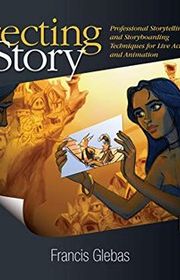
Directing the Story: Professional Storytelling and Storyboarding Techniques for Live Action and Animation
For animators ready to plan a complete scene rather than individual movements. Its emphasis on visual storytelling and audience attention fills a gap in character manuals, though it requires more sustained reading than a quick drawing reference.
What it's about
Francis Glebas explains how filmmakers organize images to communicate a story. Illustrated examples connect storyboarding, staging, composition, and the viewer’s attention, showing how visual decisions shape emotion and clarify action in animation and live action.

For artists who want livelier poses and sharper observation. The collected lectures connect gesture drawing with character performance more closely than the timing manuals, but their reflective format is less direct than a structured exercise course.
What it's about
The first volume of Walt Stanchfield's Disney lectures, edited by Don Hahn, explores gesture drawing and observation for animation. Illustrated lessons examine how artists capture movement, weight, and the essence of a pose, alongside reflections on creativity and artistic practice.

For readers who already enjoy Stanchfield’s approach and want more drawing prompts and observations. It extends the first volume’s practice rather than introducing a new method, so beginners can comfortably start with Volume 1.
What it's about
This second volume continues Walt Stanchfield's collected teaching notes from his years mentoring Disney artists. Edited by Don Hahn, the illustrated lectures develop his ideas about gesture, observation, and expressive drawing, linking animation practice with broader reflections on art and life.
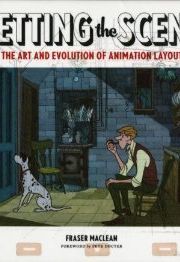
Setting the Scene: The Art & Evolution of Animation Layout
For artists interested in the spaces and compositions that support animated performances. It gives layout a fuller historical and visual treatment than the character books here, but it is less suited to learning movement through exercises.
What it's about
Fraser MacLean traces the development of animation layout through studio artwork, production examples, and interviews. The book explores how artists establish environments, perspective, composition, and camera placement to create the spaces in which animated stories unfold.

For artists whose figure drawings look stiff despite accurate anatomy. Its emphasis on rhythm and directional energy supports expressive animation poses, but it teaches drawing rather than shot planning, timing, or the production of finished animation.
What it's about
Mike Mattesi presents his FORCE approach to figure drawing, using rhythm, shape, and line to communicate energy and movement. Illustrated examples explain how to observe the body dynamically and translate that understanding into drawings for illustration, animation, and related work.
Sources
- 1
30 essential books about animation
bfi.org.uk
- 2
The best animation books
creativebloq.com
- 3
3 Animation Books Every Animator Should Own
bloopanimation.com
- 4
Animation Books You Should Read In 2026
blog.cg-wire.com
- 5
Animation Books
goodreads.com
- 6
Best book about learning animation with exercises ?
reddit.com
- 7
The Ultimate Guide to Animation for Beginners
animationmentor.com
- 8
What are some history books about the animation industry you would recommend
reddit.com






Edited by
Software engineer whose passion for tracking book recommendations from podcasts inspired the creation of MRB.
Lead investor at 3one4 Capital whose startup expertise and love for books helped shape MRB and its growth.
Comments
Spotted a missing book, a wrong order or a mistake? Tell us and we'll fix this page.
We're a reading guide, not the author or publisher, so we can't send books or pass on messages.