
7 Best Hydroponics Books
The best hydroponics books, ranked by how many expert sources recommend each one, with notes on beginner projects, plant nutrition and larger growing systems.
Our take
Hydroponics replaces soil with a managed supply of water, nutrients and support for roots. The system can be simple, but good results still depend on understanding the plants, their environment and the work needed to keep everything running. The most useful book therefore depends on whether you want to build equipment, care for a first crop or investigate a recurring problem.
How-To Hydroponics and DIY Hydroponic Gardens emphasize practical construction. Hydroponics, by Andy Jacobson, provides a shorter introduction for home growers. Howard Resh’s Hobby Hydroponics develops the cultivation side, while his Hydroponic Food Production offers a much more substantial reference. John Mason’s Commercial Hydroponics looks across crops and production considerations. The other Hydroponics here, by J. Benton Jones Jr., takes a more technical approach to soilless growing.
Start with a practical introduction that matches your space and intended crops. Move to a detailed reference when you have a working system and specific questions to investigate.
7 books · 7 sources · Last updated
As an Amazon Associate, we earn from qualifying purchases (at no extra cost to you).
How to choose from this list
Skip to the full rankingIf you want to build a first system: DIY Hydroponic Gardens → How-To Hydroponics
If you want to understand home crop care: Hobby Hydroponics
If you want an advanced growing reference: Hobby Hydroponics → Hydroponic Food Production
If you want to compare production crops: Commercial Hydroponics → Hydroponic Food Production
The 7 books, ranked
Ranked by how many expert sources name each book. Ties go to the book more people recommend.
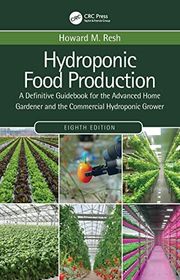
Hydroponic Food Production
For growers who have practical experience and want a deeper reference for nutrition, systems and crop production. Its breadth supports serious troubleshooting and larger operations, though the technical density and length make it a demanding first book.
What it's about
Howard M. Resh explains hydroponic cultivation for advanced home gardeners and commercial growers. The book covers plant nutrition, growing systems, environmental conditions and crop management, connecting the science of soilless culture with the operation of productive growing facilities.
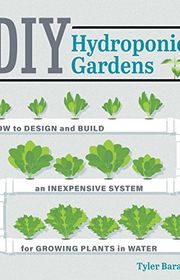
DIY Hydroponic Gardens
For beginners who learn by making and testing a working project. Its range of illustrated builds gives practical alternatives to buying a ready-made system, though materials, tools and ongoing maintenance still need planning for your own space.
What it's about
Tyler Baras presents plans for building and maintaining home hydroponic gardens. Illustrated projects use different system designs, accompanied by guidance on equipment, lighting, nutrient solutions and crop selection to connect construction with the needs of growing plants.

How-To Hydroponics
For growers who want to build a system rather than only compare commercial kits. Its construction plans and photographs make the practical work easier to follow, though older component and lighting examples may need adapting to what is available now.
What it's about
Keith Roberto introduces hydroponic gardening through practical explanations, construction plans, and photographs. Readers learn about plant growth, seeds, cuttings, and growing environments, alongside instructions for building and operating different hydroponic systems from relatively inexpensive materials for indoor or outdoor gardens.

For beginners who want a short explanation of home hydroponics before committing to a setup. Its simple approach makes the basic choices less intimidating, though growers seeking detailed nutrient chemistry or commercial planning will need a more substantial reference.
What it's about
Andy Jacobson introduces growing herbs, vegetables, and other plants at home without soil. Explanations, diagrams, and practical guidance cover the foundations of hydroponics and creating a growing system, helping beginners connect basic principles with the work of managing their own garden.

For growers comparing crops and considering production beyond a small hobby setup. Its crop-oriented coverage helps connect cultivation with commercial questions, though the breadth gives less hand-holding for a first home system and market conditions require independent checking.
What it's about
John Mason explains growing plants in hydroponic systems, with attention to the requirements of different crops. Practical guidance connects system choices and cultivation methods with domestic and commercial growing, including considerations for managing crops and assessing their commercial viability.

Hobby Hydroponics
For home growers who want plant care explained alongside system choices. Its attention to nutrition, growing conditions and crop training gives more depth than a brief overview, though the technical detail can slow readers who mainly want building instructions.
What it's about
Howard Resh introduces hydroponic systems for hobby growers, explaining how to start plants and care for them. Crop choices, nutrition, growing conditions, and training techniques accompany descriptions of water and soilless systems, helping readers understand the requirements of home cultivation.

For growers who want to understand the requirements behind successful soilless cultivation. Its tables and nutrient formulations support more analytical problem-solving, though the reference style assumes patience and is less approachable than a project-based introduction.
What it's about
J. Benton Jones explains the requirements of hydroponic and soilless growing, beginning with plant growth and nutrition. Tables, figures, and nutrient formulations support discussions of growing systems, greenhouse design, and crop management, including the advantages and limitations of different approaches.
Sources
- 1
Best Hydroponics Books for Beginners and Beyond
hydroponicadvice.com
- 2
In-depth books to learn about hydroponics at an advanced level
scienceinhydroponics.com
- 3
hydroponics and aquaponics
goodreads.com
- 4
Learning Resource List
reddit.com
- 5
Article or book recommendations for someone who wants to explore hydroponics
reddit.com
- 6
5 Great Hydroponic Books For Beginners
nosoilsolutions.com
- 7
The 8 Best Hydroponic Books for Beginners
thehydroponicsplanet.com







Edited by
Software engineer whose passion for tracking book recommendations from podcasts inspired the creation of MRB.
Lead investor at 3one4 Capital whose startup expertise and love for books helped shape MRB and its growth.
Comments
Spotted a missing book, a wrong order or a mistake? Tell us and we'll fix this page.
We're a reading guide, not the author or publisher, so we can't send books or pass on messages.