
14 Best Beekeeping Books
The best beekeeping books, ranked by how many expert sources recommend each one, with notes for choosing beginner guides, hive references, and books on bee biology.
Our take
Beekeeping books can help you understand the work of caring for a colony, choose a management approach, or look more closely at the insects themselves. A practical guide explains equipment, inspections, seasonal tasks, and common problems. A biology book explains the behavior behind those tasks, while a natural-history study may be absorbing without telling you how to run an apiary.
The Backyard Beekeeper and Beekeeping For Dummies offer approachable starting points. The Beekeeper's Handbook provides a more systematic reference, and The Beekeeper's Problem Solver is organized around difficulties you may encounter. Natural Beekeeping and Top-Bar Beekeeping present particular approaches that deserve comparison with local conditions and other management practices. For deeper understanding, Honey Bee Biology and Beekeeping links science with practice, while Honeybee Democracy examines collective decisions. Start with The Backyard Beekeeper for a visual introduction, then use The Beekeeper's Handbook as your questions become more detailed.
14 books · 10 sources · Last updated
As an Amazon Associate, we earn from qualifying purchases (at no extra cost to you).
How to choose from this list
Skip to the full rankingIf you're preparing for your first hive: The Backyard Beekeeper → The Beekeeper's Handbook
If you want a broad beginner reference: Beekeeping For Dummies
If you want help investigating problems: The Beekeeper's Problem Solver
If you want biology connected with practice: Honey Bee Biology and Beekeeping
If you want to understand colony behavior: Honeybee Democracy → The Lives of Bees
If you're considering top-bar hives: Top-Bar Beekeeping
The 14 books, ranked
Ranked by how many expert sources name each book. Ties go to the book more people recommend.

Beekeeping For Dummies
For readers who want an approachable overview before choosing equipment and getting bees. Its broad, clearly organized coverage makes it useful for revisiting basics, though it offers less biological depth than the specialist textbooks here.
What it's about
Howland Blackiston introduces backyard beekeeping through explanations of equipment, colony care, and honey production. The guide covers getting started, handling bees, maintaining hives, and seasonal inspections, helping readers understand the ongoing work involved in keeping productive colonies.

The Backyard Beekeeper
An Absolute Beginner's Guide to Keeping Bees in Your Yard and Garden
For beginners who want a visually guided introduction to keeping colonies at home. Flottum connects practical tasks with everyday hive care, though local conditions and the edition's treatment information still matter when applying the examples.
What it's about
Kim Flottum introduces keeping bees in yards and gardens, covering colony setup, hive placement, ongoing care, and honey harvesting. The guide discusses swarm control, top-bar hives, pest management, and feeding, providing practical explanations for managing bees in urban and rural settings.

Honey Bee Biology and Beekeeping
For students and committed beekeepers who want biology connected with colony management. The textbook approach gives practical choices a scientific foundation, though the depth and terminology make it a larger commitment than a beginner's seasonal guide.
What it's about
Dewey Caron and Lawrence Connor connect honey bee biology with the science and practice of beekeeping. Written for students and beekeepers, the textbook develops an understanding of bees that supports colony management, bringing biological principles and practical apiculture into one reference.

Honeybee Democracy
For readers curious about how colonies make collective decisions. Seeley's account of research gives swarming behavior depth and clarity, though it is a focused study of animal behavior rather than a manual for managing your own hives.
What it's about
Thomas Seeley examines how honeybee swarms choose new homes through collective decision-making. Drawing on decades of research, the illustrated account follows scouting, communication, and consensus, exploring what these processes reveal about animal behavior and the possibilities of group intelligence.

The Beekeeper's Handbook
For readers who prefer a systematic practical reference supported by clear illustrations. Its connection between bee biology and colony work helps explain decisions, though the technical detail and emphasis on standard hive management require more study than a visual introduction.
What it's about
Diana Sammataro and Alphonse Avitabile guide beekeepers through establishing an apiary, handling bees, and managing colonies across the seasons. Illustrated instructions connect equipment and bee biology with practical decisions, covering the work from initial setup through honey harvesting.

For readers who want an illustrated reference that extends beyond hive management. Its combination of history, practical material, recipes, and household uses makes it enjoyable to browse, though the breadth gives less space to a continuous beginner course.
What it's about
Richard Jones and Sharon Sweeney-Lynch combine beekeeping history, practical hive guidance, and recipes in an illustrated reference. Coverage moves from caring for colonies and harvesting honey to using honey and beeswax at home, connecting bee biology with human uses and traditions.

For readers interested in organic approaches and reducing reliance on synthetic treatments. Conrad explains the reasoning behind his management choices, though the approach needs careful comparison with local pest pressures rather than being treated as a universal formula.
What it's about
Ross Conrad presents an organic approach to beekeeping, connecting colony management with bee health and reduced reliance on synthetic treatments. The guide discusses pest management, hive choices, urban beekeeping, and selling honey, explaining the practices behind his approach to apiculture.

For beekeepers who want to investigate a particular difficulty. The problem-based organization makes it easier to locate relevant explanations, though it works better alongside basic knowledge than as a first, sequential account of setting up a colony.
What it's about
James Tew examines one hundred common beekeeping problems, explaining their causes and possible responses. Organized topics include equipment, colony behavior, queen management, pests, pollination, and honey processing, with photographs and practical guidance to help readers recognize and investigate trouble.
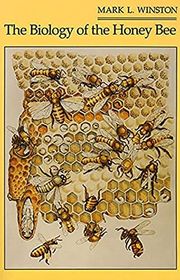
The Biology of the Honey Bee
For readers who want a sustained biological account rather than instructions for keeping hives. Winston connects anatomy, development, communication, and colony life, though the scientific emphasis and historical research context make it a companion to current practical guidance.
What it's about
Mark L. Winston surveys honey bee biology, from individual anatomy and development to social organization and communication. The book brings research together to explain how colonies function and how individual bees contribute to the life of a complex society.
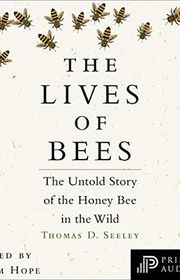
The Lives of Bees: The Untold Story of the Honey Bee in the Wild
For readers who want to compare managed colonies with bees living in the wild. Seeley gives natural behavior a wider ecological setting than a practical hive manual, though the research invites reflection rather than supplying a ready-made management system.
What it's about
Thomas D. Seeley examines how honey bee colonies live outside managed apiaries. Drawing on field research, he explores nesting, reproduction, foraging, and survival, considering what wild colonies reveal about the biology of bees and the conditions of modern beekeeping.

Homegrown Honey Bees
An Absolute Beginner's Guide to Beekeeping Your First Year, from Hiving to Honey Harvest
For visual learners who want to understand the rhythm of a first beekeeping year. Close-up photography and personal experience make colony life tangible, though one household's experience offers a narrower perspective than a general technical reference.
What it's about
Alethea Morrison follows the first year of backyard beekeeping, with close-up photographs by Mars Vilaubi revealing life inside the hive. The guide covers colony behavior, equipment, and seasonal challenges, combining practical advice with the couple's experiences tending their own bees.

For readers exploring Michael Bush's approach who want the introductory volume separately. Its practical suggestions introduce a particular management philosophy, though it covers only part of the larger work and benefits from comparison with other approaches.
What it's about
Michael Bush introduces his approach to natural beekeeping in the beginning section of his larger practical guide. This first volume organizes material from his beekeeping website into an illustrated resource for readers starting to explore his methods and choices.

For readers specifically interested in horizontal top-bar hives. Crowder and Harrell connect that equipment choice with their approach to colony health and management, though its specialized methods transfer less directly to the standard framed hives covered elsewhere.
What it's about
Les Crowder and Heather Harrell explain beekeeping with top-bar hives through their organic approach to colony care. The guide covers getting started, hive management, bee capture, breeding, selection, and honey processing, comparing practices while emphasizing the needs of the bees.

For beginners who want an illustrated introduction to caring for their first hive. Phillips keeps the focus on accessible explanations and practical tasks, though readers seeking detailed scientific background or an extensive troubleshooting reference will need a more specialized companion.
What it's about
Tanya Phillips guides beginners through setting up a colony, caring for bees, and harvesting honey. Photographs and practical explanations cover hive health, common problems, and approaches to colony management, connecting the work of beekeeping with its benefits in a backyard garden.
Sources
- 1
5 Best Beekeeping Books of 2026 (From $16) | BeehiveKits
beehivekits.com
- 2
12 Best Beekeeping Books
beekeepingfornewbies.com
- 3
Best Beekeeping Books for Beginners & Pros (2026) | Hive Registry | Hive Registry
hiveregistry.com
- 4
Bee-ginner’s Beekeeping Recommended Reading – Rutgers NJAES Office of Continuing Professional Education
cpe.rutgers.edu
- 5
Master Beekeeping Resources - Eastern Apicultural Society
easternapiculture.org
- 6
Beekeeping Books
goodreads.com
- 7
Reading | Bee Lab
beelab.umn.edu
- 8
Recommended Reading? : r/Beekeeping
reddit.com
- 9
Bee keeping books : r/Beekeeping
reddit.com
- 10
Beekeeping Books - Rolla Bee Club
rollabeeclub.com







Edited by
Software engineer whose passion for tracking book recommendations from podcasts inspired the creation of MRB.
Lead investor at 3one4 Capital whose startup expertise and love for books helped shape MRB and its growth.
Comments
Did we miss something? Have feedback?
Help us improve this page by sharing your thoughts