
12 Best Dating Advice Books
The best dating advice books, ranked by how many expert sources recommend each one, with notes for singles, new couples, and readers seeking firmer boundaries.
Our take
Dating advice books address different problems: meeting people, recognizing mutual interest, understanding your own patterns, and deciding whether a relationship has a future. A book aimed at first dates won't necessarily help an established couple discuss money or commitment. These choices range from direct rules and personal anecdotes to psychological frameworks, exercises, and a wider look at modern dating culture.
Attached provides language for closeness and reassurance, while How to Not Die Alone asks you to examine expectations and habits that influence partner choice. He's Just Not That Into You takes a blunt approach to inconsistent interest. Models addresses men dating women through honesty and personal growth, and Eight Dates gives couples conversations to work through together. Several older titles assume traditional heterosexual roles, so consider whether their assumptions reflect your life.
Start with your current difficulty: recognizing interest, changing a repeated pattern, or having a clearer conversation with someone you're already seeing.
12 books · 9 sources · Last updated
As an Amazon Associate, we earn from qualifying purchases (at no extra cost to you).
How to choose from this list
Skip to the full rankingIf you want to change your dating habits: How to Not Die Alone
If you repeat anxious relationship patterns: Attached
If you keep explaining away disinterest: He's Just Not That Into You
If you're a man seeking a more honest approach: Models
If you're discussing a future together: Eight Dates
If you want context on modern dating: Modern Romance
The 12 books, ranked
Ranked by how many expert sources name each book. Ties go to the book more people recommend.

Attached
The New Science of Adult Attachment and How It Can Help You Find - and Keep - Love
For readers who recognize repeated pursuit-and-withdrawal patterns in dating. Its attachment framework gives more language for emotional needs than a rules-based manual, though its three broad categories can oversimplify individuals and changing relationships.
What it's about
Amir Levine and Rachel Heller explain adult attachment through anxious, avoidant, and secure relationship patterns. Exercises and examples help readers examine their own behavior and their partners' responses, with guidance for communication and building stronger connections.
Also recommended by
1 person Kathryn Minshew recommended this book
Kathryn Minshew
Most Recommended Books reached out to Kathryn Minshew directly.
Kathryn Minshew's recommendation of this book

Modern Romance
For readers who want context for the frustrations of dating with abundant choice. Its mix of comedy and social research is broader than a personal advice manual, though its technology examples reflect an earlier period of app dating.
What it's about
Aziz Ansari and sociologist Eric Klinenberg investigate how dating and relationships have changed through technology and shifting expectations. Interviews, surveys, and observations from several countries support a humorous exploration of choice, frustration, and the search for connection.
Also recommended by
1 person Emma Watson recommended this book
Emma Watson
On the "books read" section of Emma Watson's GoodReads profile.
Emma Watson's recommendation of this book

For readers who keep explaining away inconsistent interest. Its direct focus on observable behavior can be clearer than analyzing every message, though its absolute rules leave limited room for context, different communication styles, or mutual discussion.
What it's about
Greg Behrendt and Liz Tuccillo offer blunt, humorous dating advice about recognizing a man's lack of interest. Through questions and examples, they challenge excuses for unreliable behavior and encourage readers to stop investing in relationships that do not meet their needs.
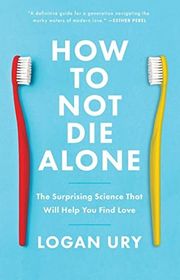
For singles who want a structured way to question their dating habits and partner criteria. Its exercises offer more practical direction than a social history, though the optimization approach may feel too procedural for some readers.
What it's about
Logan Ury examines common obstacles to finding and sustaining a relationship, from unrealistic expectations to decision-making habits. She offers exercises and advice on meeting people, evaluating dates, choosing a partner, and approaching commitment more deliberately.

Men Are from Mars, Women Are from Venus
The Classic Guide to Understanding the Opposite Sex
For readers who like simple metaphors for differences in communication and stress responses. Its memorable framework can prompt discussion, though it treats men and women as more uniform groups than many readers will recognize.
What it's about
Using a planetary metaphor, John Gray presents his account of differences in how men and women communicate, respond to stress, and express affection. He offers relationship strategies intended to reduce misunderstandings and improve emotional support between partners.

Act Like a Lady, Think Like a Man
What Men Really Think About Love, Relationships, Intimacy, and Commitment
For women who prefer blunt, anecdotal advice about commitment and expectations. Harvey's conversational style is easier to dip into than a psychology-led guide, though its generalizations about men and traditional gender roles need questioning.
What it's about
Steve Harvey offers women his perspective on men's attitudes toward dating, intimacy, and commitment. Using humor and anecdotes from his own relationships, he discusses expectations, boundaries, and evaluating a partner's intentions, presenting a personal framework for navigating romantic relationships.

For couples deciding whether and how to build a future together. Its guided conversations turn compatibility into something you can discuss directly, though it assumes you already have a willing partner rather than helping you meet one.
What it's about
John and Julie Gottman, with Doug and Rachel Abrams, offer eight structured dates for conversations about trust, conflict, sex, money, family, adventure, spirituality, and dreams. Questions and practical guidance help couples discuss their needs and expectations.

For men who want dating advice centered on honesty and vulnerability. Its emphasis on personal growth gives a different starting point from scripted persuasion, though its male heterosexual perspective and blunt language limit its audience.
What it's about
Mark Manson presents dating advice centered on honesty, vulnerability, and emotional development. He argues that improving how men understand and express themselves matters more than rehearsed techniques, connecting romantic attraction with a more authentic personal life.

Never Chase Men Again
38 Dating Secrets to Get the Guy, Keep Him Interested, and Prevent Dead-End Relationships
For women who want firmer boundaries around one-sided pursuit. Its concise principles are easier to revisit than a long relationship study, though the gender-specific rules can make mutual connection sound like managing another person's interest.
What it's about
Bruce Bryans presents dating advice centered on self respect, assertiveness, and personal boundaries. His thirty eight principles address evaluating men's behavior, communicating expectations, and recognizing relationships that conflict with a woman's values and desired commitment.

For women who respond to provocative encouragement to stop accepting poor treatment. Its emphatic tone makes boundaries memorable, though the adversarial framing of men and women can work against the cooperation a lasting relationship needs.
What it's about
Kara King presents twelve principles for women navigating dating and relationships with men. Her advice emphasizes self respect, recovering from breakups, commanding respect, and pursuing commitment through changes in how readers approach romantic interactions.

For women who lose their independence while trying to please a partner. Its scenarios make self-respect more concrete than abstract reassurance, though the combative title and broad claims about male attraction can distract from that useful theme.
What it's about
Sherry Argov argues for independence and self respect in romantic relationships. Advice, everyday scenarios, comparison tables, and her attraction principles explore setting boundaries, responding to men's behavior, and retaining a sense of self while dating.

For readers who want Christian faith to guide dating and commitment. Its explicit biblical framework distinguishes it from the secular advice here, though readers seeking a research-led approach or a different faith perspective may find less fit.
What it's about
Michael Todd draws on his Christian sermons to discuss dating, marriage, sex, and friendship. He examines intentional relationships, moving beyond past mistakes, strengthening love after marriage, and considering biblical teachings when setting relationship goals.
Sources
- 1
10 Best Dating Books For Women
forgettingfairytales.com
- 2
9 Books That Changed My Love Life
crackliffe.com
- 3
Dating Books
goodreads.com
- 4
100 Best Dating Books of All Time
shortform.com
- 5
The best books on Dating
fivebooks.com
- 6
Books on learning how to... Date?
reddit.com
- 7
The 10 Best Dating Books for Women (Ranked & Reviewed)
thepowermoves.com
- 8
Resources & links
rachelnewdatingcoach.co.uk
- 9
Good dating books like Models by Mark Manson?
reddit.com


Edited by
Software engineer whose passion for tracking book recommendations from podcasts inspired the creation of MRB.
Lead investor at 3one4 Capital whose startup expertise and love for books helped shape MRB and its growth.
Comments
Spotted a missing book, a wrong order or a mistake? Tell us and we'll fix this page.
We're a reading guide, not the author or publisher, so we can't send books or pass on messages.