
10 Best PHP Books
The best PHP books, ranked by expert source recommendations, with notes to help you choose beginner tutorials, database projects, language references, and recipes.
Our take
PHP books can teach the language itself, show how it connects to a database, or help you organize a complete web application. The right starting point depends on whether you already program and whether you prefer visual explanations, a continuing project, or short solutions to individual problems. Edition and version coverage matter because older examples may need changes before they run in a newer environment.
For a newer hands-on introduction, try PHP Crash Course. Jon Duckett’s PHP & MySQL offers a visual approach, while PHP & MySQL: Novice To Ninja follows a larger project; check the edition before buying. Learning PHP, MySQL & JavaScript broadens the course to browser technologies, so it trades depth in one language for a connected view of website development. Once you can write small programs, Mann’s PHP Cookbook is better used as a working reference than read straight through. Start with one introductory course and build its examples before adding a second book.
10 books · 9 sources · Last updated
As an Amazon Associate, we earn from qualifying purchases (at no extra cost to you).
How to choose from this list
Skip to the full rankingIf you want a newer hands-on first course: PHP Crash Course
If you want Duckett’s visual introduction: PHP & MySQL
If you want a continuing database project: PHP & MySQL: Novice To Ninja
If you want browser and server technologies together: Learning PHP, MySQL & JavaScript
If you want a concise first pass: Learn PHP in One Day and Learn It Well
If you want solutions while developing: PHP Cookbook
The 10 books, ranked
Ranked by how many expert sources name each book. Ties go to the book more people recommend.

For beginners who want to see browser and server technologies work together. Its broad website-building route puts PHP in context, though covering several languages leaves less room for depth in PHP itself and makes edition choice important.
What it's about
Robin Nixon combines PHP, MySQL, JavaScript, CSS, HTML5, and related libraries in a practical introduction to dynamic websites. Lessons cover databases, authentication, browser interactions, and responsive design, culminating in a social networking project for desktop and mobile use.

For learners who want PHP and a database tied together through a substantial project. The content-management example gives the lessons continuity, though the linked edition is older than the PHP 8.1 seventh edition, so check which version you obtain.
What it's about
Tom Butler introduces PHP and MySQL through the construction of a working content management system. Examples progress from installation and language basics to relational database design, structured programming, objects, user accounts, sessions, and managing dynamic website content.

For programmers who want a structured tour of the language and common web features. It works well for revisiting individual topics, though this edition covers PHP 7.4 and needs supplementation for later language changes.
What it's about
Kevin Tatroe and Peter MacIntyre explain PHP language fundamentals and techniques for building dynamic web applications. Examples cover functions, objects, forms, databases, cookies, sessions, and generated documents, with further discussion of security, error handling, and performance.

The Joy of PHP
A Beginner's Guide to Programming Interactive Web Applications with PHP and mySQL
For beginners who want a continuing business example to connect lessons. The dealership project makes database-driven pages concrete, though its older examples need checking against current PHP behavior before you use the techniques in a live application.
What it's about
Alan Forbes introduces PHP and MySQL through a continuing project for a used car dealership. Starting with basic HTML and simple scripts, the lessons progressively add dynamic features, giving beginners a concrete setting for learning interactive web application programming.

For learners who benefit from exercises, pictures, and repeated explanation. Its active teaching style gives the fundamentals several chances to stick, though the older environment and examples require adaptation rather than straightforward use as a current PHP course.
What it's about
Lynn Beighley and Michael Morrison teach dynamic website development through PHP and MySQL using visual explanations, exercises, and practical examples. Lessons progress from programming and database fundamentals to forms, validation, sessions, cookies, queries, joins, and file operations.

For readers who learn best through visual explanations and small, concrete examples. The illustrated layout makes server-side concepts easier to navigate, though it is a large introductory book rather than a compact reference for experienced developers.
What it's about
Jon Duckett introduces server-side web development through PHP and MySQL, using visual explanations and practical code examples. Readers learn how scripts interact with databases and build features such as member accounts, editable articles, image uploads, profiles, and comments.

Learn PHP in One Day and Learn It Well
The Only Book You Need to Start Coding in PHP Immediately
For learners who want a short first pass through syntax and a small project. The compact progression helps connect basic concepts quickly, though the title’s timetable should not be taken as the time needed to become proficient.
What it's about
Jamie Chan introduces PHP through concise lessons on variables, control structures, functions, objects, databases, and error handling. A concluding mini-blog project combines server setup, forms, security, and MySQL access, showing how the separate concepts fit into a working application.

Murach's PHP and MySQL
For readers who prefer step-by-step instruction that can later serve as a reference. The application-based approach links programming with database work, though editions differ in tooling and version coverage, so match the copy to your environment.
What it's about
Joel Murach and Ray Harris explain how PHP and MySQL work together in database-driven websites. Tutorials develop a complete application and introduce the programming and database skills needed to build web features, with material organized for both learning and reference.
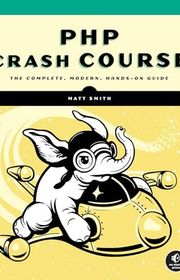
PHP Crash Course
For beginners who want a newer, substantial hands-on route through PHP. It connects fundamentals with patterns, security, and database integration, though the breadth calls for steady practice rather than treating it as a quick skim.
What it's about
Matt Smith introduces PHP through a progression from language fundamentals to database integration, object-oriented programming, application patterns, and security. Examples and exercises connect individual concepts with the practical work of building and organizing web applications.
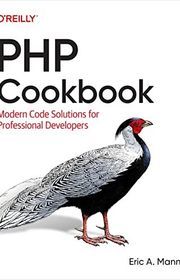
PHP Cookbook: Modern Code Solutions for Professional Developers
For developers who want focused solutions while working rather than a linear first course. Its self-contained recipes cover modern PHP through version 8.1, though later releases require additional reference material and recipes still need adaptation to your application.
What it's about
Eric A. Mann presents self-contained recipes for recurring PHP development problems using language features through version 8.1. The examples show complete solutions and explain their use, giving developers a practical reference for adapting techniques to their own projects.
Sources
- 1
Top 6 Best Books to Learn PHP
geeksforgeeks.org
- 2
10 Best PHP Books for Beginners & Advanced Programmers
cloudways.com
- 3
15 Best PHP Books to Learn Core PHP, Frameworks, and More
wpshout.com
- 4
A List of The Best PHP Books for Beginners
sitepoint.com
- 5
Php Books
goodreads.com
- 6
Best PHP Books 2026
reactdom.com
- 7
Books for Learning PHP
conradhalling.com
- 8
PHP: The Right Way
phptherightway.com
- 9
Recommend any newer PHP books?
reddit.com




Edited by
Software engineer whose passion for tracking book recommendations from podcasts inspired the creation of MRB.
Lead investor at 3one4 Capital whose startup expertise and love for books helped shape MRB and its growth.
Comments
Did we miss something? Have feedback?
Help us improve this page by sharing your thoughts