
9 Best Home Buying Books
The best home buying books, ranked by how many expert sources recommend each one, with notes to help first-time buyers choose process guides and references.
Our take
Buying a home brings together decisions about money, location, a building’s condition, and the steps of a property transaction. The books here approach those decisions in different ways. Most focus on the United States, and their examples, mortgage discussions, and legal explanations reflect their editions rather than every current local situation.
For a broad introduction, Nolo’s Essential Guide to Buying Your First Home and Home Buying Kit For Dummies follow the process from preparation toward closing. 100 Questions Every First-Time Home Buyer Should Ask uses a question-led format for exploring unfamiliar decisions. Home Buyer’s Checklist concentrates on what to notice about a property, while The Mortgage Encyclopedia provides a reference for financing language and concepts. Other guides organize the subject around common mistakes or the parts of a transaction.
Start with one general guide, then add a focused reference for the questions it raises. Match the edition and country coverage to the purchase you are considering.
9 books · 8 sources · Last updated
As an Amazon Associate, we earn from qualifying purchases (at no extra cost to you).
How to choose from this list
Skip to the full rankingIf you're buying your first US home: Nolo's Essential Guide to Buying Your First Home
If you prefer an accessible overview: Home Buying Kit For Dummies
If you learn through questions: 100 Questions Every First-Time Home Buyer Should Ask
If you want a property-viewing checklist: Home Buyer's Checklist
If you need mortgage terminology: The Mortgage Encyclopedia
If you want to examine common oversights: The 106 Common Mistakes Homebuyers Make
The 9 books, ranked
Ranked by how many expert sources name each book. Ties go to the book more people recommend.
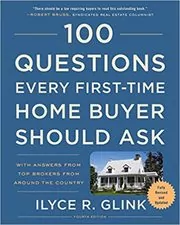
100 Questions Every First-Time Home Buyer Should Ask
With Answers from Top Brokers from Around the Country
For first-time buyers who prefer finding answers through specific questions. Its question-led structure makes an unfamiliar process easier to explore, though broad US guidance cannot cover every local market, property type, or financing arrangement.
What it's about
Ilyce Glink answers common and overlooked questions about purchasing a first home. This fourth edition follows the journey from open houses to moving day, examining brokers, pricing, financing, negotiations, and other decisions that arise along the way.
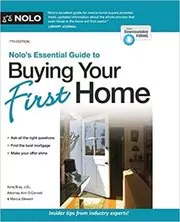
Nolo's Essential Guide to Buying Your First Home
For US first-time buyers who want a substantial process guide with checklists and explanations. Its practical treatment of documents and transaction steps provides useful depth, though state differences and edition dates make current local advice important.
What it's about
Ilona Bray, Ann O'Connell, and Marcia Stewart guide first-time buyers through finding and purchasing a home. This seventh edition combines practical explanations with checklists and forms, addressing financing, property selection, negotiations, repairs, and the steps toward closing.
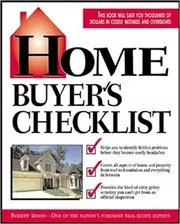
Home Buyer's Checklist
Everything You Need to Know--but Forget to Ask--Before You Buy a Home
For buyers who want to notice physical details and ask better questions during property visits. Its inspection-focused format complements broad buying guides, though an older checklist cannot replace a qualified inspection or current estimates of repair costs.
What it's about
Robert Irwin organizes questions about a property's physical condition from basement to attic and beyond. The guide explores problems buyers might overlook, discussing repair costs and potential consequences as factors to consider during inspection and purchase negotiations.
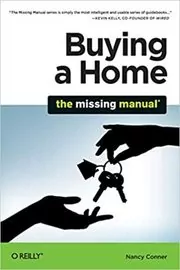
For first-time buyers who want the transaction broken into manageable decisions. Its forms and stepwise presentation make the process concrete, though the older US-focused guidance needs checking against current local practices and lending conditions.
What it's about
Nancy Conner explains home buying as a sequence of practical decisions from the initial search to closing. Advice and fill-in forms help readers consider neighborhoods, assess properties, determine an offer, and work through the purchase process.
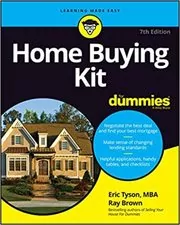
Home Buying Kit For Dummies
For buyers who prefer an accessible overview of finances, properties, and the transaction team. Its broad coverage provides a starting map, though readers with a specific mortgage or contract question will need more detailed, current guidance.
What it's about
Eric Tyson and Ray Brown explain the home-buying process from financial preparation through closing. This seventh edition discusses mortgages, selecting a real estate team, evaluating properties, inspections, and transaction costs, offering a structured introduction for prospective buyers.
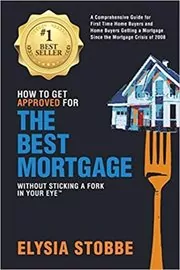
For US buyers who find the mortgage application process confusing. Its focus on paperwork, lending terminology, and approval makes it more concentrated than a general buying guide, though programs and requirements have changed since publication.
What it's about
Elysia Stobbe explains the mortgage application process for first-time buyers and those returning after the housing crisis. The guide covers loan types, choosing a lending professional, paperwork, fees, and mortgage insurance, clarifying the steps involved in seeking approval.
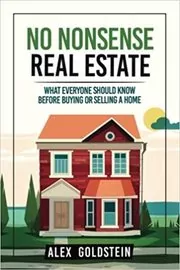
For readers who want buying and selling explained within one transaction-focused framework. Its case-study approach connects separate decisions, though the broad perspective gives less detail on specialized financing or property-condition questions.
What it's about
Alex Goldstein explains buying and selling homes through practical discussions of agents, housing economics, financing, and negotiation. A case study connects contracts, closing costs, and transaction steps, helping readers see how the parts of a property deal fit together.
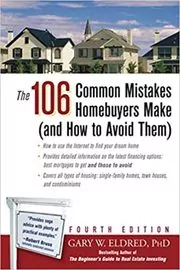
For buyers who learn best by challenging assumptions and checking for common oversights. Its mistake-based structure encourages scrutiny at several stages, though the older examples and market context need adapting to the transaction in front of you.
What it's about
Gary Eldred organizes home-buying advice around recurring mistakes made by purchasers. This fourth edition discusses pricing, agents, neighborhoods, ownership costs, and negotiation, using practical examples to help first-time buyers examine assumptions before committing to a property.
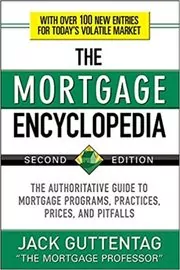
The Mortgage Encyclopedia
The Authoritative Guide to Mortgage Programs, Practices, Prices and Pitfalls
For readers who want mortgage terms and concepts available as a reference. Its topic-by-topic format helps with unfamiliar vocabulary, though this older edition describes products and practices that require confirmation against current lending rules.
What it's about
Jack Guttentag explains mortgage terminology, products, and lending practices in a reference format. This second edition addresses issues raised by the 2007 housing crisis, helping readers understand the options, costs, and potential pitfalls involved in financing a home.
Sources
- 1
9 Books to Read Before Buying Your First Home
smartasset.com
- 2
Home Buying - Real Estate - Research Guides at New York Public Library Research Centers
libguides.nypl.org
- 3
First-Time Homebuyers
nar.realtor
- 4
Home Buying Books
goodreads.com
- 5
9 Best Books to Read Before Buying a Home
moneycrashers.com
- 6
Best Real Estate Books for Buying, Selling, and Investing in 2026
homelight.com
- 7
Reputable and up to date book recommendations?
reddit.com
- 8
The Best Real Estate Books For First-Time Home Buyers
fatherly.com

Edited by
Software engineer whose passion for tracking book recommendations from podcasts inspired the creation of MRB.
Lead investor at 3one4 Capital whose startup expertise and love for books helped shape MRB and its growth.
Comments
Did we miss something? Have feedback?
Help us improve this page by sharing your thoughts