
15 Best Mutual Funds Books
The best mutual funds books, ranked by how many expert sources recommend each one, with notes on who each suits, from beginners to fund-industry professionals.
Our take
Mutual-fund books range from introductory guides for individual investors to technical accounts of how the industry operates. Some explain fees, diversification, and portfolio decisions; others examine active management, fund administration, or industry competition. The country and edition matter too. Indian and US guides discuss different products and rules, and older books are more useful for enduring concepts than current tax or account information.
Mutual Funds For Dummies offers a broad introduction, while Common Sense on Mutual Funds develops Bogle’s view of the industry and investing costs. Morningstar Guide to Mutual Funds concentrates on evaluation, and Indian Mutual Funds Handbook provides a more specialized market reference. Mutual Fund Industry Handbook addresses professional operations rather than personal portfolio choices. Start with a guide suited to your country and level, then compare the competing philosophies without treating any book’s return claims as promises.
15 books · 6 sources · Last updated
As an Amazon Associate, we earn from qualifying purchases (at no extra cost to you).
How to choose from this list
Skip to the full rankingIf you're new to fund investing: Mutual Funds For Dummies → Common Sense on Mutual Funds
If you want to understand index investing: The Little Book of Common Sense Investing → Bogle On Mutual Funds
If you want an Indian-market introduction: A Guide to Indian Mutual Fund Investments → Indian Mutual Funds Handbook
If you want to study fund evaluation: Morningstar Guide to Mutual Funds → Beating the Street
If you work in the fund industry: Mutual Fund Industry Handbook → The Mutual Fund Industry
The 15 books, ranked
Ranked by how many expert sources name each book. Ties go to the book more people recommend.
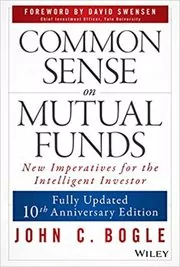
Common Sense on Mutual Funds
For readers who want an extended argument about costs, diversification, and the fund industry. Bogle connects portfolio choices with industry incentives, though the detailed historical discussion is heavier than a short beginner’s introduction.
What it's about
John Bogle examines mutual fund investing and the choices involved in constructing a portfolio. He argues for simplicity, broad diversification, and low costs while considering changes in the industry and the challenges posed by volatile markets.
Also recommended by
3 people Warren Buffett recommended this book
Warren Buffett
"Cogent, honest, and hard-hitting. A must read for every investor." - Warren Buffett
Warren Buffett's recommendation of this book  Mr. Money Mustache recommended this book
Mr. Money Mustache
"Read any book by [this author], the founder of Vangard." - MMM
Mr. Money Mustache's recommendation of this book  Peter Mallouk recommended this book
Peter Mallouk
"A book that I read when I was very young that I thought really kind of explained the investing world in plain English." - Peter Mallouk
Peter Mallouk's recommendation of this book
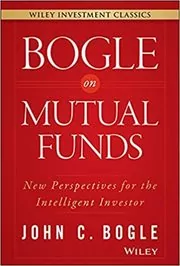
For readers who want Bogle’s mutual-fund principles in a more directly fund-focused framework. The attention to risks and costs helps organize comparisons, though the older market setting makes this a principles book rather than a current directory.
What it's about
John Bogle explains principles for building a diversified mutual fund portfolio. He examines investment risks, index funds, costs, and taxes, advocating a patient approach that accounts for the practical obstacles facing individual investors.
Also recommended by
1 person- Mr. Money Mustache recommended this book
Mr. Money Mustache
"Read any book by [this author], the founder of Vangard." - MMM
Mr. Money Mustache's recommendation of this book
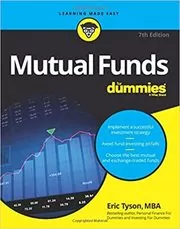
Mutual Funds For Dummies
For beginners who need fund terminology connected to ordinary financial goals. Tyson offers a broad, approachable starting point, though this edition’s tax details, product examples, and practical references need checking against current local information.
What it's about
Eric Tyson introduces mutual fund investing through explanations of fund selection, portfolio decisions, and ongoing evaluation. This seventh edition discusses costs, taxes, common investing mistakes, and sources of information, connecting investment choices with individual financial goals.
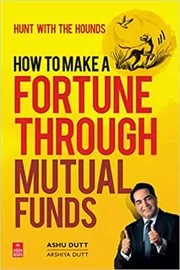
How to Make a Fortune Through Mutual Funds
For readers who want to examine an active approach to fund selection and timing. Ashu and Arshiya Dutt offer a contrast to Bogle’s philosophy, though the ambitious title should not be read as a dependable outcome.
What it's about
Ashu and Arshiya Dutt argue for actively timing and trading mutual fund investments rather than relying on long-term holding alone. Their book presents this approach within a discussion of diversified assets, market movements, and fund investing.
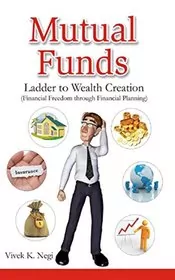
For beginners who want mutual funds placed within longer-term financial planning. Negi connects regular contributions with broader investment goals, though the broad treatment offers less detail on evaluating individual funds than the specialist references.
What it's about
Vivek Negi introduces mutual funds within a broader discussion of investment planning and wealth creation. He emphasizes regular contributions over time and diversification across asset classes, presenting funds as one route for pursuing long-term financial goals.
Mutual Funds Made Easy!
For readers who want a step-by-step overview before tackling specialist fund analysis. Perritt covers the main categories and practical decisions in one place, though the older tax and product context needs separate current verification.
What it's about
Gerald Perritt introduces mutual fund investing for beginners, explaining fund structures, categories, and investment strategies. His step-by-step guide addresses diversification, risk management, taxation, and selling, giving readers background for understanding how funds fit into a portfolio.
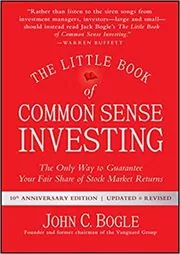
The Little Book of Common Sense Investing
The Only Way to Guarantee Your Fair Share of Stock Market Returns
For readers who want a concise explanation of low-cost index investing. Bogle develops one clear philosophy rather than surveying competing fund strategies equally, though the stock-market emphasis leaves other financial circumstances less fully explored.
What it's about
John Bogle makes the case for buying and holding broadly diversified, low-cost index funds. He explains how expenses affect investment results and develops a long-term approach to participating in the stock market.
Also recommended by
3 people- Warren Buffett recommended this book
Warren Buffett
"Investors – large and small – should [read this book]." - Warren Buffett
Warren Buffett's recommendation of this book  Charlie Munger recommended this book
Charlie Munger
"A useful contribution to [the author's] fellow citizens." - Charlie Munger
Charlie Munger's recommendation of this book - Mr. Money Mustache recommended this book
Mr. Money Mustache
"Read any book by [this author], the founder of Vangard." - MMM
Mr. Money Mustache's recommendation of this book
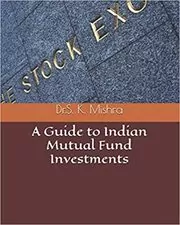
A Guide to Indian Mutual Fund Investments
For beginners seeking an introduction centered on the Indian mutual-fund market. Mishra explains operations and investment considerations with that audience in mind, though the compact guide cannot establish whether older regulatory details remain current.
What it's about
Susanta Kumar Mishra introduces India's mutual funds through their role in channeling savings into capital markets. His guide explains fund operations and compares risks and returns across products, helping prospective investors understand the pitfalls associated with these investments.
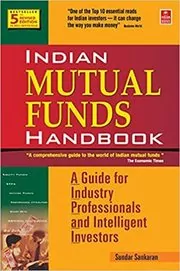
Indian Mutual Funds Handbook
A Guide for Industry Professionals and Intelligent Investors
For readers and professionals studying the mechanics of Indian mutual funds. Sankaran provides more operational detail than a general investing introduction, though this fifth edition’s regulations and product information may differ from current practice.
What it's about
Sundar Sankaran's fifth edition examines Indian mutual funds for investors and industry professionals. It explains fund categories, net asset value, expenses, performance, and investor protection, connecting operational mechanisms with portfolio decisions and the regulations covered in this edition.
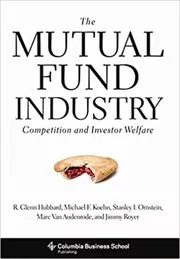
For readers studying fund-industry competition, adviser fees, and investor welfare. The economic model and empirical analysis offer a different level of scrutiny from consumer guides, though the academic approach is demanding and provides little beginner instruction.
What it's about
R. Glenn Hubbard and his coauthors analyze competition within the mutual fund industry using an economic model and empirical tests. They examine adviser fees, investor welfare, and competing arguments about whether market forces adequately protect fund investors.
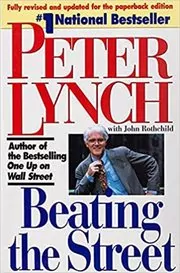
Beating the Street
For readers curious about the judgment behind active management and company research. Peter Lynch and John Rothchild provide a fund manager’s perspective, though much of the discussion concerns individual stocks rather than comparing mutual-fund products.
What it's about
Peter Lynch explains his approach to researching companies, selecting stocks, and building investment portfolios. Written with John Rothchild, the book combines his professional experience with practical discussions of mutual funds and the insights individual investors can develop themselves.
Also recommended by
1 person Bill Ackman recommended this book
Bill Ackman
One of 11 Books Bill Ackman told a young man to read before hiring him.
Bill Ackman's recommendation of this book
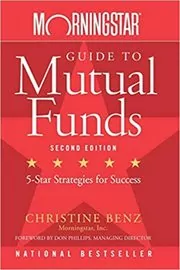
For readers ready to evaluate funds beyond recent returns. Benz organizes research and portfolio monitoring into a practical framework, though this edition reflects an earlier market and research environment rather than today’s available funds.
What it's about
Christine Benz explains Morningstar's approach to evaluating mutual funds and constructing a portfolio. This second edition emphasizes diversification, costs, research, and ongoing monitoring, providing a framework for assessing funds beyond their past performance or star ratings alone.
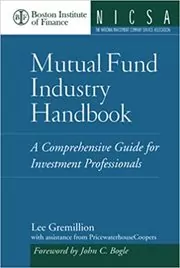
For industry entrants who need to understand how fund businesses operate. Gremillion gives accounting, administration, distribution, and service providers more attention than investor guides do, though the specialist detail and older context make it demanding.
What it's about
Lee Gremillion examines the mutual fund industry's organization and operations for investment professionals. Chapters cover portfolio management, accounting, distribution, shareholder records, customer service, and supporting providers, connecting individual functions with the workings of the broader business.
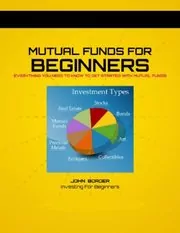
For readers who want a short first encounter with mutual-fund terminology and account decisions. Border keeps the scope manageable, though the compressed coverage and older practical references make it less useful for detailed comparisons.
What it's about
John Border introduces mutual funds for readers beginning to explore investing without choosing individual stocks. The short guide discusses setting up an account, factors affecting investment choices, and regulation, drawing on the author's own investing experience.
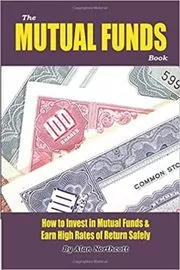
The Mutual Funds Book
How to Invest in Mutual Funds & Earn High Rates of Returns Safely
For beginners who want fund structure, selection, and practical terminology explained together. Northcott offers a broad orientation, though the subtitle’s promise about high returns and safety should be treated critically rather than as an assurance.
What it's about
Alan Northcott explains how mutual funds work and what investors should consider when selecting them. The guide examines diversification, professional management, fees, taxes, and risk, relating fund choices to individual financial goals and common investing pitfalls.
Sources
- 1
Mutual Fund Books: List of Top 10 Books
wallstreetmojo.com
- 2
10 Best Mutual Fund Books Of All Time
tradebrains.in
- 3
10 mutual fund books every investor should read
groww.in
- 4
Best Books on Mutual Funds Investment in 2026
smallcase.com
- 5
Mutual Funds Books
goodreads.com
- 6
90 Best Mutual Funds Books of All Time
shortform.com
Edited by
Software engineer whose passion for tracking book recommendations from podcasts inspired the creation of MRB.
Lead investor at 3one4 Capital whose startup expertise and love for books helped shape MRB and its growth.
Comments
Spotted a missing book, a wrong order or a mistake? Tell us and we'll fix this page.
We're a reading guide, not the author or publisher, so we can't send books or pass on messages.