
12 Best Geotechnical Engineering Books
The best geotechnical engineering books, ranked by expert-source recommendations, with notes for students and engineers choosing soil and foundation references.
Our take
Geotechnical engineering connects soil and rock behavior with the performance of foundations, slopes and other structures built on or within the ground. These books range from introductory soil-mechanics courses to design references and specialist earthquake engineering. The right choice depends on whether you need to understand the principles, work through calculations or consult information during practice.
An Introduction to Geotechnical Engineering emphasizes the physical understanding behind soil behavior. Principles of Geotechnical Engineering develops a methodical foundation through worked problems, while Fundamentals of Geotechnical Engineering combines soil mechanics and foundation topics in one volume. For design, Principles of Foundation Engineering and Foundation Analysis and Design develop analytical approaches; Foundation Design and Construction gives construction methods more room. Soil Mechanics in Engineering Practice rewards deeper reading about theory and field judgment, and Geotechnical Earthquake Engineering serves a focused seismic interest.
Start with an introductory soil-mechanics text, then choose a design or specialist reference that matches your work and the standards used in your region.
12 books · 6 sources · Last updated
As an Amazon Associate, we earn from qualifying purchases (at no extra cost to you).
How to choose from this list
Skip to the full rankingIf you're beginning soil mechanics: An Introduction to Geotechnical Engineering → Principles of Geotechnical Engineering
If you want one combined course text: Fundamentals of Geotechnical Engineering
If you're moving into foundation design: Principles of Foundation Engineering → Foundation Analysis and Design
If you need construction methods: Foundation Design and Construction
If you're studying seismic ground behavior: Geotechnical Earthquake Engineering
If you want a practical reference alongside deeper study: Geotechnical Engineer's Portable Handbook → Soil Mechanics in Engineering Practice
The 12 books, ranked
Ranked by how many expert sources name each book. Ties go to the book more people recommend.
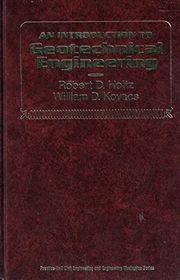
An Introduction to Geotechnical Engineering
For students who want to understand the physical behavior behind soil-mechanics procedures. Its descriptive explanations connect classification and properties with engineering applications, but the linked older edition needs newer design guidance when moving into current practice.
What it's about
Robert Holtz and William Kovacs introduce the classification, properties and behavior of soils used in civil engineering. Explanations connect soil mechanics with foundations and earth structures, developing the physical understanding needed to interpret tests and reason about ground behavior.

Principles of Geotechnical Engineering
For students who need a methodical introduction to soil properties and mechanics. Its worked problems build calculation skills across seepage, strength and settlement, but it offers less practical construction detail than the dedicated foundation references.
What it's about
Braja Das introduces soil properties and mechanics alongside field practices used in civil engineering. Detailed explanations and worked problems cover seepage, soil stresses, settlement, earth pressure, and shear strength, providing a foundation for further study and engineering design.

Principles of Foundation Engineering
For students ready to apply soil mechanics to foundation design. Its worked examples and field emphasis help develop engineering judgment, but it assumes the underlying soil concepts and does not replace site-specific investigation or current design requirements.
What it's about
Braja Das introduces foundation analysis and design, balancing theoretical methods with field applications. The textbook emphasizes evaluating soils and exercising engineering judgment, using worked examples and illustrations to help civil engineering students apply foundation principles.

Foundation Analysis and Design
For engineers who want detailed analysis behind foundation choices and calculations. Its coverage connects soil investigation with footing, pile and settlement problems, but the older reference needs current standards and project-specific judgment alongside its methods.
What it's about
Joseph Bowles examines the analysis and design of foundations, connecting soil mechanics with practical engineering decisions. Topics include site exploration, bearing capacity, footing design, piles, settlement, and retaining structures, supported by computational approaches and examples.
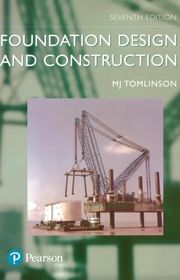
Foundation Design and Construction
For engineers who want design decisions linked with how foundations are built. Its case studies, charts and construction detail give the calculations practical context, but the linked edition’s code discussions require checking against current local requirements.
What it's about
M. J. Tomlinson combines soil-engineering principles with foundation design and construction methods. Worked examples, case studies and charts cover shallow and deep foundations, including practical problems involving difficult ground, connecting analytical choices with how foundation systems are built.

Fundamentals of Geotechnical Engineering
For students who want soil mechanics and foundation principles in one manageable course text. Its combined treatment reduces the need for two separate volumes, but the concise scope gives less space to alternative methods and specialist detail.
What it's about
Braja Das and Nagaratnam Sivakugan combine fundamental soil mechanics with foundation engineering in a single textbook. Worked examples and figures develop the central concepts and calculations, balancing theoretical explanations with practical field applications for civil engineering students.
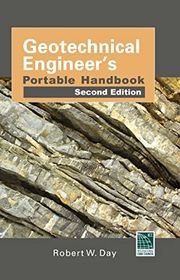
Geotechnical Engineer's Portable Handbook
For practitioners who need tables, formulas and reminders while investigating or reviewing a site. Its compact reference organization supports quick lookup, but the linked edition uses the 2012 building code and needs current requirements alongside it.
What it's about
Robert Day assembles geotechnical data, formulas and practical guidance in a portable reference. Tables, charts and illustrations support field exploration, soil and rock classification, foundation work and other construction-related tasks, providing organized information for use alongside engineering analysis.

For civil engineering students who want soil mechanics connected with design judgment. Its worked examples link physical behavior with foundations and earth structures, but the breadth makes it a course text rather than a quick field handbook.
What it's about
Donald Coduto explains the physical principles behind soil behavior and their use in geotechnical engineering. Worked examples connect stress, strength, and other soil mechanics concepts with slopes, foundations, and retaining structures while acknowledging uncertainty in engineering analysis.

Soil Mechanics in Engineering Practice
For engineers who want theoretical soil mechanics tested against practical design and construction problems. Its attention to field behavior supports professional judgment, but the classic treatment is denser and less tutorial-like than introductory course texts.
What it's about
Terzaghi and his collaborators connect theoretical soil mechanics with engineering design and construction. The book examines soil properties, exploration, drainage, settlement, earth pressure, slope stability, ground improvement, foundations, and dams through a practical geotechnical perspective.

Basic and Applied Soil Mechanics
For civil engineering students who want soil mechanics and foundations developed through numerical examples. Its integration of basic and applied topics supports coursework, but the references to Indian standards require attention when working in another jurisdiction.
What it's about
Gopal Ranjan and A. S. R. Rao connect soil mechanics with foundation engineering for civil engineering students. The text covers soil properties, compaction, seepage, consolidation, strength, and foundation types, using worked examples and references to Indian standards.

Geotechnical Earthquake Engineering
For engineers specializing in seismic ground behavior and hazards. Its integration of seismology, soil response and liquefaction goes beyond general foundation texts, but it assumes solid soil-mechanics knowledge and requires checking later developments in seismic practice.
What it's about
Steven Kramer connects seismology, soil mechanics, and structural engineering to explain geotechnical earthquake hazards. The text covers ground motion, seismic hazard analysis, soil response, liquefaction, slope stability, retaining walls, and methods for improving vulnerable ground.

Geotechnical Engineering
For students who want a systematic course spanning soil mechanics and foundations. Its numerical examples support learning through calculation, but the broad textbook treatment and use of Indian standards may need supplementing for another curriculum or region.
What it's about
C. Venkatramaiah presents soil mechanics and foundation engineering for civil engineering students. Systematic explanations and numerical examples address soil classification, permeability, consolidation, strength, slope stability, bearing capacity, and foundations, with references to relevant Indian standards.
Sources
- 1
35 Best Geotechnical Engineering Books of All Time
shortform.com
- 2
Geotechnical Engineering Books
goodreads.com
- 3
Typical textbooks for a Geotechnical Masters
reddit.com
- 4
Typical textbooks for a Geotechnical Masters
reddit.com
- 5
Books on Geotechnical Engineering For Students and Engineers
constructionplacements.com
- 6
Geotechnical Engineering Books
civilengineeringacademy.com




Edited by
Software engineer whose passion for tracking book recommendations from podcasts inspired the creation of MRB.
Lead investor at 3one4 Capital whose startup expertise and love for books helped shape MRB and its growth.
Comments
Spotted a missing book, a wrong order or a mistake? Tell us and we'll fix this page.
We're a reading guide, not the author or publisher, so we can't send books or pass on messages.