
9 Best Garden Design Books
Explore the best garden design books, ranked by expert sources, with choices for beginners, planting enthusiasts, and readers planning an outdoor space.
Our take
A successful garden has to do more than look good in a photograph. Paths need to lead somewhere useful, planting must suit the soil and light, and the whole space should fit the people who use it. These books approach those decisions from different directions, ranging from practical planning exercises to accounts of gardens shaped through years of observation.
For a first project, How to Create Your Garden offers a manageable route from ideas to construction, while The Essential Garden Design Workbook asks you to develop your plans in greater detail. Planting: A New Perspective and Planting in a Post-Wild World shift attention toward plant combinations, structure, and change over time. Readers who want to develop their eye can turn to The Education Of A Gardener; those who prefer learning through a personal story may enjoy We Made a Garden. Choose for the problem in front of you, then adapt the lessons to your own climate and site.
9 books · 9 sources · Last updated
As an Amazon Associate, we earn from qualifying purchases (at no extra cost to you).
How to choose from this list
Skip to the full rankingIf you are planning your first garden: How to Create Your Garden → The Essential Garden Design Workbook
If you want naturalistic planting: Planting: A New Perspective → Planting in a Post-Wild World
If wildlife shapes your design: The Living Landscape → Planting in a Post-Wild World
If you prefer reflective garden writing: We Made a Garden → A Gentle Plea for Chaos → The Education Of A Gardener
The 9 books, ranked
Ranked by how many expert sources name each book. Ties go to the book more people recommend.

For readers ready to compose perennial borders, Oudolf and Kingsbury connect visual structure with how plants behave over time. Detailed schemes reward close study, although their naturalistic approach does not cover every garden style.
What it's about
Piet Oudolf and Noel Kingsbury connect planting design with an understanding of plant ecology and behavior. Plans, charts, and a plant directory consider structure, color, texture, compatibility, longevity, and spreading habits when assembling naturalistic gardens.

The Education Of A Gardener
For readers interested in proportion, setting, and the thinking behind a garden, Page makes experienced design judgment tangible. His recollections encourage careful observation, though they are less direct than a modern workbook.
What it's about
Landscape designer Russell Page combines personal recollections with practical principles of garden design. Anecdotes about clients and colleagues accompany advice on fitting gardens to their surroundings, choosing plants, arranging color and working with seasonal change.
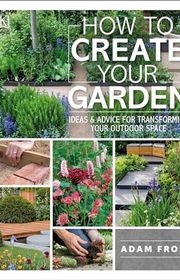
How to Create Your Garden
For beginners facing an empty plot or a redesign, Frost connects planning with achievable building projects and ongoing care. The practical sequence is reassuring, though plant choices and seasonal advice need adapting to local conditions.
What it's about
Adam Frost guides home gardeners through designing, building, and enjoying an outdoor space. He connects personal needs and site conditions with practical projects, from planting trees and laying turf to constructing raised beds and maintaining the garden through the year.

For gardeners designing resilient planting communities, Rainer and West explain how layers and plant relationships can guide beautiful combinations. The ecological framework is valuable, but choosing species still requires knowledge of your site.
What it's about
Thomas Rainer and Claudia West propose designing cultivated landscapes around the ways plants coexist in the wild. Their illustrated guide explores diverse, resilient plant communities that bring ecological function and visual harmony to cities and suburbs.
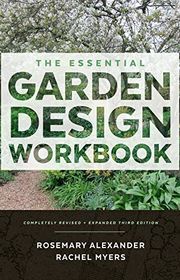
The Essential Garden Design Workbook
For serious amateurs and design students, this workbook gives planning a clear progression from site survey to planting schemes. Drawings make the process concrete, but completing the exercises demands more effort than browsing inspirational photographs.
What it's about
Rosemary Alexander and Rachel Myers guide readers through surveying a site, developing a design, selecting materials, and planning planting schemes. Drawings, photographs, and garden plans support a practical workbook approach to creating or redesigning an outdoor space.
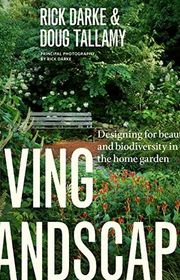
The Living Landscape
For homeowners who want wildlife habitat alongside visual appeal, Darke and Tallamy make ecological layers a useful design tool. Their approach encourages observation, though regional plant choices need adjustment outside the landscapes they discuss.
What it's about
Rick Darke and Douglas Tallamy connect residential garden design with the living layers of surrounding landscapes. Photographs and practical examples explain how plant communities can support wildlife, perform ecological functions, and create attractive outdoor spaces for people.

The Well-Tempered Garden
For gardeners who learn through a strong individual voice, Lloyd sharpens judgment about plants and everyday decisions. His opinions invite experimentation, but the broad horticultural focus offers less help with producing a complete site plan.
What it's about
Christopher Lloyd offers practical gardening guidance informed by experience and strong opinions. From planting and pruning to propagation and choosing perennials, shrubs, climbers and bulbs, he encourages gardeners to observe closely and learn from mistakes.

A Gentle Plea for Chaos
For gardeners drawn to loose, romantic planting, Osler offers permission to question excessive tidiness and let a garden evolve. Her personal reflections develop an attitude to design rather than a sequence of drawing exercises.
What it's about
Mirabel Osler reflects on the garden that gradually took over her life, questioning rigid planning and horticultural regimentation. Personal experiences mingle with observations about plant collectors, illustrators and gardening thinkers in this humorous defense of spontaneity.

We Made a Garden
For first-time cottage gardeners, Fish makes the gradual creation of a garden feel approachable through successes, setbacks, and competing tastes. It offers companionship and practical observations rather than a comprehensive contemporary design manual.
What it's about
Margery Fish recalls creating a cottage garden at East Lambrook Manor with her husband Walter. Their differing tastes, successes and setbacks frame practical observations about plants, compost, hedges and paths as wilderness becomes a garden.
Sources
- 1
The 10 Books Every Gardener Should Read
gardenista.com
- 2
10 Best Garden Design Books for 2026
outdoorbrite.com
- 3
Favorite Books on Garden Design
reddit.com
- 4
Design book suggestions
reddit.com
- 5
The Best Books on Garden Design
fivebooks.com
- 6
The classic gardening books every garden lover should own
houseandgarden.co.uk
- 7
RHS Bookshelf
rhs.org.uk
- 8
Best Garden Design - Home Gardens
goodreads.com
- 9
What are the definitive books and resources that I should be utilizing to learn about DIY landscaping?
reddit.com








Edited by
Software engineer whose passion for tracking book recommendations from podcasts inspired the creation of MRB.
Lead investor at 3one4 Capital whose startup expertise and love for books helped shape MRB and its growth.
Comments
Spotted a missing book, a wrong order or a mistake? Tell us and we'll fix this page.
We're a reading guide, not the author or publisher, so we can't send books or pass on messages.