
8 Best Database Design Books
The best database design books, ranked by how many expert sources recommend each one, with notes on who each suits, from first schemas to system tradeoffs.
Our take
Database design begins with deciding what information a system needs and how its parts relate. A sound relational model makes rules and dependencies explicit before implementation choices obscure them. Other design questions sit below or above the schema: how an engine stores records, how transactions behave, and how data moves between services. The books here address these different levels.
Database Design for Mere Mortals and Beginning Database Design Solutions offer approachable starting points for requirements and modeling. Database Design and Relational Theory explains the principles behind normalization in more detail, while SQL Antipatterns helps working developers reconsider familiar shortcuts. The SQL Server guide concentrates on implementation in one platform. Database Internals and Designing Data-Intensive Applications broaden the view toward storage mechanisms and application architecture rather than teaching table design. Several editions are older, so check software details against current documentation. Start with a modeling guide, then choose theory, implementation, or systems depth according to the decisions you face.
8 books · 7 sources · Last updated
As an Amazon Associate, we earn from qualifying purchases (at no extra cost to you).
How to choose from this list
Skip to the full rankingIf you're designing your first relational database: Database Design for Mere Mortals → Beginning Database Design Solutions
If you want a defined case-study process: Six-Step Relational Database Design
If you want deeper normalization theory: Database Design and Relational Theory
If you want to revisit common SQL design mistakes: SQL Antipatterns
If you implement designs in SQL Server: Pro SQL Server Relational Database Design and Implementation
If you want storage and architectural tradeoffs: Database Internals → Designing Data-Intensive Applications
The 8 books, ranked
Ranked by how many expert sources name each book. Ties go to the book more people recommend.

Beginning Database Design Solutions
For readers who want database design connected to application requirements from the beginning. Stephens offers a broad introduction before specialist theory, though the older implementation examples need adapting to the systems and tools used today.
What it's about
Rod Stephens introduces the goals and methods of database design, beginning with application requirements. Examples explain how to decide what information belongs in a database and organize it to support performance, reliability, and fewer errors.

Database Design for Mere Mortals
For newcomers who want a software-independent process for designing a relational schema. Hernandez makes tables, relationships, and business rules approachable, though the deliberately methodical pace leaves experienced designers wanting more depth on difficult edge cases.
What it's about
Michael Hernandez presents a software-independent process for designing relational databases. The tutorial moves from planning through tables, fields, keys, relationships, business rules, and views, emphasizing data integrity and ways to recognize common design mistakes.

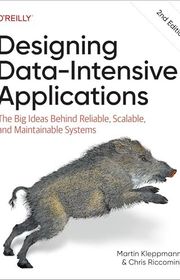
Designing Data-Intensive Applications
The Big Ideas Behind Reliable, Scalable, and Maintainable Systems
For developers making architectural choices around data, reliability, and scale. Kleppmann connects storage, replication, and processing tradeoffs across systems, though this first edition provides less guidance on designing individual tables and predates the expanded second edition.
What it's about
Martin Kleppmann examines the design choices behind systems that store and process large amounts of data. He compares databases, replication, partitioning, transactions, batch processing and streams, explaining tradeoffs involving reliability, consistency, scalability and maintainability.

For practitioners who want to understand why normalization and dependencies affect correctness. Date supplies greater relational-theory depth than the introductory guides, though the exacting terminology and formal arguments reward deliberate study rather than quick consultation.
What it's about
C.J. Date explains the theory underlying relational database design and its practical consequences. Detailed examples examine normal forms, dependencies, redundancy, and data consistency, helping practitioners understand why normalization matters when building lasting database models.
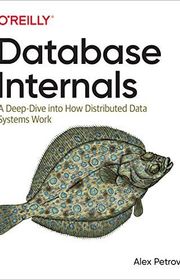
Database Internals: A Deep Dive into How Distributed Data Systems Work
For experienced developers who want to understand the machinery beneath database behavior. Petrov explains storage and distributed-system mechanisms more deeply than a schema guide, though this is an engine-internals book rather than an introduction to relational modeling.
What it's about
Alex Petrov explains the internal structures and algorithms used by database systems, from storage engines and indexing to distributed coordination. The book connects implementation choices with the behavior, reliability, and tradeoffs developers encounter in practice.

For developers who already work with SQL and want to recognize recurring design mistakes. Karwin explains the reasoning behind alternatives more directly than a general course, though this original edition predates the expanded Volume 1 update.
What it's about
Bill Karwin examines common mistakes in SQL programming and relational database design. Each antipattern leads into an explanation of its costs and alternative approaches, helping developers understand the principles behind more reliable and maintainable solutions.

Pro SQL Server Relational Database Design and Implementation
Best Practices for Scalability and Performance
For developers who need to carry relational models into a SQL Server implementation. Its platform focus connects theory with physical decisions, though the techniques and examples are less transferable than an engine-independent design guide.
What it's about
Louis Davidson guides readers from business requirements and logical modeling to physical implementation in SQL Server. Relational theory, normalization, and implementation choices provide a framework for designing databases with attention to scalability and performance.

Six-Step Relational Database Design
A step by step approach to relational database design and development
For learners who want a defined sequence for turning requirements into a model. Captain’s case-study approach makes intermediate design choices visible, though following a method still requires judgment about ambiguous requirements and evolving business rules.
What it's about
Fidel Captain presents a structured process for turning client requirements into a relational database model. Case studies guide readers through discovering entities, defining relationships, and designing schemas, connecting database theory with practical development decisions.
Sources
- 1
The Best Database Design Books of 2026
conqueryourexam.com
- 2
Top Database Design Books in 2021
red-gate.com
- 3
19 Best Database Books
databasestar.com
- 4
Database Design Books
goodreads.com
- 5
Database Internals Study Path: B-trees, LSM, MVCC, WAL, Replication
semicolony.dev
- 6
How to design big databases?
reddit.com
- 7
What are some good books or resources for relational database design?
reddit.com






Edited by
Software engineer whose passion for tracking book recommendations from podcasts inspired the creation of MRB.
Lead investor at 3one4 Capital whose startup expertise and love for books helped shape MRB and its growth.
Comments
Spotted a missing book, a wrong order or a mistake? Tell us and we'll fix this page.
We're a reading guide, not the author or publisher, so we can't send books or pass on messages.