
13 Best Gardening Books
The best gardening books, ranked by how many expert sources recommend each one, with notes for choosing beginner guides, vegetable methods, and planting references.
Our take
Gardening books help with different jobs: choosing a first crop, understanding soil and plants, organizing seasonal work, or designing a space that changes well through the year. A broad reference is useful for questions that arise as you go, while a focused method can make the first decisions less overwhelming. Climate, available space, and the time you can give the garden matter more than following every instruction exactly.
For a first vegetable patch, try Vegetable Gardening for Beginners or the more prescriptive All New! Square Foot Gardening. The Week-by-Week Vegetable Gardener's Handbook helps organize the season, and The Year-Round Vegetable Gardener explores extending it. How Plants Work builds understanding, while Planting concentrates on design and plant communities. For a wider organic reference, consider The Garden Primer. Start with the task in front of you, then check that planting dates, species, and techniques suit your own location.
13 books · 5 sources · Last updated
As an Amazon Associate, we earn from qualifying purchases (at no extra cost to you).
How to choose from this list
Skip to the full rankingIf you're starting a vegetable garden: Vegetable Gardening for Beginners → The Vegetable Gardener's Bible
If you have a small growing space: All New! Square Foot Gardening
If you want a seasonal plan: The Week-by-Week Vegetable Gardener's Handbook → The Year-Round Vegetable Gardener
If you want to understand plants and soil: How Plants Work → Weedless Gardening
If you want a broad foundation: The Garden Primer → Rodale's Ultimate Encyclopedia of Organic Gardening
If you want ecological planting ideas: Gaia's Garden → Planting
The 13 books, ranked
Ranked by how many expert sources name each book. Ties go to the book more people recommend.

For gardeners ready to think beyond individual plants toward lasting combinations. Oudolf and Kingsbury connect naturalistic design with plant behavior, though the detailed plans and ecological considerations require more study than a simple collection of attractive borders.
What it's about
Piet Oudolf and Noel Kingsbury connect planting design with an understanding of plant ecology and behavior. Plans, charts, and a plant directory consider structure, color, texture, compatibility, longevity, and spreading habits when assembling naturalistic gardens.
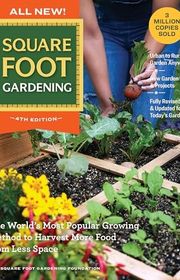
All New! Square Foot Gardening
For beginners who want a defined layout for a compact vegetable garden. The grid-based method makes spacing and planning concrete, though constructing beds and sourcing the specified growing mix can add cost before planting begins.
What it's about
This revised guide develops Mel Bartholomew's square-foot gardening method for growing food in small, divided beds. Instructions cover layout, soil mix, crop spacing, planting, and care, helping gardeners organize a productive space without traditional long rows.

For gardeners who want to design relationships among plants, soil, water, and wildlife. Hemenway makes home-scale permaculture understandable, though applying the principles requires observation and planning rather than simply copying a ready-made planting list.
What it's about
Toby Hemenway explains how permaculture principles can shape a home garden into a cooperative ecosystem. He discusses soil fertility, water conservation, beneficial wildlife, and edible planting, with guidance for creating productive gardens even in limited urban space.

Rodale's Ultimate Encyclopedia of Organic Gardening
The Indispensable Green Resource for Every Gardener
For gardeners who want a broad organic reference to consult as questions arise. Its range covers more plant groups than a vegetable-only guide, though the encyclopedia format is less helpful for someone needing a single step-by-step first project.
What it's about
This organic-gardening reference covers vegetables, fruit, flowers, trees, shrubs, and lawns across varied American growing conditions. Entries explain soil care, fertilizers, pest management, and garden design, with additional guidance on water conservation, wildlife habitats, and environmental challenges.

For readers who like practical advice anchored in an experienced gardener's own space. Don connects technique, observation, and wildlife-friendly choices through Longmeadow, though the British setting and substantial garden do not translate directly to every climate or budget.
What it's about
Monty Don shares his approach to gardening through practical instruction and photographs from Longmeadow. This revised edition emphasizes organic techniques and creating habitats for wildlife, reflecting the experiments and changing methods developed in his own garden.

For beginners who want a general foundation before specializing. Damrosch brings many parts of gardening together in an approachable reference, though the wide scope means a focused crop or regional guide may be needed for detailed decisions.
What it's about
Barbara Damrosch surveys gardening through organic methods, covering soil, landscaping, flowers, vegetables, lawns, trees, and vines. Plant profiles, illustrations, and design plans support guidance on choosing plants, combining seasonal color, and extending the harvest.

The Week-by-Week Vegetable Gardener's Handbook
Make the Most of Your Growing Season
For vegetable growers who struggle to know when to do each job. The frost-date-based schedule turns a season into manageable tasks, though unusual weather and local growing conditions still require judgment rather than rigid adherence to the calendar.
What it's about
Ron and Jennifer Kujawski organize vegetable gardening into weekly tasks based on local frost dates. Instructions and worksheets guide seed starting, transplanting, crop maintenance, and harvest, helping gardeners build a schedule suited to their own growing season.

The Year-Round Vegetable Gardener
How to Grow Your Own Food 365 Days a Year, No Matter Where You Live
For vegetable growers trying to extend harvests beyond summer. Jabbour connects crop choice with protective structures and seasonal timing, though the cold-climate examples require considerable adaptation in hot regions or gardens with different winter conditions.
What it's about
Niki Jabbour draws on gardening in Nova Scotia to explain growing vegetables beyond the usual summer season. She covers seasonal variety selection, succession planting, and inexpensive protective structures that help keep crops producing during colder weather.

For gardeners who want to understand why common advice works or fails. Chalker-Scott connects plant physiology with practical questions, though it develops decision-making knowledge rather than providing a complete growing plan or extensive plant directory.
What it's about
Linda Chalker-Scott introduces plant physiology through questions gardeners encounter, from wilting containers to plants that fail to flower. She explains the science behind plants' responses and shows how understanding their functions can inform everyday gardening decisions.

For gardeners who want to plan and maintain flower displays across a season. The Hills combine design examples with plant care, though the broad survey needs supplementing with local information about suitable varieties and growing conditions.
What it's about
Lewis and Nancy Hill explain planning and caring for flower gardens, from choosing a site to selecting suitable plants. Photographs, designs, and plant profiles accompany guidance on soil, pests, and maintaining color through the growing season.

The Vegetable Gardener's Bible
Discover Ed's High-Yield W-O-R-D System for All North American Gardening Regions
For vegetable growers who want one coherent organic method. Smith links bed layout, soil preparation, and crop care in a usable system, though the North American focus and preferred growing approach need adjusting to local conditions.
What it's about
Edward C. Smith explains his W-O-R-D vegetable-growing system: wide rows, organic methods, raised beds, and deep soil. Plant profiles accompany guidance on varieties, succession planting, small spaces, and extending the growing season into colder months.

For first-time vegetable growers who need a clear route through basic decisions. McSheehy makes beds, containers, soil, and maintenance approachable, though the introductory scope offers less depth once you want to experiment with specialized crops or advanced techniques.
What it's about
Jill McSheehy guides first-time vegetable gardeners through raised beds, containers, and soil preparation. Plant profiles and maintenance advice cover choosing crops, watering, mulching, companion planting, and handling pests as readers establish and care for a home garden.

Weedless Gardening
For gardeners interested in reducing routine digging and weed pressure. Reich presents soil-surface care as a connected method rather than isolated shortcuts, though initial preparation and persistent weeds can demand more work than the title suggests.
What it's about
Lee Reich presents a gardening system that avoids annual digging and emphasizes caring for the soil's surface. He explains maintaining flowers, vegetables, trees, and shrubs with less disturbance, using organic methods to support plant health and reduce weeds.
Sources




Edited by
Software engineer whose passion for tracking book recommendations from podcasts inspired the creation of MRB.
Lead investor at 3one4 Capital whose startup expertise and love for books helped shape MRB and its growth.
Comments
Spotted a missing book, a wrong order or a mistake? Tell us and we'll fix this page.
We're a reading guide, not the author or publisher, so we can't send books or pass on messages.