
13 Best Horticulture Books
The best horticulture books, ranked by how many expert sources recommend each one, with notes on reader fit, plant science, practical care, and where to start.
Our take
Horticulture brings plant knowledge into the work of growing, selecting, and caring for plants. A useful book might explain what happens inside a seed, compare trees for a landscape, or show how pruning changes a perennial border. Other books develop a gardener's eye through personal experience. These different kinds of reading serve different needs, from understanding basic processes to making better decisions in a particular garden.
Botany for Gardeners offers a scientific foundation, while Practical Botany for Gardeners helps make technical language useful. For hands-on work, The Well-Tended Perennial Garden concentrates on care, and Planting connects design with how plants behave together. Memoirs such as We Made a Garden show the experiments and disagreements behind a finished space. Crop-specific guides and food-growing books have a narrower audience. Climate, soils, and growing conditions vary, so match regional examples to your own setting. Start with Botany for Gardeners for understanding, then choose a reference focused on what you grow.
13 books · 4 sources · Last updated
As an Amazon Associate, we earn from qualifying purchases (at no extra cost to you).
How to choose from this list
Skip to the full rankingIf you want the plant-science foundations: Botany for Gardeners → Practical Botany for Gardeners
If you want to understand living soil: Teaming with Microbes
If you're choosing trees and shrubs: Manual of Woody Landscape Plants
If you want to design and tend perennial beds: Planting → The Well-Tended Perennial Garden
If you want to grow more food in a small space: Mini Farming
If you prefer learning through garden memoirs: We Made a Garden → The Well-Tempered Garden
The 13 books, ranked
Ranked by how many expert sources name each book. Ties go to the book more people recommend.

For gardeners ready to plan plant communities rather than choose isolated specimens. Its attention to structure and plant behavior connects design with maintenance, though the charts and ecological approach reward some existing plant knowledge.
What it's about
Piet Oudolf and Noel Kingsbury connect planting design with an understanding of plant ecology and behavior. Plans, charts, and a plant directory consider structure, color, texture, compatibility, longevity, and spreading habits when assembling naturalistic gardens.

Botany for Gardeners
For gardeners who want to understand the plant science behind familiar tasks. Its accessible explanations connect structures with growth and reproduction, though it complements a practical reference rather than supplying instructions for every garden problem.
What it's about
Brian Capon introduces plant science for gardeners through accessible explanations and illustrations. Plant anatomy, growth, reproduction, and genetics connect the visible life of a garden with the processes inside plants, helping readers understand why they develop and respond as they do.

Manual of Woody Landscape Plants
Their Identification, Ornamental Characteristics, Culture, Propogation and Uses
For horticulture students and serious gardeners choosing or identifying trees and shrubs. Its detailed species and cultivar entries make it a working reference, though its size and North American emphasis limit casual or globally applicable browsing.
What it's about
Michael A. Dirr provides a reference to woody landscape plants, connecting identification with ornamental qualities, cultivation, propagation, and uses. Descriptions and drawings of features such as leaves, buds, and stems help readers distinguish plants and assess their suitability for landscape work.
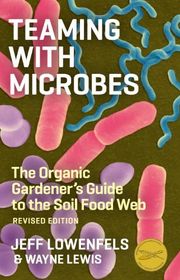
Teaming with Microbes: The Organic Gardener's Guide to the Soil Food Web
For gardeners who want an accessible introduction to the organisms living in soil. Its focus on biological relationships gives compost and soil care context, though its organic-gardening framework is more selective than a general soil-science textbook.
What it's about
Jeff Lowenfels and Wayne Lewis introduce bacteria, fungi, and other organisms that form soil food webs. They connect these relationships with gardening practices involving compost, mulch, and soil management, emphasizing the biological activity beneath growing plants.

The Well-Tempered Garden
For gardeners who want practical advice sharpened by personal judgment and experience. Lloyd encourages observation rather than timid rule-following, though the British setting and opinionated voice require adaptation to your own climate and tastes.
What it's about
Christopher Lloyd offers practical gardening guidance informed by experience and strong opinions. From planting and pruning to propagation and choosing perennials, shrubs, climbers and bulbs, he encourages gardeners to observe closely and learn from mistakes.
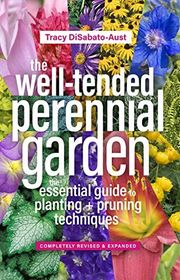
The Well-Tended Perennial Garden: The Essential Guide to Planting and Pruning Techniques
For gardeners who want to improve established perennial beds through regular care. Its detailed pruning and maintenance guidance goes beyond choosing attractive combinations, though the hands-on approach involves more seasonal work than a low-intervention garden.
What it's about
Tracy DiSabato-Aust explains the design and ongoing care of perennial gardens. Guidance on planting, pruning, dividing, and seasonal maintenance accompanies information about individual plants, connecting daily work with the development of healthy, attractive beds over time.

A Gentle Plea for Chaos
For gardeners whose pleasure lies in discovery rather than rigid control. Osler gives uncertainty and personal attachment room to matter, though this reflective account provides less systematic instruction than a cultivation handbook.
What it's about
Mirabel Osler reflects on the garden that gradually took over her life, questioning rigid planning and horticultural regimentation. Personal experiences mingle with observations about plant collectors, illustrators and gardening thinkers in this humorous defense of spontaneity.
Animal, Vegetable, Miracle
For readers interested in how growing food changes a family's eating habits. Its year-long perspective connects cultivation with daily decisions, though food culture and personal narrative take precedence over detailed horticultural instruction.
What it's about
The true story of the Kingsolver family's attempt to eat only locally grown food for a year. They move to a farm in Virginia, grow their own vegetables, and raise animals, offering a funny and practical look at the local food movement.

Down the Garden Path
For readers who enjoy gardening as a source of comedy and social observation. Nichols captures the emotional swings of creating a garden, though the eccentric anecdotes offer more entertainment than a dependable reference for practical decisions.
What it's about
Beverley Nichols describes creating his first garden at Allways, a country home in Cambridgeshire. Encounters with eccentric neighbors, experiments with planting, and the pleasures and frustrations of gardening turn the project into a humorous account of rural life.

For readers focused specifically on cannabis cultivation. Its illustrated coverage gathers a specialized crop's growing concerns in one place, though the equipment and methods reflect an older reference and have limited relevance to general ornamental gardening.
What it's about
Jorge Cervantes surveys indoor and outdoor marijuana cultivation in an extensively illustrated reference. The book covers garden planning, plant development, equipment, and common growing concerns, including the practical constraints of smaller spaces and limited budgets.

For household growers trying to organize food production on a small plot. It connects cultivation with harvest use and self-sufficiency, though the ambitious breadth extends into poultry and selling produce beyond many gardeners' immediate needs.
What it's about
Brett Markham presents intensive food growing techniques for a small plot. The guide covers raised beds, soil improvement, seeds, composting, pests, and crop planning, alongside raising chickens, preserving harvests, and selling surplus produce.

For gardeners who repeatedly encounter unfamiliar botanical vocabulary. Its illustrated explanations connect scientific terms with practical situations, though readers wanting a continuous introduction may find a terminology-rich reference less approachable than Capon's book.
What it's about
Geoff Hodge explains botanical terms and plant science through their practical relevance to gardening. Illustrated chapters cover plant structures, growth, reproduction, and environmental influences, connecting the workings of roots, buds, and cells to everyday garden tasks.

We Made a Garden
For readers planning a cottage garden who want an account of learning through experience. Fish combines practical observations with contrasting personal tastes, though the memoir's English conditions and period assumptions need interpreting for other gardens.
What it's about
Margery Fish recalls creating a cottage garden at East Lambrook Manor with her husband Walter. Their differing tastes, successes and setbacks frame practical observations about plants, compost, hedges and paths as wilderness becomes a garden.
Sources







Edited by
Software engineer whose passion for tracking book recommendations from podcasts inspired the creation of MRB.
Lead investor at 3one4 Capital whose startup expertise and love for books helped shape MRB and its growth.
Comments
Spotted a missing book, a wrong order or a mistake? Tell us and we'll fix this page.
We're a reading guide, not the author or publisher, so we can't send books or pass on messages.