
9 Best Fermentation Books
The best fermentation books, ranked by how many expert sources recommend each one, with notes on who they suit, from first jars to specialized projects.
Our take
Fermentation books can help you make a first jar of vegetables, understand a wider food tradition, or develop ingredients for ambitious cooking. The most useful choice depends on what you want to make and how much explanation you want before starting. Some authors teach through recipes and photographs, while others emphasize process, history, or experimentation. These approaches can complement one another without requiring you to try every category at once.
For vegetable projects, begin with Ferment Your Vegetables or the broader ingredient repertoire in Fermented Vegetables. Wild Fermentation offers a conversational route into several kinds of cultured food. The Art of Fermentation provides a larger reference once you want deeper context. More experienced readers can explore restaurant methods in The Noma Guide to Fermentation, spicy condiments in Fiery Ferments, or a specialized culture in Koji Alchemy. Start with a clearly described project that fits your kitchen, then follow that process carefully before adapting it.
9 books · 6 sources · Last updated
As an Amazon Associate, we earn from qualifying purchases (at no extra cost to you).
How to choose from this list
Skip to the full rankingIf you're making your first vegetable ferments: Ferment Your Vegetables → Fermented Vegetables
If you want a broad introduction: Wild Fermentation → The Art of Fermentation
If you want spicy condiments: Fermented Vegetables → Fiery Ferments
If you want specialized flavor projects: The Noma Guide to Fermentation → Koji Alchemy
If you want a homestead perspective: Traditionally Fermented Foods
The 9 books, ranked
Ranked by how many expert sources name each book. Ties go to the book more people recommend.

The Art of Fermentation
For readers who want fermentation's wider processes and cultural context. Katz offers a deeper reference than a recipe-first introduction, though its breadth makes it less direct when you simply want one clearly prescribed beginner project.
What it's about
Sandor Ellix Katz explores fermentation as a practical craft and a cultural tradition across foods made from vegetables, fruits, grains, dairy, beans, and meat. Explanations of processes accompany guidance for experimenting with fermented foods at home.

The Noma Guide to Fermentation
For confident cooks interested in restaurant-style flavor development and precise experimentation. Redzepi and Zilber explain specialized processes in detail, though equipment, controlled conditions, and unfamiliar ingredients make some projects less convenient for a casual home kitchen.
What it's about
René Redzepi and David Zilber explain fermentation methods developed in Noma's restaurant kitchen and laboratory. Illustrated instructions cover koji, kombucha, miso, vinegar, garum, and other preparations, with suggestions for incorporating the resulting ingredients into everyday cooking.

Fermented Vegetables
For home cooks who want to concentrate on vegetable ferments before branching out. The Shockeys provide more ingredient-specific possibilities than a general overview, though readers mainly interested in bread, dairy, or drinks will need another book.
What it's about
Kirsten and Christopher Shockey explain vegetable fermentation through foundational techniques and recipes for sixty four vegetables and herbs. Their guide covers krauts, kimchis, brined pickles, chutneys, relishes, and pastes, then shows ways to serve the finished ferments.
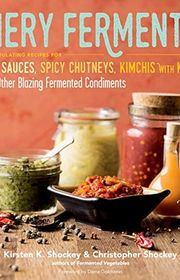
Fiery Ferments
For fermenters who want to turn peppers and other ingredients into spicy condiments. Its focused repertoire goes further on heat and flavor than a general vegetable guide, though readers who dislike spicy food will find its scope limiting.
What it's about
The Shockeys explain making fermented hot sauces, chutneys, kimchis, pastes, and other spicy condiments. Recipes explore different ingredients and heat levels, connecting fermentation techniques with ways to build and use flavorful additions to meals.

For readers who want recipes, personal experience, and an invitation to start exploring. Katz makes a more conversational entry than The Art of Fermentation, though the varied projects still require attention to each process's specific conditions.
What it's about
Sandor Ellix Katz introduces making cultured foods through recipes, personal experience, and reflections on food traditions. This revised edition covers projects such as sauerkraut, yogurt, cheese, and sourdough, connecting everyday kitchen experiments with the broader culture of fermentation.
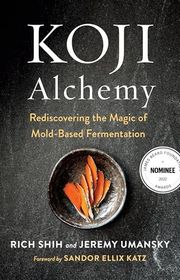
Koji Alchemy
For experienced fermenters curious about koji beyond familiar miso and soy sauce. Umansky and Shih connect technique with creative applications, though growing cultures and controlling conditions requires more commitment than beginning with a simple vegetable ferment.
What it's about
Umansky and Shih explore koji's history, cultivation, and culinary applications. Their guide connects equipment and process explanations with recipes and experiments, showing how the culture can transform ingredients for sauces, pastes, beverages, and other foods.

Ferment Your Vegetables
A Fun and Flavorful Guide to Making Your Own Pickles, Kimchi, Kraut, and More
For beginners who want vegetable projects with familiar ingredients and basic equipment. Feifer's focused explanations offer a manageable entry point, though the narrower scope means it is not a complete guide to fermented drinks, dairy, or grains.
What it's about
Amanda Feifer introduces vegetable fermentation with accessible explanations and step by step methods for making pickles, kimchi, sauerkraut, and other foods. Her guide emphasizes simple ingredients and basic equipment, helping beginners understand the process before trying different recipes.

For curious beginners who want to sample several categories before specializing. Its broad collection makes the range of fermentation visible, though covering many foods and drinks leaves less room for detailed troubleshooting in any one process.
What it's about
Drakes Press introduces fermentation through basic explanations and recipes for a wide range of foods and drinks. Projects include pickled vegetables, yogurt, tempeh, sourdough, vinegar, beer, and wine, connecting different ingredients with the cultures used to transform them.

Traditionally Fermented Foods
Innovative Recipes and Old-Fashioned Techniques for Sustainable Eating
For readers interested in fermentation within a homestead and everyday cooking routine. Stonger's experience gives it a different emphasis from restaurant experimentation, though the off-grid context may not match the equipment and priorities of an urban kitchen.
What it's about
Shannon Stonger draws on life in an off grid homestead to explain traditional fermentation and food preservation. Recipes and photographs connect practical techniques with everyday meals, including approaches that reduce reliance on refrigeration and other modern equipment.
Sources
- 1
12 Best Fermenting & Homebrewing Books
growforagecookferment.com
- 2
Best Fermentation Books for Every Level
fermentcalculator.com
- 3
Best Fermentation Books in 2026 (Beginner to Advanced)
thefermentguide.com
- 4
Books on Sake
sakeassociation.org
- 5
Fermentation Books
goodreads.com
- 6
Top 5 Fermentation Books for Beginners
myfermentedfoods.com





Edited by
Software engineer whose passion for tracking book recommendations from podcasts inspired the creation of MRB.
Lead investor at 3one4 Capital whose startup expertise and love for books helped shape MRB and its growth.
Comments
Spotted a missing book, a wrong order or a mistake? Tell us and we'll fix this page.
We're a reading guide, not the author or publisher, so we can't send books or pass on messages.