
19 Best Cocktail Books
The best cocktail books, ranked by how many expert sources recommend each one, with notes for home beginners, curious enthusiasts, and working bartenders.
Our take
A good cocktail book can teach you how to make a balanced drink, explain why a technique works, or lead you into the history of what is in the glass. The right choice depends on your bottles, equipment, and interest in preparation. These books range from accessible lessons for home mixers to professional manuals and elaborate projects better suited to a planned weekend.
The Bar Book concentrates on practical technique, while Cocktail Codex explains the formulas that connect different drinks. The Joy of Mixology offers another way to think in cocktail families. For readers who enjoy experiments, Liquid Intelligence examines temperature, dilution, and other variables in detail. Imbibe! supplies historical context, and The Drunken Botanist follows the plants behind spirits and flavorings. Tropical drink enthusiasts can choose between the broad foundation of Smuggler's Cove and Shannon Mustipher's contemporary recipes in Tiki.
Start with technique and a few drinks you already enjoy, then expand into the history or style that interests you most.
19 books · 16 sources · Last updated
As an Amazon Associate, we earn from qualifying purchases (at no extra cost to you).
How to choose from this list
Skip to the full rankingIf you're learning practical technique: The Bar Book → Cocktail Codex
If you want a broad recipe collection: The PDT Cocktail Book → Death & Co
If you're curious about cocktail science: Liquid Intelligence
If you want historical context: Imbibe! → The Savoy Cocktail Book
If you're exploring tropical drinks: Smuggler's Cove → Tiki
If you're planning professional bar work: Meehan's Bartender Manual
The 19 books, ranked
Ranked by how many expert sources name each book. Ties go to the book more people recommend.

For home bartenders ready to understand why a drink works. Its foundational formulas connect classics with variations more clearly than a simple recipe catalog, though working through the lessons requires ingredients and time for comparison.
What it's about
Alex Day, Nick Fauchald, and David Kaplan explain cocktail making through foundational drink formulas and their variations. Recipes accompany lessons on ingredients, balance, and technique, helping readers understand familiar cocktails and develop new combinations of their own.

For curious bartenders who want to control temperature, dilution, and texture. It explains the mechanics more deeply than the general recipe books, though some experiments require specialized equipment and more precision than casual mixing needs.
What it's about
Dave Arnold applies scientific principles to cocktail making, examining temperature, dilution, acidity, sweetness, and carbonation. Recipes and experiments range from improvements to everyday techniques to specialized methods, showing how precise control of ingredients and processes changes a drink.

Meehan's Bartender Manual
For readers considering bartending as a profession or planning a bar. Its attention to service, design, and operations goes beyond drink formulas, though a home mixer may find much of that professional detail unnecessary.
What it's about
Jim Meehan examines bartending as both a craft and a hospitality profession. Cocktail recipes sit alongside guidance on bar design, spirits production, menus, service, and technique, with contributions from industry colleagues illuminating the practical workings of a successful bar.

Imbibe!
For readers interested in the origins of American cocktails. Its historical investigation gives classic recipes more context than a practical manual, though period ingredients and measurements can require adaptation before you mix the drinks.
What it's about
David Wondrich investigates the emergence of American cocktail culture through the life and influence of bartender Jerry Thomas. Historical research, anecdotes, and reconstructed recipes connect nineteenth-century drinking practices with the classic cocktails that followed in their wake.
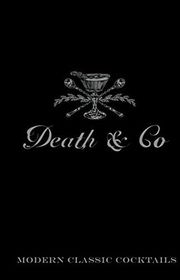
Death & Co: Modern Classic Cocktails
For home enthusiasts ready to build a deeper drinks repertoire. Its mix of technique and bar-tested recipes offers more breadth than a single-style collection, though many recipes assume a substantial supply of spirits and prepared ingredients.
What it's about
The team behind a New York cocktail bar shares its approach to ingredients, technique, and drink development. Hundreds of classic and original recipes accompany explanations of tasting, balance, and the working habits behind a modern cocktail program.

For beginners who want to get the physical work of mixing right. Its practical treatment of preparation, ice, shaking, and stirring is more focused than a recipe encyclopedia, though it provides fewer drinks to browse.
What it's about
Jeffrey Morgenthaler explains the techniques behind making cocktails, including juicing, garnishing, shaking, stirring, carbonation, and handling ice. Photographs and recipes demonstrate how these methods affect flavor, chilling, and dilution, providing practical foundations for home bartenders.

The Drunken Botanist
For readers curious about the plants behind their favorite drinks. Its botanical approach offers a different kind of background from bar manuals, though it works better as enjoyable ingredient reading than as a systematic cocktail course.
What it's about
A lively tour of the plants behind beer, wine, and spirits, from agave and barley to herbs, fruits, and fungi. Stewart blends botany, history, and drink recipes into a book that's as curious as it is useful.

For readers who want to understand recipes as related families rather than isolated instructions. Its classification system makes improvising and remembering drinks easier, though readers seeking a compact first recipe collection may find the reference material extensive.
What it's about
Gary Regan organizes cocktails into families to explain their shared structures and make recipes easier to understand. Alongside drinks and bartending guidance, this revised edition explores how recognizing patterns can help bartenders remember formulas and create their own variations.

The Savoy Cocktail Book
For readers who want to explore a historical cocktail reference. Its period recipes and illustrations show a different drinking culture from modern manuals, though terse instructions and older formulas need interpretation rather than automatic trust.
What it's about
Harry Craddock collects hundreds of cocktail recipes associated with the Savoy Hotel's American Bar and the drinking culture of the early twentieth century. Illustrated in Art Deco style, the volume preserves classic formulas alongside period observations on drinks and entertaining.

For readers who want a contemporary approach to tropical drinks. Its ingredient guidance and varied spirits broaden the style beyond familiar rum classics, though fresh components and homemade preparations make it less convenient for spontaneous mixing.
What it's about
Shannon Mustipher presents a contemporary approach to tropical cocktails, with particular attention to rum and other cane spirits. Recipes, ingredient notes, and contributions from fellow bartenders connect tiki traditions with new combinations and practical guidance for mixing them.

For readers who want a large recipe reference alongside basic bar setup advice. Its breadth makes it useful for looking up unfamiliar drinks, though the catalog approach explains less about technique and recipe relationships than The Joy of Mixology.
What it's about
Gary Regan combines more than a thousand mixed-drink recipes with guidance on stocking and equipping a bar. Entries cover spirits, liqueurs, glasses, and garnishes, while the recipe collection includes classic cocktails, lesser-known combinations, and nonalcoholic drinks.
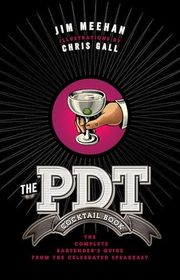
The PDT Cocktail Book: The Complete Bartender's Guide from the Celebrated Speakeasy
For readers who want a large, clearly presented collection of modern bar recipes. It is easier to browse for a particular drink than a theory course, though reproducing the full range calls for a well-stocked cabinet.
What it's about
Jim Meehan collects classic and contemporary cocktails associated with the New York bar Please Don't Tell. Illustrated recipes identify ingredients, methods, glassware, and garnishes, alongside practical information about tools, spirits, and the work of making drinks.
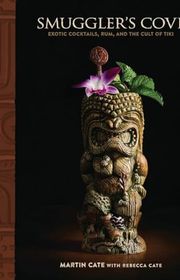
Smuggler's Cove: Exotic Cocktails, Rum, and the Cult of Tiki
For readers who want to explore rum and tropical cocktail traditions in depth. Its classification and recipes offer a more extensive foundation for the style than a general manual, though the bottle collection and preparations can become substantial.
What it's about
Martin and Rebecca Cate explore tropical cocktail history, rum styles, and the culture surrounding their San Francisco bar. Recipes accompany guidance on selecting spirits, preparing syrups, and using techniques that shape the flavors and presentation of these drinks.

The Aviary Cocktail Book
For experienced mixers or readers who enjoy ambitious culinary projects. Its elaborate presentations provide more visual and technical inspiration than everyday bar manuals, though many drinks demand substantial preparation, equipment, and hard-to-find ingredients.
What it's about
Grant Achatz and Nick Kokonas present inventive drinks from Chicago's Aviary bar in a large illustrated collection. Recipes, detailed photography, and whimsical artwork document its experimental approach to cocktails, combining culinary techniques with elaborate presentation.

The Craft of the Cocktail
Everything You Need to Know to Be a Master Bartender, with 500 Recipes
For home bartenders who want recipes, basic techniques, and cocktail background together. The combination provides a broad entry point into classic drinks, though readers seeking detailed hospitality operations or laboratory-style experiments will want a more specialized book.
What it's about
Dale DeGroff introduces cocktail making through spirits, tools, techniques, and five hundred recipes. Historical anecdotes accompany practical guidance on stocking a bar, using fresh ingredients, and preparing both classic and contemporary drinks for guests at home.

Jerry Thomas Bartenders Guide 1862 Reprint
How to Mix Drinks, or the Bon Vivant's Companion
For readers interested in the historical roots of American mixed drinks. The reprinted recipes offer direct contact with nineteenth-century practice, though obsolete measurements, ingredients, and assumptions make it a historical document rather than a modern beginner's handbook.
What it's about
This reprint preserves Jerry Thomas’s 1862 collection of mixed drinks, from juleps and punches to lesser-known nineteenth-century preparations. It also includes Christian Schultz’s manual for making cordials, liquors, and syrups, offering a window into the craft of early American bartending.

I'm Just Here for the Drinks
A Guide to Spirits, Drinking and More Than 100 Extraordinary Cocktails
For readers who enjoy learning spirits through a bartender's conversational voice. Its personal approach makes a lively companion to formula-led guides, though it offers a less systematic curriculum than Cocktail Codex for complete beginners.
What it's about
Sother Teague introduces spirits and cocktail making through recipes, history, and insights from professional bartending. More than one hundred drinks range from familiar classics to lesser-known combinations, with explanations intended to make choosing and mixing drinks more approachable.

Spirits of Latin America
A Celebration of Culture & Cocktails, with 100 Recipes from Leyenda & Beyond
For readers who want more context for tequila, rum, pisco, and related spirits. Its cultural and production focus reaches beyond standard cocktail collections, though trying the recipes may require bottles outside a small home bar.
What it's about
Ivy Mix explores Latin American spirits through travel, cultural history, and cocktail recipes. Tequila, rum, pisco, and other drinks become entry points into the people and production traditions behind them, with recipes drawn from Leyenda and fellow bartenders.

The New Craft of the Cocktail
Everything You Need to Know to Think Like a Master Mixologist, with 500 Recipes
For readers who want a broad modern reference with many recipes in one place. Its mixture of technique, ingredients, and classic drinks offers useful range, though it is less focused than a dedicated science or history book.
What it's about
Dale DeGroff revisits his cocktail guide with additional recipes and updated discussions of spirits and bartending. Five hundred drinks accompany explanations of ingredients, tools, history, and technique, encouraging readers to understand the choices behind a well-balanced cocktail.
Sources
- 1
The Best Bartending Guides and Cocktail Books, According to Bartenders
eater.com
- 2
22 Essential Cocktail Books Every Drinks Lover Should Own
epicurious.com
- 3
The 25 Cocktail Books Bartenders Swear By
insidehook.com
- 4
Cocktails Books
goodreads.com
- 5
Favorite cocktail books
reddit.com
- 6
The 17 Best Cocktail Books
liquor.com
- 7
The 7 Best Books for Bartenders at Every Stage
liquor.com
- 8
Bartender Books: 7 Of The Best
barschool.net
- 9
The 9 Best Bartending and Cocktail Books
thespruceeats.com
- 10
Bartending Books
goodreads.com
- 11
I made a list of bartending books to read, but where to start?
reddit.com
- 12
The Best Cocktail Books, According to Our Editors (2025)
bonappetit.com
- 13
20 Essential Cocktail Books Every Bartender Should Know
vinepair.com
- 14
These Are 19 of Our Favorite Cocktail Books
seriouseats.com
- 15
Cocktail book recommendations
reddit.com
- 16
10 Books Every Bartender Should Read in 2026
craftybartending.com







Edited by
Software engineer whose passion for tracking book recommendations from podcasts inspired the creation of MRB.
Lead investor at 3one4 Capital whose startup expertise and love for books helped shape MRB and its growth.
Comments
Did we miss something? Have feedback?
Help us improve this page by sharing your thoughts