
17 Best Coffee Books
The best coffee books, ranked by how many expert sources recommend each one, with notes for home brewers, working baristas, and readers curious about coffee history.
Our take
Coffee books can help you make a better morning cup, understand a café’s workflow, or follow the beans back to the people who grow them. Those are different reading projects. A regional atlas may explain why coffees taste different without telling you exactly what to adjust on your grinder.
For practical home brewing, Craft Coffee concentrates on manual methods, while How to Make the Best Coffee at Home offers a broader starting point. The Professional Barista’s Handbook and Everything but Espresso ask for more attention to technique and measurement. Readers who want illustrated drinks or a creative project may prefer Coffee Obsession or Coffee Art.
The history and reporting books look beyond preparation. Uncommon Grounds takes a long view of the industry, Brewing Justice examines fair trade through farming communities, and God in a Cup follows specialty coffee’s ambitions. Start with the question you want answered, whether it concerns tomorrow’s brew or the world behind it.
17 books · 9 sources · Last updated
As an Amazon Associate, we earn from qualifying purchases (at no extra cost to you).
How to choose from this list
Skip to the full rankingIf you want better coffee at home: How to Make the Best Coffee at Home → Craft Coffee
If you want to understand origins: The World Atlas of Coffee
If you are developing professional skills: The Professional Barista's Handbook → Everything but Espresso
If you want to practice milk designs: Coffee Art
If you want industry history and ethics: Uncommon Grounds → Brewing Justice
The 17 books, ranked
Ranked by how many expert sources name each book. Ties go to the book more people recommend.

The World Atlas of Coffee
From Beans to Brewing -- Coffees Explored, Explained and Enjoyed
For readers who want to connect what is in the cup with where and how coffee grows. Its regional coverage gives it more breadth than a brewing manual, though it offers less detailed troubleshooting for your daily routine.
What it's about
James Hoffmann explores the factors shaping coffee's flavor, from varieties and growing conditions to harvesting, processing, roasting, and brewing. A country-by-country survey connects regional characteristics with the production methods behind coffees from around the world.

For home brewers who want to improve ordinary cups without café equipment. Its focus on manual methods makes practical decisions easier to follow, though espresso drinkers will need a separate guide for their machines.
What it's about
Jessica Easto explains how to improve brewed coffee at home through pour-over, immersion, and cold-brew methods. The manual covers beans, equipment, extraction, water, grind size, flavor, and troubleshooting, with instructions for ten brewing devices.

For readers who want coffee’s business history alongside its social impact. Its long view connects consumption with trade and power, though the substantial length makes it a bigger commitment than a short cultural introduction.
What it's about
Mark Pendergrast traces coffee's history from its Ethiopian origins to the global specialty coffee industry. His account connects cultivation, trade, marketing, and consumption with colonialism, labor, politics, and the changing relationship between producers and drinkers.

For readers who enjoy a coffee book with photographs, food, and a roaster’s perspective. Its combination of brewing and accompanying recipes adds variety, though some of the approach reflects one company’s preferences.
What it's about
James Freeman, Caitlin Freeman, and Tara Duggan trace artisan coffee from sourcing beans to roasting, brewing, and tasting at home. Photographs and practical instructions accompany recipes for baked goods, desserts, and other foods that incorporate or complement coffee.

The Professional Barista's Handbook
An Expert Guide to Preparing Espresso, Coffee, and Tea
For working baristas and committed home enthusiasts who want a technical foundation. Its café perspective connects preparation with professional demands, though the dense detail and older equipment context require more effort than a beginner guide.
What it's about
Scott Rao presents practical guidance for preparing espresso, coffee, and tea in a café setting. Drawing on his experience in the coffee business, the handbook addresses the preparation skills and working knowledge sought by baristas and dedicated home brewers.

Everything but Espresso
For brewers ready to understand how changing variables alters extraction. Its technical focus goes deeper than a recipe collection, though it assumes patience with measurement and deliberately leaves espresso preparation to other books.
What it's about
Scott Rao explains coffee brewing methods beyond espresso, focusing on extraction and the effects of changing brewing parameters. The guide covers drip, pour-over, press pot, and vacuum pot techniques, alongside water chemistry and the storage of beans.

For readers who want to examine what fair trade means for growers. Its community research gives ethical shopping claims concrete context, though the academic style and Mexican focus make it less suited to casual brewing advice.
What it's about
Daniel Jaffee investigates fair-trade coffee through research with farming communities in Oaxaca, Mexico. Comparing cooperative members with conventional producers, he examines its social, economic, and environmental effects, revealing both the benefits and limits of this alternative market.

Coffee Art
For readers who want to practice visual designs in milk foam. Its step by step patterns give a clearer project path than general coffee books, though some elaborate creations emphasize decoration over everyday drink preparation.
What it's about
Dhan Tamang teaches latte art through step-by-step instructions, beginning with basic patterns and progressing to intricate designs. The guide covers pouring, etching, stenciling, and sculpting, including multicolored creations and three-dimensional animals made from milk foam.
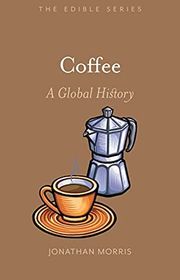
Coffee: A Global History
For readers who want coffee history without committing to a long industry chronicle. Its compact global scope connects production and consumption clearly, though the short format necessarily compresses regional detail and individual business stories.
What it's about
Jonathan Morris traces coffee from its origins to a worldwide commodity. He examines how people grew, traded, prepared, and drank it, connecting changing tastes and technologies with the businesses and political relationships behind the beverage.

For readers who prefer people and reporting to equipment instructions. Its close look at specialty coffee ambitions makes the trade more tangible, though it captures a particular period rather than the industry as it stands today.
What it's about
Michaele Weissman follows specialty coffee roasters on their worldwide search for exceptional beans. Her reporting explores the ambitions, competitive standards, and relationships with growers behind American coffee connoisseurship, connecting flavor with entrepreneurship and the lives of farming communities.
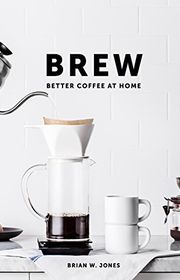
Brew: Better Coffee at Home
For home enthusiasts who want brewing instructions alongside creative drink recipes. Its mix of methods and cocktails offers more variety than a narrow technical manual, though espresso specialists will need a more focused reference.
What it's about
Brian W. Jones introduces specialty coffee for home use, from buying beans and equipment to brewing with several manual methods. Recipes for coffee drinks and cocktails extend the guide beyond a basic cup into everyday experimentation.

Coffee Obsession
For readers who learn through photographs, maps, and illustrated drink instructions. Its broad visual approach makes unfamiliar styles approachable, though the breadth leaves less room for the extraction detail found in specialist manuals.
What it's about
Anette Moldvaer explores coffee from its producing regions to the finished drink. Flavor profiles, tasting notes, and step-by-step techniques accompany recipes for familiar coffee styles, helping readers understand beans, brewing methods, and barista preparation.
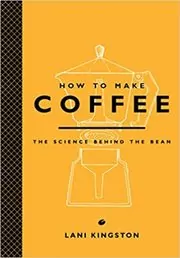
For curious beginners who want to know why brewing choices matter. Its illustrated science makes the subject less intimidating than a professional manual, though the broad introduction stops short of advanced quantitative analysis.
What it's about
Lani Kingston explains the science behind coffee, from the structure of the bean to caffeine and extraction. Illustrated instructions cover roasting, grinding, brewing, and equipment, connecting practical choices with the chemistry that shapes a cup's flavor.
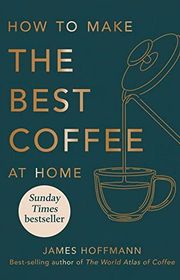
How to Make the Best Coffee at Home
For beginners who want better coffee with equipment they can actually use at home. Its practical focus is more immediately actionable than a regional atlas, though experienced baristas may already know much of the foundation.
What it's about
James Hoffmann explains choosing beans, understanding equipment, and brewing coffee in a home kitchen. The guide addresses grinding, water, extraction, and several preparation methods, helping readers identify changes that can improve their everyday coffee.
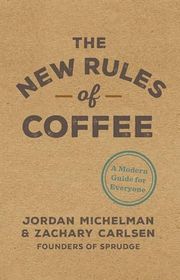
The New Rules of Coffee: A Modern Guide for Everyone
For readers who want a compact introduction to contemporary coffee habits and vocabulary. Its short entries are easy to browse, though the light format cannot provide the technical depth of a dedicated brewing handbook.
What it's about
Jordan Michelman and Zachary Carlsen introduce modern coffee through short illustrated rules. They cover buying, brewing, café etiquette, and the culture surrounding the drink, offering an accessible route into a subject that can feel intimidating.

For readers interested in the leadership and business side of a coffee chain. The turnaround account provides an insider’s view of corporate decisions, though it is a leader’s perspective rather than an independent industry history.
What it's about
Howard Schultz recounts returning as Starbucks chief executive in 2008 to confront declining performance and restore the company's values. Written with Joanne Gordon, the account examines leadership decisions, organizational renewal, and the pressures of the financial crisis.
Also recommended by
2 people Ron Conway recommended this book
Ron Conway
"Story of his return to Starbucks, and the success of the company in a tumlutuous economic time in history." - Ron Conway
Ron Conway's recommendation of this book  Tom Bilyeu recommended this book
Tom Bilyeu
Tom Bilyeu recommended this book on his website.
Tom Bilyeu's recommendation of this book

For home drink makers who want flavored coffees, desserts, and cocktails. Its recipe range offers more playful variety than technical brewing manuals, though readers focused on tasting unadorned specialty coffee may find less to use.
What it's about
Susan Zimmer combines coffee-making advice with more than one hundred recipes for hot and cold drinks. The guide covers beans, storage, grinding, brewing, cappuccinos, latte art, desserts, and cocktails, with techniques for home enthusiasts and professionals.
Sources
- 1
Best Coffee Books
batchcoffee.co.uk
- 2
11 of the Best Books About Coffee
nescafe.com
- 3
12 Best Books on Coffee in 2026 (From Brewing to Barista)
coffeevoila.com
- 4
The 10 Best Coffee Books Of All Time
thecoffeefolk.com
- 5
4 Books Every Coffee Enthusiast Should Read
foodandwine.com
- 6
Books About Coffee
goodreads.com
- 7
Best Coffee Books to Improve Your Coffee Knowledge
dialupthecoffee.com
- 8
Coffee books & resources to improve brewing - r/Coffee's recommendations
reddit.com
- 9
Best resources for learning about coffee?
reddit.com




Edited by
Software engineer whose passion for tracking book recommendations from podcasts inspired the creation of MRB.
Lead investor at 3one4 Capital whose startup expertise and love for books helped shape MRB and its growth.
Comments
Did we miss something? Have feedback?
Help us improve this page by sharing your thoughts