
13 Best Fasting Books
The best fasting books, ranked by expert source recommendation counts, with notes on schedules, recipes, research claims, and which approach each book explains.
Our take
Fasting books describe several different approaches to meal timing, from daily eating windows to occasional days of restricted intake. Some concentrate on routines and recipes, while others argue for a particular explanation of metabolism or aging. A clear account of an author’s method is useful for comparison, but popularity and confident health claims do not establish that a program is effective or suitable for everyone.
The Complete Guide to Fasting surveys several approaches, while The FastDiet explains a specific pattern of weekly restriction. Fast. Feast. Repeat. and Life in the Fasting Lane emphasize practical questions and habits. Complete Intermittent Fasting adds recipes, and The Longevity Diet places fasting within a broader argument about nutrition and aging. Clinical evidence does not establish a clear weight loss advantage over conventional dietary advice.
Start by comparing the books’ scope and evidence; seek individual clinical advice before changing meal timing if you take diabetes medication or have a history of disordered eating.
13 books · 7 sources · Last updated
As an Amazon Associate, we earn from qualifying purchases (at no extra cost to you).
How to choose from this list
Skip to the full rankingIf you want to compare fasting approaches: The Complete Guide to Fasting
If you want an accessible personal perspective: Delay, Don't Deny → Fast. Feast. Repeat.
If you want recipes alongside explanations: Complete Intermittent Fasting
If you want to understand Fung's argument: The Obesity Code → Life in the Fasting Lane
If you're comparing plant based approaches: Vegan Intermittent Fasting
If you're examining claims about aging: The Longevity Diet
The 13 books, ranked
Ranked by how many expert sources name each book. Ties go to the book more people recommend.
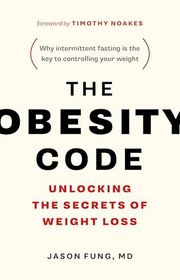
The Obesity Code
For readers who want to understand Fung’s hormonal account of weight regulation before examining his fasting proposals. Its sustained argument provides more context than a schedule guide, though the emphasis on insulin is one interpretation of a complex subject.
What it's about
Jason Fung presents his account of obesity, emphasizing hormonal regulation and insulin alongside food choices and meal timing. He critiques conventional dietary explanations and argues for changes in eating patterns, including intermittent fasting, as part of his proposed approach.

The Complete Guide to Fasting
Heal Your Body Through Intermittent, Alternate-Day, and Extended Fasting
For readers who want to compare several forms of fasting in one organized guide. Its question based coverage makes the authors’ approach easy to navigate, though extended fasting and broad healing claims require independent medical assessment.
What it's about
Fung and Jimmy Moore explain intermittent, alternate-day, and extended fasting through their proposed approach to nutrition and metabolic health. The guide discusses different schedules, managing hunger, common questions, and the practical challenges involved in adopting fasting routines.
Also recommended by
1 person Nassim Taleb recommended this book
Nassim Taleb
"An excellent book!" - Nassim Taleb
Nassim Taleb's recommendation of this book
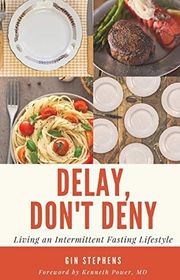
Delay, Don't Deny
For readers who want a personal, accessible explanation of fitting eating windows into ordinary life. Its informal style places daily experience first, though the experiential approach offers less critical evaluation of evidence than a research focused discussion.
What it's about
Gin Stephens describes her experience with intermittent fasting and presents an approach based on changing meal timing rather than eliminating favorite foods. Practical discussions address eating windows, habits, and the challenges of maintaining the author’s proposed routine.

For readers comparing occasional longer fasts with daily eating windows. Its focus on a single flexible framework makes the distinction clear, though a simple schedule does not establish suitability or safety for an individual reader.
What it's about
Brad Pilon presents an intermittent fasting program built around occasional breaks from eating of approximately twenty four hours. He explains his reasoning, discusses flexibility and ordinary eating between fasts, and connects the approach with his views on weight management.

Fast. Feast. Repeat.
The Comprehensive Guide to Delay, Don't Deny® Intermittent Fasting--Including the 28-Day FAST Start
For readers who want a conversational introduction with extensive questions and answers. Its attention to habits and expectations is more approachable than a technical discussion, though personal experience and selected research do not establish that fasting suits everyone.
What it's about
Gin Stephens explains her approach to intermittent fasting, including a twenty eight day introduction for beginners. Discussions of eating schedules, mindset, and adapting a routine accompany her interpretation of research and an extensive section answering common questions.

The FastDiet
Lose Weight, Stay Healthy, and Live Longer with the Simple Secret of Intermittent Fasting
For readers interested in the origins and structure of the popular two day restriction approach. Its combination of explanation and recipes makes the proposal concrete, though the title’s longevity promises exceed what a general dietary program can establish.
What it's about
Michael Mosley and Mimi Spencer present their intermittent fasting approach, combining ordinary eating with restricted intake on two days each week. This revised edition adds recipes, research discussions, and material on dieting psychology to their explanation of the program.

Keto Intermittent Fasting
100 High-Fat Low-Carb Recipes and Fasting Guidelines to Supercharge Your Health
For readers specifically comparing a ketogenic diet combined with intermittent fasting. Its large recipe collection makes the food restrictions clear, though combining two restrictive approaches adds complexity and provides no guarantee of improved health outcomes.
What it's about
Brian Stanton combines ketogenic eating with intermittent fasting in a guide featuring one hundred recipes. Explanations of the proposed dietary approach accompany high fat, low carbohydrate meals, preparation tips, and discussions of common challenges when changing eating routines.

The Longevity Diet
For readers interested in the connection between dietary patterns, fasting research, and aging. Its wider nutritional framework distinguishes it from schedule based guides, though experimental mechanisms and human longevity benefits should not be treated as equivalent evidence.
What it's about
Valter Longo presents his research-informed approach to eating and aging, including a largely plant-based diet and periodic fasting-mimicking regimens. The book explains his proposed nutritional principles and supplies recipes and plans intended to support long-term health.
Also recommended by
1 person Kevin Rose recommended this book
Kevin Rose
"Pretty awesome." - Kevin Rose
Kevin Rose's recommendation of this book

Complete Intermittent Fasting
Practical Guidelines and Healthy Recipes to Lose Weight and Improve Wellness
For readers who prefer practical organization and recipes alongside an overview of eating schedules. Its meal planning focus makes the approach easier to compare with daily routines, though general guidance cannot resolve individual nutritional needs or medication risks.
What it's about
Jean LaMantia compares intermittent fasting schedules and explains her approach to incorporating them into daily life. Meal plans, fifty recipes, and answers to common questions accompany discussions of adapting eating windows and managing the challenges of maintaining a routine.

Intermittent Fasting Diet Guide and Cookbook
A Complete Guide to Fasting Strategies with 50+ Satisfying Recipes and 4 Flexible Meal Plans
For readers comparing meal plans as well as different fasting schedules. Its recipes make the proposed eating pattern tangible, though its lower carbohydrate emphasis narrows the dietary approach and may not match every reader’s preferences or nutritional requirements.
What it's about
Becky Gillaspy introduces several intermittent fasting schedules and explains how she proposes fitting them into everyday life. Meal plans and recipes emphasize lower carbohydrate meals, while questions and practical discussions address eating windows, exercise, and maintaining the routine.

Intuitive Fasting
The Flexible Four-Week Intermittent Fasting Plan to Recharge Your Metabolism and Renew Your Health
For readers curious about a flexible program framed around hunger awareness and metabolic flexibility. Its staged format gives the proposal structure, though the author’s use of intuition should not be confused with unrestricted eating or independently proven health outcomes.
What it's about
Will Cole outlines a flexible four week intermittent fasting program, connecting changes in eating schedules with his concept of metabolic flexibility. The book combines his health arguments with guidance intended to help readers recognize hunger patterns and adjust routines.

Life in the Fasting Lane
How to Make Intermittent Fasting a Lifestyle—and Reap the Benefits of Weight Loss and Better Health
For readers interested in the social and habitual challenges of the authors’ fasting approach. Its mixture of explanation and lived experience makes everyday obstacles visible, though anecdotes about results cannot establish effectiveness or suitability for other people.
What it's about
Fung, Megan Ramos, and Eve Mayer combine explanations of intermittent fasting with personal experiences and practical guidance. Their program addresses common questions, habits, and individual responses, proposing ways to integrate fasting into daily routines and social life.

Vegan Intermittent Fasting
Lose Weight, Reduce Inflammation, and Live Longer―The 16:8 Way
For readers exploring how a fasting proposal is combined with wholly plant based meals. Its vegan recipe focus distinguishes it from the keto oriented books, though nutritional adequacy and the title’s disease and longevity claims need separate evaluation.
What it's about
Petra Bracht and Mira Flatt combine a sixteen hour fasting schedule with plant based meals. Their guide explains the authors' dietary approach and provides vegan recipes, addressing how to organize eating windows while following a wholly plant based diet.
Sources
- 1
Fasting Resources | The Human Operating Manual
thehumanoperatingmanual.com
- 2
Books on Intermittent Fasting: Top Book Recommendations for Your Specific Needs | Aspect Health
aspect-health.com
- 3
Intermittent Fasting Books - WeFast
wefast.care
- 4
Best Fasting and Intermittent Fasting Books (29 books)
goodreads.com
- 5
41 Best Intermittent Fasting Books of All Time (Updated for 2026)
shortform.com
- 6
Fasting Books : r/intermittentfasting
reddit.com
- 7
The 10 Best Intermittent Fasting Books You Can Buy Online In 2022
womenshealthmag.com








Edited by
Software engineer whose passion for tracking book recommendations from podcasts inspired the creation of MRB.
Lead investor at 3one4 Capital whose startup expertise and love for books helped shape MRB and its growth.
Comments
Spotted a missing book, a wrong order or a mistake? Tell us and we'll fix this page.
We're a reading guide, not the author or publisher, so we can't send books or pass on messages.