
10 Best Environmental Science Books
The best environmental science books, ranked by expert source recommendation counts, with notes on ecology, climate impacts, pollution, and ethics.
Our take
Environmental science connects living systems with the physical conditions and human decisions that shape them. The books here approach those connections through research, field reporting, historical investigation, and reflective essays. Some focus on one place or problem, while others ask how people understand their responsibilities toward land, species, and future generations.
The Sixth Extinction examines biodiversity loss through natural history and reporting. The Ends of the World looks further back at past mass extinctions, and The Death and Life of the Great Lakes follows change within one freshwater system. For pollution, Silent Spring offers an influential historical investigation and How to Give Up Plastic concentrates on everyday action and campaigning. Rising explores coastal communities confronting change, while A Sand County Almanac and Braiding Sweetgrass connect ecological observation with environmental ethics.
Start with a concrete subject that interests you, then add a broader history or reflective account to place the scientific questions within their human context.
10 books · 8 sources · Last updated
As an Amazon Associate, we earn from qualifying purchases (at no extra cost to you).
How to choose from this list
Skip to the full rankingIf you want an introduction to biodiversity loss: The Sixth Extinction
If you want deep-time context: The Ends of the World
If you want a detailed regional case: The Death and Life of the Great Lakes
If you're exploring pollution and public debate: Silent Spring → How to Give Up Plastic
If you want climate impacts in human terms: Rising → The Uninhabitable Earth
If you're interested in ecological ethics: A Sand County Almanac → Braiding Sweetgrass → Walden
The 10 books, ranked
Ranked by how many expert sources name each book. Ties go to the book more people recommend.
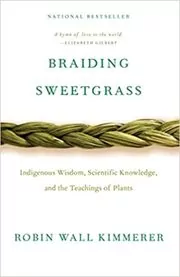
Braiding Sweetgrass
Indigenous Wisdom, Scientific Knowledge and the Teachings of Plants
For readers who want botanical knowledge considered alongside Indigenous traditions and reciprocal relationships with place. Its reflective essays broaden the questions asked about environmental responsibility, though memoir and cultural interpretation share space with scientific explanation.
What it's about
Kimmerer braids personal stories, botany, and Potawatomi teachings into essays about what plants can teach us about reciprocity, gratitude, and care. It asks readers to see the living world as kin, not backdrop.
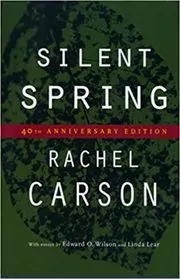
Silent Spring
For readers who want to understand how evidence about chemicals and ecosystems entered public debate. Its connected account of environmental harm remains historically important, though specific scientific and regulatory details need reading alongside developments since publication.
What it's about
Carson examines what widespread pesticide use, especially DDT, was doing to birds, waterways, and human health. It is a clear, unsettling case against chemical shortcuts and a turning point in environmental writing.
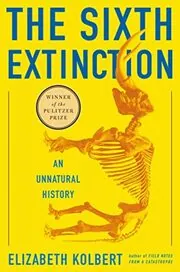
For readers who want biodiversity loss explained through field reporting and natural history. Its combination of individual species and geological context makes a large problem tangible, though selected stories provide less systematic coverage than an ecology textbook.
What it's about
Kolbert travels with researchers to reefs, rain forests, and fossil sites to argue that humans are driving a new mass extinction. The book blends natural history, field reporting, and urgent questions about what disappears with each lost species.
Also recommended by
2 people Barack Obama recommended this book
Barack Obama
Barack Obama's "2016 Summer Reading List."
Barack Obama's recommendation of this book  Bill Gates recommended this book
Bill Gates
"Makes a compelling case that all this [human] activity is leading to the sixth mass extinction in the Earth’s history." - Bill Gates
Bill Gates's recommendation of this book

Walden
For readers interested in the philosophical roots of close attention to nature and deliberate living. Its observations connect landscape with questions about work and consumption, though it is a personal literary experiment rather than a scientific introduction to ecosystems.
What it's about
Henry David Thoreau reflects on living in a small cabin beside Walden Pond, combining practical details with observations of nature. His account examines simplicity, work, solitude, and deliberate living, questioning the habits and material priorities of society.
Also recommended by
3 people Emma Watson recommended this book
Emma Watson
On the "books read" section of Emma Watson's GoodReads profile.
Emma Watson's recommendation of this book  Michael Pollan recommended this book
Michael Pollan
"For its bracing prose as much as anything else. I’ve been arguing with [the author] for most of my career." - Michael Pollan
Michael Pollan's recommendation of this book  Shane Parrish recommended this book
Shane Parrish
"A reflection on simplicity." - Shane Parrish
Shane Parrish's recommendation of this book

The Ends of the World
Volcanic Apocalypses, Lethal Oceans, and Our Quest to Understand Earth's Past Mass Extinctions
For readers who want present environmental concerns placed within Earth’s deep history. Its account of mass extinctions makes geological evidence accessible, though dramatic past events provide context rather than a simple prediction of what happens next.
What it's about
Peter Brannen investigates Earth's five major mass extinctions through geological evidence and scientific research. His journey into deep time examines catastrophic changes in climate and oceans, asking what these vanished worlds suggest about the planet's possible future.
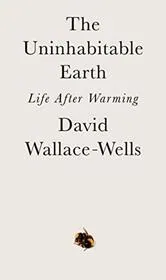
The Uninhabitable Earth
For readers who want a forceful journalistic account of potential climate impacts across human life. Its wide scope connects environmental risks with social consequences, though the alarming emphasis and publication date require care with scenarios and updated evidence.
What it's about
Wallace-Wells maps the human fallout of climate change in clear, urgent terms, from deadly heat and food stress to migration and political upheaval. It is a big-picture look at how warming could reshape everyday life within this century.

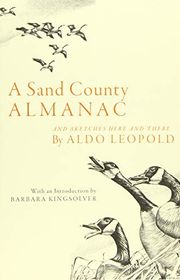
A Sand County Almanac and Sketches Here and There
For readers interested in ecological observation and the ethical questions behind conservation. Its essays connect seasonal detail with a broader land ethic, though the literary, place-based approach offers less technical instruction than a modern environmental science text.
What it's about
Aldo Leopold combines seasonal observations around his Wisconsin home with reflections on landscapes elsewhere. These essays explore wildlife, ecological relationships, and conservation, developing his land ethic as a call for responsibility toward the wider community of living things.
Also recommended by
1 person Mike Phillips recommended this book
Mike Phillips
"It speaks to the need for us to recognize we’re just as much a part of this planet as the wondrous diversity of life that still surrounds us." - Mike Phillips
Mike Phillips's recommendation of this book

For readers who want everyday plastic use connected with wider campaigning and business decisions. Its household examples make the issue concrete, though a focused practical guide gives less depth on material science, waste systems, and comparative environmental impacts.
What it's about
Will McCallum takes readers through homes and workplaces to identify disposable plastics and alternatives. His guide combines everyday changes with stories from environmental campaigns, explaining how individuals can press businesses and community leaders to reduce plastic waste.

For readers who want to understand sea-level rise through places and people already confronting change. Its blend of reporting and reflection makes vulnerability visible, though the American coastal focus provides less global or technical coverage than a broad climate reference.
What it's about
Elizabeth Rush visits American coastlines being transformed by rising seas, from the Gulf Coast to the Bay Area. Combining reporting with personal reflection, she explores ecological change, community vulnerability, and the difficult decision to leave familiar places.

The Death and Life of the Great Lakes
For readers who prefer one interconnected freshwater system explored in depth. Its reporting connects ecology, infrastructure, and human decisions through a specific region, though the Great Lakes focus gives less coverage of other environments or global processes.
What it's about
Dan Egan traces the Great Lakes' ecological history and the threats facing their interconnected waters. His reporting examines the human choices behind environmental damage while exploring possibilities for restoring and protecting this freshwater system for future generations.
Sources
- 1
The Best Environmental Books for Readers Who Want to Save the Planet
bookriot.com
- 2
Environmental Science Books
goodreads.com
- 3
100 Best Environmental Science Books of All Time (Updated for 2026)
shortform.com
- 4
Book Recs? : r/environmental_science
reddit.com
- 5
Book recommendations? : r/ecology
reddit.com
- 6
7 Great Books on Environmental Science | Earth.Org
earth.org
- 7
23 Must-Read Science Books About the Environment, Chosen by Earthwatch Scientists | Earthwatch
earthwatch.org
- 8
13 must-read books on the environment and climate change | Earth Day
earthday.org





Edited by
Software engineer whose passion for tracking book recommendations from podcasts inspired the creation of MRB.
Lead investor at 3one4 Capital whose startup expertise and love for books helped shape MRB and its growth.
Comments
Spotted a missing book, a wrong order or a mistake? Tell us and we'll fix this page.
We're a reading guide, not the author or publisher, so we can't send books or pass on messages.