
11 Best China History Books
The best China history books, ranked by how many expert sources recommend each one, with notes on broad surveys, memoirs, social change and where to start.
Our take
China’s history spans changing states, regional cultures, dynasties, revolutions and transformations in ordinary life. A single-volume survey can establish the chronology, but memoirs and focused studies reveal experiences that a broad narrative has little space to follow. The books here range from accounts across many centuries to reporting on migration, family policy and inequality.
China: A History provides a long historical sweep, while The Search for Modern China concentrates on the centuries leading into the modern state. Wild Swans follows twentieth-century upheaval through three generations of a family. China in Ten Words uses essays and personal recollections to examine recent change, and Factory Girls brings industrialization into focus through young migrant workers. China from Empire to Nation-State takes a more theoretical approach to the ideas behind political transformation.
Begin with a survey if you need the timeline, then choose a memoir or focused study to deepen one period or question. Personal accounts are most useful when read within that wider context.
11 books · 8 sources · Last updated
As an Amazon Associate, we earn from qualifying purchases (at no extra cost to you).
How to choose from this list
Skip to the full rankingIf you want a long chronological overview: China: A History
If you want a substantial modern history: The Search for Modern China
If you want family experience across political upheaval: Wild Swans → Six Chapters from My Life "Downunder"
If you want everyday perspectives on recent change: China in Ten Words → Factory Girls
If you want gender and family policy: Leftover Women → One Child
If you want political and intellectual analysis: The Search for Modern China → China from Empire to Nation-State
The 11 books, ranked
Ranked by how many expert sources name each book. Ties go to the book more people recommend.

For readers who connect major political changes with family experience. Its three generations give twentieth-century upheaval emotional continuity, though the personal and strongly critical perspective should be read alongside histories drawing on a wider range of evidence.
What it's about
Part family memoir and part twentieth-century history, Wild Swans follows Jung Chang, her mother, and her grandmother through war, revolution, and the Cultural Revolution. It turns private lives into a vivid portrait of modern China.
Also recommended by
3 people Hillary Clinton recommended this book
Hillary Clinton
"An inspiring tale of women who survived every kind of hardship, deprivation and political upheaval with their humanity intact." - Hillary Clinton
Hillary Clinton's recommendation of this book  Andrew Chen recommended this book
Andrew Chen
"It was incredibly important and formative. Must read." - Andrew Chen
Andrew Chen's recommendation of this book  Richard Branson recommended this book
Richard Branson
Richard Branson recommended this book on his "70 must-read books" blog post.
Richard Branson's recommendation of this book

The Search for Modern China
For readers who want a substantial framework for China’s modern history before turning to memoirs and reporting. Its integration of political, social and cultural developments provides context, though the textbook scale and detail require a sustained reading commitment.
What it's about
Jonathan D. Spence traces the development of modern China from changes beginning in the early seventeenth century. His survey combines social and political history with an examination of Chinese culture and its relationship to political life.
Also recommended by
1 person Edward Norton recommended this book
Edward Norton
"The definitive book about modern Chinese history." - Edward Norton
Edward Norton's recommendation of this book

China in Ten Words
For readers who want an essayistic view of China’s recent transformation rather than a chronological survey. Its focus on familiar words connects political language with personal experience, though the sharp observations offer a selective perspective instead of comprehensive coverage.
What it's about
Yu Hua uses ten familiar Chinese words and phrases to examine his country's transformation. Personal recollections and social observations connect the Cultural Revolution with contemporary life, revealing tensions behind economic growth and the changing meaning of everyday language.
China: A History
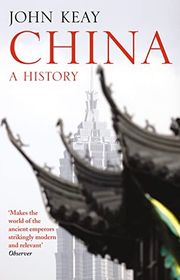
For readers who want a broad chronological account reaching far beyond the twentieth century. Its sweep helps place modern events within a longer imperial history, though covering so many centuries necessarily compresses local experiences and specialist debates.
What it's about
John Keay surveys China’s history from early states through successive dynasties and the upheavals of the modern era. Political events, regional differences, cultural developments and encounters with neighboring peoples shape his account of continuity and change across centuries.

For readers who want to understand industrial change through workers’ ambitions and daily decisions. Its close attention to young migrant women gives economic transformation a human scale, though it captures particular lives and places rather than a national labor history.
What it's about
Leslie Chang follows two young women trying to advance beyond factory assembly lines in Dongguan. Their changing jobs, ambitions, and relationships illuminate migration from rural villages and the personal consequences of China's rapid industrial and social transformation.

For readers interested in how people challenged secrecy and repression during economic transformation. Its reported portraits make political tensions concrete, though the cases reflect the period of the reporting and cannot stand as an account of present-day conditions.
What it's about
Philip P. Pan reports on people challenging repression and official secrecy in China, from activists to ordinary citizens. Their experiences reveal tensions between economic transformation and political control, questioning whether prosperity necessarily brings greater freedom.
Also recommended by
1 person Patrick Collison recommended this book
Patrick Collison
Patrick Collison labeled this book "particularly great."
Patrick Collison's recommendation of this book

China from Empire to Nation-State
For readers ready to examine the ideas behind China’s shift from empire to nation-state. Its challenge to familiar modernization narratives offers conceptual depth, though the theoretical language and assumed historical knowledge make it demanding without a survey first.
What it's about
Wang Hui examines the historical ideas and institutions behind China’s transformation from empire to nation-state. Drawing from his larger history of modern Chinese thought, he questions familiar narratives of modernization and explores connections between imperial traditions and modern identity.

For readers who want gender and property placed within the story of contemporary change. Its focused argument connects marriage pressure with material inequality, though the selected urban experiences and policy context do not cover every woman’s life in China.
What it's about
Leta Hong Fincher investigates gender inequality in China through the stigmatization of unmarried professional women. Interviews and research connect pressure to marry with property ownership, wealth disparities, discrimination, and women’s efforts to resist restrictive social expectations.

For readers who want population policy understood through the families who lived with it. Its reporting connects individual consequences with wider social pressures, though the emotionally difficult stories address one policy’s legacy rather than China’s entire demographic history.
What it's about
Mei Fong investigates the human consequences of China’s one-child policy through the lives of affected families. Her reporting examines undocumented children, aging parents, gender imbalances, and adoption, connecting individual experiences with the policy’s broader social and economic legacy.

Six Chapters from My Life "Downunder"
For readers who prefer a brief, intimate memoir to a large political narrative. Its attention to everyday details makes a Cultural Revolution cadre school tangible, though the restrained personal view offers little systematic explanation of the wider movement.
What it's about
Yang Jiang recalls life in a rural cadre school during China’s Cultural Revolution. Six brief chapters focus on manual labor, everyday hardships, personal relationships, and moments of affection, offering an intimate view of political upheaval through ordinary experiences.

For readers interested in voices from social margins rather than national leaders. Its interview-based portraits bring unusual occupations and difficult lives into view, though the collection is selective and does not provide a continuous or representative national history.
What it's about
Liao Yiwu gathers conversations with people living at the margins of Chinese society, including mourners, grave robbers, and public toilet workers. Their accounts of work, hardship, aspirations, and survival offer perspectives rarely represented in official narratives of modern China.
Sources
- 1
9 books about the culture and history of China
trafalgar.com
- 2
21 Chinese History Books by #OwnVoices Authors
bookriot.com
- 3
25+ Best Books on China’s History
historychronicler.com
- 4
Chinese History Books
goodreads.com
- 5
Book Recomendations
reddit.com
- 6
The China Project Book List — sort by genre: History
thechinaproject.com
- 7
The 11 best Chinese history books
thehelpfulpanda.com
- 8
Explore China's Rich History with These Books
explorethearchive.com





Edited by
Software engineer whose passion for tracking book recommendations from podcasts inspired the creation of MRB.
Lead investor at 3one4 Capital whose startup expertise and love for books helped shape MRB and its growth.
Comments
Spotted a missing book, a wrong order or a mistake? Tell us and we'll fix this page.
We're a reading guide, not the author or publisher, so we can't send books or pass on messages.