
19 Best Tarot Books
The best tarot books, ranked by how many expert sources recommend each one, with notes on beginner courses, symbolic study, card references and practice.
Our take
Tarot books can teach a sequence of reading exercises, explain a deck's imagery or explore the cards as a framework for reflection. Others investigate history or develop particular esoteric correspondences. The differences matter: a meaning dictionary, an interactive workbook and a historical study support different kinds of reading. Match the book to the deck you use, since imagery and conventions vary between systems such as Rider-Waite-Smith and Marseille.
Learning the Tarot offers a lesson-based introduction, while The Easiest Way to Learn the Tarot - Ever!! emphasizes activities and games. Tarot for Your Self centers personal reflection. For more sustained symbolic study, try Seventy-Eight Degrees of Wisdom or the larger reference Holistic Tarot. The Ultimate Guide to Tarot Card Meanings is useful for consultation, while Tarot Interactions focuses on connecting cards across a spread. The Marseille Tarot Revealed offers a different deck tradition, and Robert Place's The Tarot adds historical context. Begin with one introductory course that fits your deck, then choose a specialist book for the part of the practice you want to explore.
19 books · 8 sources · Last updated
As an Amazon Associate, we earn from qualifying purchases (at no extra cost to you).
How to choose from this list
Skip to the full rankingIf you want a structured introduction: Learning the Tarot → Seventy-Eight Degrees of Wisdom
If you prefer active personal exercises: Tarot for Your Self → 21 Ways to Read a Tarot Card
If you want a substantial reference: Holistic Tarot → The Ultimate Guide to Tarot Card Meanings
If you want to connect cards across a spread: Tarot Interactions → 365 Tarot Spreads
If court cards or reversals puzzle you: Understanding the Tarot Court → The Complete Book of Tarot Reversals
If you're studying Marseille imagery and history: The Marseille Tarot Revealed → The Tarot
The 19 books, ranked
Ranked by how many expert sources name each book. Ties go to the book more people recommend.

For readers who want to explore the symbolic and psychological layers of the cards rather than memorize keywords. Pollack gives interpretations room to develop, though the dense discussion and spiritual associations make it slower than a quick reference.
What it's about
Rachel Pollack explores tarot through the symbolism of each card, mythology, and psychological interpretations of its archetypes. The guide combines a brief history with common spreads, presenting tarot as a tool for reflection and self-awareness.

21 Ways to Read a Tarot Card
For readers who want to develop their own interpretive responses through activities. Greer's varied exercises make one card a starting point for storytelling and reflection, though the open-ended workbook asks for more participation than consulting a list of meanings.
What it's about
Mary K. Greer presents twenty-one techniques for exploring individual tarot cards beyond familiar meanings. Storytelling, drawing, dialogue, metaphor, and other imaginative exercises combine traditional interpretation with personal responses, encouraging readers to develop flexible approaches to their practice.

Understanding the Tarot Court
For readers who find the kings, queens, knights and pages harder to interpret than other cards. The exercises and deck comparisons give court cards focused attention, though the specialist scope makes this a supplement rather than a complete beginner course.
What it's about
Mary K. Greer and Tom Little explore tarot's kings, queens, knights, and pages as characters and aspects of personality. Comparisons across decks, exercises, and spreads connect the court cards with archetypes, relationships, and personal patterns of behavior.

For readers who want to explore correspondences between tarot and astrological symbolism. Kenner provides an organized bridge between the two systems, though the added framework increases study demands and is optional rather than necessary for every style of reading.
What it's about
Corrine Kenner explores connections between tarot imagery and astrology, explaining how cards correspond to planets, zodiac signs, houses, and elements. Sample readings and spreads demonstrate her approach to combining the two symbolic systems in tarot practice.

Tarot for Your Self
For readers who want to use tarot as a personal journaling and reflection practice. Greer's workbook makes the reader's own responses central through varied activities, though it requires sustained participation and is less convenient as a brief card-meaning lookup.
What it's about
Mary K. Greer presents tarot exercises for self-exploration, combining spreads with writing, dialogue, meditation and visualization. This anniversary edition develops a personal relationship with the cards through structured activities rather than relying only on memorized interpretations.

The Complete Book of Tarot Reversals
For readers who want alternatives to treating every reversed card as simply negative. Greer's multiple approaches expand interpretive options, though using reversals is a choice and this specialist reference assumes you already understand the upright cards.
What it's about
Mary K. Greer examines twelve approaches to interpreting reversed tarot cards. Upright and reversed readings for all seventy-eight cards illustrate possibilities beyond simply assigning negative meanings, helping readers compare methods and expand their own interpretive practice.

The Easiest Way to Learn the Tarot - Ever!!
For beginners who prefer learning through games and direct observation of the images. The workbook encourages personal associations early, though its informal, intuitive approach offers less historical context and systematic symbolic analysis than the larger reference books.
What it's about
Dusty White introduces tarot through hands-on exercises and games intended to develop personal interpretations of the cards. His interactive workbook explores spreads, traditional meanings, and the ways a question and surrounding cards influence a reading.

Advanced Tarot Secrets
For readers who already have basic card familiarity and want practice with combinations and larger spreads. White's games emphasize active interpretation, though the claims about advanced or intuitive ability should be read as his teaching framework rather than demonstrated powers.
What it's about
Dusty White builds on his introductory tarot workbook with exercises and games for interpreting more complex spreads. He emphasizes preparing questions, recognizing patterns, and exploring how cards interact, with additional material on using tarot for brainstorming and storytelling.

For readers who want a substantial reference connecting history, interpretation and the responsibilities of a reading practice. Wen's Rider-Waite-Smith focus gives the breadth a coherent foundation, though the size and detail make selective study more practical than a quick start.
What it's about
Benebell Wen presents tarot as a framework for personal reflection, creativity, and decision-making. She covers its history, the Rider-Waite-Smith system, interpreting cards and spreads, and establishing a practice, with case studies and guidance on professional ethics.
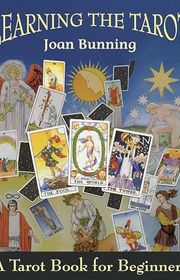
Learning the Tarot
For beginners who want a clear sequence of lessons alongside a card reference. Bunning's course format gives self-study a dependable structure, though the Waite-Smith illustrations and traditional vocabulary may need adjustment when working with other kinds of decks.
What it's about
Joan Bunning introduces tarot through nineteen lessons that progress from basic concepts to more developed reading techniques. A reference section uses Waite-Smith card images, descriptions, keywords and suggested connections, linking practice with systematic study of the deck.

For readers who want a personal, contemporary voice with humor and a queer perspective. Tea makes card interpretation feel connected to lived experience, though the memoir-like digressions and rituals offer a less conventional reference than a compact meaning guide.
What it's about
Michelle Tea offers a contemporary guide to tarot shaped by personal experience, humor, and a queer perspective. Interpretations of the seventy-eight cards accompany rituals and reflections, presenting the cards as tools for self-exploration and personal growth.

Tarot Plain and Simple
For beginners who want card meanings accompanied by sample readings and visible examples. Louis gives a straightforward foundation using the Robin Wood deck, though readers using a different deck need to compare the imagery rather than assume exact visual matches.
What it's about
Anthony Louis introduces the meanings of all 78 tarot cards, including upright and reversed interpretations. Illustrated with the Robin Wood Tarot, the guide combines historical background, spreads, and sample readings to show how surrounding cards affect interpretation.

For readers who already know the basics and want prompts for regular practice. The calendar-based spreads offer a wide range of themes, though the volume is an ideas collection rather than a sequential course in learning card meanings.
What it's about
Sasha Graham provides a tarot spread for each day of the year, drawing inspiration from historical events, holidays, and magical traditions. Explanations and sample questions cover themes such as relationships, work, family, personal growth, and spirituality.

For readers drawn to a structured esoteric approach involving astrology, numerology and cabalistic associations. Connolly connects lessons with a wider symbolic system, though those correspondences reflect a particular occult tradition rather than meanings shared by every tarot practice.
What it's about
Eileen Connolly introduces tarot through lessons, exercises, and an exploration of esoteric symbolism. Her handbook covers the Major and Minor Arcana, preparation for readings, and basic spreads, connecting the cards with astrology, numerology, and cabalistic traditions.

For readers who know introductory meanings and want to compare deeper symbolic frameworks. Louis brings together astrology, numerology and example readings, though the range of correspondences can feel dense if the basic cards are not yet familiar.
What it's about
Anthony Louis develops tarot interpretation through astrology, numerology, the four elements, and the cards' philosophical traditions. Detailed sample readings illustrate how reversals, intuition, and a reader's own experiences can shape the meaning of a spread.

For readers who struggle to connect individual cards into a coherent interpretation. Lipp emphasizes relationships, patterns and communication across a spread, though the exercises require active practice and the psychic framing will not match every reader's beliefs.
What it's about
Deborah Lipp teaches readers to interpret tarot cards as an interconnected narrative rather than isolated symbols. Lessons and exercises explore card pairs, patterns, layouts, storytelling, meditation, and communication with the person receiving a reading.
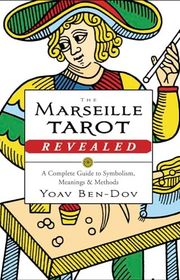
The Marseille Tarot Revealed
For readers using Marseille-style cards who want to interpret visual relationships across a spread. Ben-Dov's open-reading approach gives this deck a distinct place here, though its imagery and conventions differ from the Rider-Waite-Smith focus of many introductory books.
What it's about
Previously published as Tarot: The Open Reading, Yoav Ben-Dov's guide explores Marseille card imagery, history, spreads and interpretation. Full-color illustrations and explanations of visual motifs support an approach to reading cards together rather than relying solely on isolated meanings.
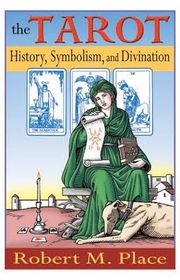
The Tarot: History, Symbolism, and Divination
For readers who want historical development and visual symbolism alongside interpretive practice. Place gives more attention to origins and artistic influences than a meaning dictionary, though the book combines historical argument with the author's own spiritual and divinatory perspective.
What it's about
Robert M. Place examines tarot's development in Europe and the symbolic traditions associated with its imagery. The book connects historical discussion with interpretation, exploring philosophical and esoteric influences before presenting the author's approach to reading a three-card spread.

The Ultimate Guide to Tarot Card Meanings
For readers who want upright and reversed meanings close at hand during study. Esselmont's categories and prompts make comparison convenient, though the detailed reference can encourage looking up fixed answers instead of developing context-sensitive interpretations.
What it's about
Brigit Esselmont provides upright and reversed interpretations for every tarot card, applying them to relationships, careers, finances, and well-being. Journaling prompts and keyword charts supplement the reference material and encourage readers to develop their own understanding.
Sources
- 1
25 Tarot Books You MUST Read If You Want To Grow Your Tarot Skills!
thetarotlady.com
- 2
The 15 Best Tarot Books: from Beginner to Advanced
brokebybooks.com
- 3
17 Must-Read Tarot Books from Beginners to Advanced
alittlesparkofjoy.com
- 4
Tarot Books
goodreads.com
- 5
Book recommendations
reddit.com
- 6
12 Best Tarot Books for Beginners & Beyond (2026 Edition)
thalira.com
- 7
The Ultimate Guide to the Best Tarot Books: Expert Recommendations for Every Level [Updated for 2023]
thesagedivine.com
- 8
Recommended Tarot Books
tarotassociation.net




Edited by
Software engineer whose passion for tracking book recommendations from podcasts inspired the creation of MRB.
Lead investor at 3one4 Capital whose startup expertise and love for books helped shape MRB and its growth.
Comments
Spotted a missing book, a wrong order or a mistake? Tell us and we'll fix this page.
We're a reading guide, not the author or publisher, so we can't send books or pass on messages.