
9 Best Montessori Books
The best Montessori books, ranked by how many expert sources recommend each one, with notes on who each suits, from new parents to educators and researchers.
Our take
Montessori books range from Maria Montessori’s own educational writing to modern guides for family routines and classroom practice. Some explain a philosophy of observation, independence, and the prepared environment. Others translate those ideas into choices about spaces, activities, communication, and daily life. A research-focused book asks different questions from a visual guide for parents, so choose according to what you want to understand.
The Montessori Baby, The Montessori Toddler, and The Montessori Child offer entry points for different stages. Montessori from the Start develops a more detailed birth-to-three home framework, while How To Raise An Amazing Child the Montessori Way favors practical illustrations and activities. For the original ideas, turn to The Absorbent Mind or The Secret of Childhood. Paula Polk Lillard’s Montessori: A Modern Approach provides an overview, and Angeline Stoll Lillard’s Montessori: The Science Behind the Genius examines evidence behind the principles. Start with a guide matched to your child’s stage, then read the foundational or research writing for greater depth.
9 books · 9 sources · Last updated
As an Amazon Associate, we earn from qualifying purchases (at no extra cost to you).
How to choose from this list
Skip to the full rankingIf you're preparing for a baby's first year: The Montessori Baby → Montessori from the Start
If you have a toddler: The Montessori Toddler
If you want guidance beyond toddlerhood: The Montessori Child
If you prefer illustrated home activities: How To Raise An Amazing Child the Montessori Way
If you want Maria Montessori’s own thinking: The Absorbent Mind → The Secret of Childhood
The 9 books, ranked
Ranked by how many expert sources name each book. Ties go to the book more people recommend.

For parents wanting a detailed home framework from birth through toddlerhood. Paula Polk Lillard and Lynn Lillard Jessen connect routines with a prepared environment, though some recommendations can feel prescriptive and require adaptation to family circumstances.
What it's about
Paula Polk Lillard and Lynn Lillard Jessen apply Montessori principles to home life from birth to age three. Practical guidance covers preparing the environment, movement, dressing, food, and everyday activities that encourage young children's independence and learning.

The Absorbent Mind
For readers who want to encounter Maria Montessori’s own explanation of early learning. Its theoretical perspective gives later parenting guides historical depth, though the older language and broad developmental claims need reading in their original context.
What it's about
Maria Montessori develops her theory of the absorbent mind, focusing on how children learn during their first six years. Drawing on her observations, she examines early development and the relationship between a child's activity, surroundings, and education.

The Montessori Toddler
A Parent's Guide to Raising a Curious and Responsible Human Being
For parents navigating toddler routines who want observation and independence translated into everyday choices. Davies offers more accessible home examples than the foundational texts, though adapting the approach requires judgment about the child and household.
What it's about
Simone Davies applies Montessori ideas to everyday life with a toddler. Practical suggestions for the home, activities, and parenting encourage adults to observe children's interests, respect their growing independence, and support curiosity while responding thoughtfully to challenging moments.
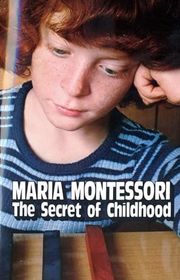
The Secret of Childhood
For readers who want another foundational account of how Montessori understood children’s inner lives. Its observational and philosophical emphasis complements practical activity guides, though the historical language and interpretations require context rather than automatic acceptance.
What it's about
Maria Montessori examines childhood through observations of children, their activities, and their relationships with adults. She develops ideas about concentration, independence, the prepared environment, and the obstacles adults can create when they misunderstand children’s needs and motivations.

For readers who want Montessori principles examined alongside developmental research. Angeline Stoll Lillard offers more discussion of evidence than an activity collection, though the research-heavy treatment takes time and should not be read as proving every classroom practice.
What it's about
Angeline Stoll Lillard examines Montessori education in light of developmental psychology research. She connects the approach's foundational principles with classroom practices, comparing them with conventional schooling and exploring what scientific findings suggest about how children learn.
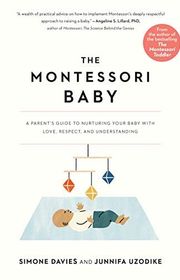
The Montessori Baby: A Parent's Guide to Nurturing Your Baby with Love, Respect, and Understanding
For parents who want a contemporary introduction focused on the first year. Davies and Uzodike make observation and the home environment approachable through illustrations and examples, though the infant focus leaves later childhood questions to other books.
What it's about
Simone Davies and Junnifa Uzodike apply Montessori ideas to life with a baby. Guidance on observation, the prepared home, daily care, movement, and communication encourages parents to understand their infant’s changing interests and support growing independence.

How To Raise An Amazing Child the Montessori Way
For parents who prefer a visual introduction with activities and ideas for the home. Seldin makes practical applications easier to browse than a theoretical text, though activity examples provide less depth on the underlying educational arguments.
What it's about
Tim Seldin brings Montessori principles into everyday parenting through activities and educational games for young children. Guidance on arranging the home and supporting active learning connects practical family routines with children's growing confidence, creativity, and independence.

For parents who want the philosophy and classroom approach explained together. Lillard provides a bridge between Montessori’s own texts and practical home guides, though the older overview is less immediately useful for planning everyday activities.
What it's about
Paula Polk Lillard introduces Montessori education through its philosophy, classroom methods, and understanding of children's development. Writing as an educator and parent, she explains the approach for readers seeking to understand how Montessori learning differs from conventional schooling.
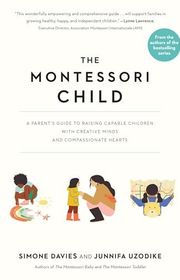
The Montessori Child: A Parent's Guide to Raising Capable Children with Creative Minds and Compassionate Hearts
For parents who want to continue Montessori-inspired practices beyond toddlerhood. Its attention to growing responsibility and relationships broadens the early-years guides, though suggestions need adapting to the child’s school, temperament, and family setting.
What it's about
Simone Davies and Junnifa Uzodike explore Montessori-inspired parenting as children grow beyond the toddler years. Practical examples address the home environment, independence, communication, creativity, and relationships, connecting everyday family life with children’s expanding abilities and responsibilities.
Sources
- 1
Top 8 Recommended Must-Read Books for Parents
alphamontessoridfw.com
- 2
Montessori and Child Development Books
mariamontessori.org
- 3
Montessori Resources
montessoriinternational.org
- 4
Montessori Book List
montessoriprintshop.com
- 5
Montessori: A Getting-Started Guide!
reddit.com
- 6
7 Best Montessori Books for Parents
montessorian.vip
- 7
The Best Montessori Books for Parents and Kids
theeverymom.com
- 8
Getting Started
reddit.com
- 9
Montessori Books
goodreads.com








Edited by
Software engineer whose passion for tracking book recommendations from podcasts inspired the creation of MRB.
Lead investor at 3one4 Capital whose startup expertise and love for books helped shape MRB and its growth.
Comments
Did we miss something? Have feedback?
Help us improve this page by sharing your thoughts