
9 Best Homeschooling Books
The best homeschooling books, ranked by how many expert sources recommend each one, with notes on reader fit, teaching approaches, and where to start.
Our take
Homeschooling books can help with very different decisions: choosing an educational approach, organizing subjects across several years, or finding a sustainable way to learn together day by day. A curriculum reference answers different questions from a book about curiosity or family relationships. The most useful choice depends on your children's ages, how much structure you want, and which part of the work currently feels unclear.
The Well-Trained Mind offers a detailed classical framework, while Home Learning Year by Year helps parents plan across subjects and grades. The Brave Learner focuses more on the learning atmosphere, and Minimalist Homeschooling examines priorities and overload. For families interested in child-led approaches, Teach Your Own and Project-Based Homeschooling explain different ways adults can support initiative. These books offer educational perspectives rather than a single approach every family must follow. Start with The Brave Learner for everyday ideas, or a curriculum reference if your immediate need is a teaching plan.
9 books · 8 sources · Last updated
As an Amazon Associate, we earn from qualifying purchases (at no extra cost to you).
How to choose from this list
Skip to the full rankingIf you want an inviting daily learning environment: The Brave Learner
If you want a structured classical education: The Well-Trained Mind
If you're planning subjects across grades: Home Learning Year by Year
If you're teaching children aged three to eight: Homeschooling
If you want child-led learning: Teach Your Own → Project-Based Homeschooling
If you're overwhelmed by commitments and materials: Minimalist Homeschooling
The 9 books, ranked
Ranked by how many expert sources name each book. Ties go to the book more people recommend.

For parents who want learning to feel more inviting without adopting one rigid method. Bogart offers concrete ways to connect study with family life, though curriculum sequencing requires a separate planning resource.
What it's about
Julie Bogart explores how parents can make learning more inviting through curiosity, surprise, and everyday family experiences. Practical activities encourage homeschooling families to connect children's interests with study and create an environment that supports experimentation and discovery.

For parents who want a detailed academic framework from early childhood through high school. Its subject-by-subject structure makes long-term planning easier, though the demanding classical program can overwhelm families seeking a lighter or child-led approach.
What it's about
Susan Wise Bauer and Jessie Wise explain classical home education from preschool through high school. Their approach follows the grammar, logic, and rhetoric stages, with guidance for teaching academic subjects as children's abilities develop.

Home Learning Year by Year
How to Design a Creative and Comprehensive Homeschool Curriculum
For parents building their own curriculum who want a grade-by-grade reference. Its broad subject coverage helps identify areas to plan for, though the many suggestions require selection and adaptation rather than automatic checklist completion.
What it's about
Rebecca Rupp presents a framework for designing a homeschool curriculum from preschool through high school. This revised edition combines grade-by-grade plans, reading suggestions, and creative alternatives, helping parents organize learning while considering a broad range of subjects.

For parents beginning home education with children aged three to eight. Its focus on early learning is more immediately relevant than whole-schooling manuals, though families with older children will quickly need another resource.
What it's about
Linda Dobson focuses on home education for children aged three to eight. The guide discusses early learning, preparing parents for homeschooling, and ways to encourage discovery, offering an introduction to building educational experiences around a young child's needs.

Minimalist Homeschooling
A Values-Based Approach to Maximize Learning and Minimize Stress
For parents overwhelmed by materials, activities, and competing expectations. Its values-first approach helps clarify what to simplify, though readers still need to decide how their priorities translate into sufficient teaching and subject coverage.
What it's about
Zara Fagen presents a values-based approach to simplifying home education. The book encourages families to identify what matters most, reduce unnecessary commitments and clutter, and build a more focused learning routine that fits their priorities and circumstances.
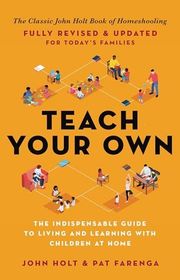
Teach Your Own: The Indispensable Guide to Living and Learning with Children at Home
For parents exploring self-directed learning and the practical questions surrounding it. The revised guide connects educational principles with family concerns, though its advocacy for child-led learning will not satisfy readers wanting a prescribed academic sequence.
What it's about
John Holt and Pat Farenga explore home education through children's interests, family life, and everyday learning. This revised edition combines the case for learning outside conventional school with discussion of practical concerns faced by homeschooling parents.
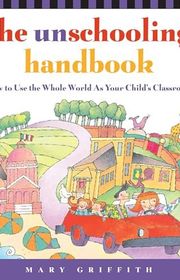
The Unschooling Handbook: How to Use the Whole World As Your Child's Classroom
For parents considering unschooling who want everyday examples rather than only an educational manifesto. Its flexible suggestions make the approach easier to picture, though families wanting grade-based lesson plans will need a different guide.
What it's about
Mary Griffith introduces unschooling as learning shaped by children's interests and everyday experiences. Examples from families explore reading, mathematics, science, and other subjects outside conventional classroom routines, showing how adults can provide resources and support curiosity.

How Children Learn
For parents who want to reconsider how adults support children's curiosity. Holt's close observations offer a useful philosophical foundation, though this is neither a ready-made homeschool curriculum nor a current research review.
What it's about
John Holt draws on observations of children to examine learning through play, language, reading, and other everyday activities. He argues for nurturing natural curiosity and confidence, exploring how adults can support children's developing abilities without overwhelming them.
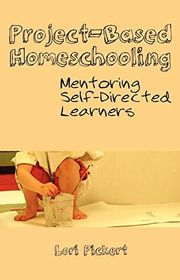
Project-Based Homeschooling: Mentoring Self-Directed Learners
For parents who like child-led learning but want a clearer role in supporting it. Its mentoring approach connects interests with sustained projects, though it leaves comprehensive subject planning and assessment largely to the family.
What it's about
Lori McWilliam Pickert describes how parents can support children's interests through sustained projects. Guidance on observation, workspaces, documentation, and mentoring helps adults encourage deeper investigation while allowing children to take responsibility for the direction of their learning.
Sources
- 1
My Top 5 Favorite Homeschooling Books
thehomeschoolmom.com
- 2
Best Homeschooling Books for Parents
fearlesshomeschool.com
- 3
The 15 best books about homeschooling: the ones parents actually reread
kuraplan.com
- 4
Best Homeschooling Books
goodreads.com
- 5
Books you recommend when dipping toe into homeschooling?
reddit.com
- 6
12 Must-Have Books for Homeschool Moms
myjoyfilledlife.com
- 7
Books About Homeschooling
newjerseyhomeschool.wordpress.com
- 8
Top 11 Homeschooling Books For Parents
thissimplebalance.com





Edited by
Software engineer whose passion for tracking book recommendations from podcasts inspired the creation of MRB.
Lead investor at 3one4 Capital whose startup expertise and love for books helped shape MRB and its growth.
Comments
Spotted a missing book, a wrong order or a mistake? Tell us and we'll fix this page.
We're a reading guide, not the author or publisher, so we can't send books or pass on messages.