
18 Best Dementia Books
The best dementia books, ranked by how many expert sources recommend each one, with notes for families choosing care guides, personal accounts, and fiction.
Our take
Dementia books can help families understand changing abilities, rethink daily communication, and find language for difficult feelings. Some explain care tasks and planning; others let a person living with dementia describe their experience, or follow a relationship as it changes. Reading across those perspectives can be useful, especially when a practical problem and an emotional one arrive together.
The 36-Hour Day is a broad family reference, while Learning to Speak Alzheimer's and Thoughtful Dementia Care focus more closely on understanding everyday interactions. Creating Moments of Joy Along the Alzheimer's Journey offers smaller ways to connect. Wendy Mitchell's Somebody I Used to Know and What I Wish People Knew About Dementia bring the person's own voice forward. For caregiver grief, consider Loving Someone Who Has Dementia; for a fictional perspective, try Still Alice. Different dementias and stages bring different needs, and older books reflect the knowledge of their time. Start with the book that addresses the question you face today.
18 books · 8 sources · Last updated
As an Amazon Associate, we earn from qualifying purchases (at no extra cost to you).
How to choose from this list
Skip to the full rankingIf you're new to family caregiving: The 36-Hour Day → Creating Moments of Joy Along the Alzheimer's Journey
If you want clearer everyday communication: Learning to Speak Alzheimer's → Thoughtful Dementia Care
If you want a firsthand perspective: Somebody I Used to Know → What I Wish People Knew About Dementia
If you're living with an early diagnosis: Living Your Best With Early-Stage Alzheimer's
If you're struggling with caregiver grief: Loving Someone Who Has Dementia → Slow Dancing with a Stranger
If you want the wider history of care: Dementia Reimagined
The 18 books, ranked
Ranked by how many expert sources name each book. Ties go to the book more people recommend.

The 36-Hour Day
A Family Guide to Caring for People Who Have Alzheimer Disease and Other Dementias
For families who need a broad reference they can return to as care needs change. Its coverage of practical and emotional concerns is more comprehensive than a memoir, though the length favors selective reading and an updated edition matters.
What it's about
Nancy Mace and Peter Rabins guide families through caring for someone with Alzheimer's or another dementia. They address daily routines, behavioral changes, medical concerns, care arrangements, and the emotional pressures that caregivers and relatives encounter.

Still Alice
For readers who find a novel an easier way to consider dementia's effect on identity and family life. Its close perspective encourages empathy beyond practical instructions, though the story is fictional and depicts a particular experience rather than every diagnosis.
What it's about
Harvard cognitive psychology professor Alice Howland is at the peak of her career when lapses in memory begin to unravel her control. Diagnosed with early onset Alzheimer’s, she and her family must face a future where identity and relationships are tested.
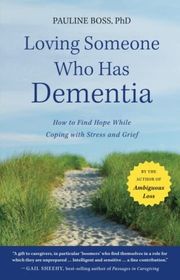
Loving Someone Who Has Dementia
For caregivers struggling with grief while the person they love is still present. Its focus on ambiguous loss gives emotional experience more attention than practical manuals, though it offers reflection and coping perspectives rather than hands-on care instructions.
What it's about
Pauline Boss examines the ambiguous loss experienced when dementia changes a loved one while the relationship continues. The book explores grief, stress, connection, and uncertainty, offering caregivers ways to think about living with an unresolved situation.

Creating Moments of Joy Along the Alzheimer's Journey
A Guide for Families and Caregivers
For caregivers who feel defeated by trying to make an entire day go well. Its small-scale suggestions shift attention toward connection and pleasure, though the encouraging tone cannot resolve the practical burdens that require wider support.
What it's about
Jolene Brackey encourages caregivers to concentrate on enjoyable moments rather than perfect days. Stories and practical suggestions address communication, challenging behavior, family visits, and everyday routines while emphasizing the feelings that can linger after memories fade.

Learning to Speak Alzheimer's
A Groundbreaking Approach for Everyone Dealing with the Disease
For caregivers who want to change frustrating interactions rather than repeatedly correct a person's memory. Its attention to surroundings and remaining abilities makes communication concrete, though its particular approach is narrower than a comprehensive medical and care reference.
What it's about
Joanne Koenig Coste presents habilitation, an approach to dementia care centered on remaining abilities and the person's experience. She explains adapting surroundings, communication, and daily activities to preserve dignity and reduce frustration for families and caregivers.
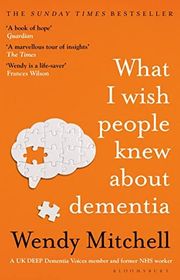
What I Wish People Knew About Dementia
For readers who want the person living with dementia to lead the conversation. Its thematic reflections challenge assumptions about daily life more directly than caregiver manuals, though the experiences remain individual and aren't a map of everyone's progression.
What it's about
Wendy Mitchell, writing with Anna Wharton, reflects on everyday life after her dementia diagnosis. The book considers communication, relationships, surroundings, and independence, asking readers to understand the person living with the condition rather than only its losses.

For readers who want a couple's account alongside practical reflections on daily life. Its alternating concerns make the relationship visible within caregiving, though the personal experience and older medical discussion cannot represent every family's situation.
What it's about
B. Smith and her husband, Dan Gasby, share their experience of Alzheimer's disease with writer Michael Shnayerson. Short chapters combine their relationship and family story with lessons about daily challenges, coping, caregiving, and the tensions that illness brings into their lives.
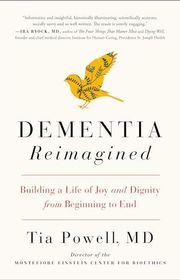
Dementia Reimagined
For readers who want to connect family experience with the history and priorities of dementia care. Its medical and ethical perspective broadens the practical handbooks, though it is more an argument about dignity and systems than a daily care manual.
What it's about
Psychiatrist and bioethicist Tia Powell combines family experience with the medical and social history of dementia. She examines how research, institutions, and public expectations shape care, arguing for greater attention to dignity and quality of life.
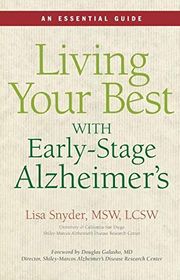
Living Your Best With Early-Stage Alzheimer's
For people in the early stages who want a guide addressed directly to them. Its focus on everyday adaptation and participation balances the caregiver-centered books, though its older medical information and early-stage scope limit its use later on.
What it's about
Lisa Snyder addresses people living with early-stage Alzheimer's disease, exploring ways to approach memory changes, relationships, daily activities, and future planning. The guide combines practical ideas with attention to feelings, identity, and continued involvement in decisions.

Activities to do with Your Parent who has Alzheimer's Dementia
For relatives who struggle to find enjoyable ways to spend time together. Its activity ideas and assessment forms offer more immediate options than a broad handbook, though each task needs adapting to the person's abilities, preferences, and fatigue.
What it's about
Judith Levy offers more than fifty activities for families spending time with a parent who has Alzheimer's dementia. Assessment forms and implementation suggestions accompany ideas for supporting everyday participation, alongside home safety material, caregiver resources, and discussion of burnout.
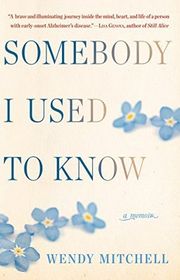
Somebody I Used to Know
For readers who prefer a continuous memoir to a caregiving checklist. Its account of adapting to a diagnosis gives identity and independence sustained attention, though one person's circumstances and strategies won't translate directly to every form of dementia.
What it's about
Wendy Mitchell recounts being diagnosed with young-onset dementia and finding ways to adapt her work, routines, relationships, and sense of self. Written with Anna Wharton, the memoir follows her efforts to remain engaged with life amid changing abilities.

The Alzheimer's Action Plan
For families who want to organize questions about assessment, care, and early changes. Its broad structure helps connect concerns that shorter guides separate, though its older treatment discussion needs supplementing with current professional advice.
What it's about
P. Murali Doraiswamy, Lisa Gwyther, and Tina Adler explain evaluating memory problems and navigating an Alzheimer's diagnosis. Their guide discusses treatment options, behavioral and emotional changes, clinical trials, and practical support during early and middle stages.

For relatives caring at home who want to understand emotional needs alongside changing abilities. Its focused framework is easier to absorb than a large reference, though it presents one care approach rather than a comprehensive account of every dementia.
What it's about
Judy Cornish introduces her DAWN approach to caring for people with dementia at home. She emphasizes retained abilities and emotional security, encouraging families to understand the person's changing experience rather than continually demanding memory or reasoning.

For caregivers who want companionship through short personal accounts rather than another set of instructions. Its variety of experiences makes it easy to read in small portions, though the anecdotal format doesn't provide a systematic guide to care.
What it's about
This collection gathers 101 personal stories from dementia caregivers and people experiencing early Alzheimer's. Accounts of changing family roles, difficult decisions, humor, and new ways to connect offer companionship through the emotional realities of caregiving.

Let's Talk Dementia
For family members who want an informal introduction with short explanations and encouragement. Its conversational approach may feel less daunting than a large handbook, though the personal observations provide less depth than a comprehensive clinical reference.
What it's about
Drawing on caring for her mother, Carol Howell explains different forms of dementia and offers suggestions for everyday caregiving situations. Her guide combines accessible explanations with humor and encouragement for relatives facing confusing changes in behavior.

For spouses who want an honest account of the sustained demands of caregiving. Its long view gives emotional sacrifice more space than a practical manual, though the difficult experiences may feel overwhelming during a newly diagnosed family's first reading.
What it's about
Meryl Comer recounts leaving her career to care for her husband after his Alzheimer's diagnosis. This memoir follows the intimate demands of long-term caregiving, exploring altered relationships, personal sacrifice, and the search for connection amid deterioration.

For caregivers who want everyday behavior to make more sense from the person's perspective. Its examples connect cognitive changes with practical responses, though the compact explanation offers less coverage of medical questions, services, or long-term planning.
What it's about
Jennifer Ghent-Fuller explains how losses in memory and thinking change a person's understanding of everyday situations. Examples from real experiences support practical caregiving suggestions, alongside discussion of emotional responses and grief within families living with dementia.

For readers who want to understand residential care through daily work and relationships. Its close observation brings staff and residents into view beyond a family memoir, though the account of one facility is not a guide to choosing care.
What it's about
After her mother's death from Alzheimer's, Lauren Kessler takes a caregiving job in a residential facility. Her account examines the exhausting work and relationships between residents and staff, finding humor and human connection within daily care.
Sources
- 1
Book Recommendations
medresearch.umich.edu
- 2
Books Suggestions for Caregivers
cbmm.bwh.harvard.edu
- 3
The 12 Best Alzheimer’s and Dementia Books for Caregivers
dailycaring.com
- 4
The 11 Best Books About Alzheimer's and Dementia
brightwater-living.com
- 5
Dementia
goodreads.com
- 6
Book recommendations for family members and individual recently diagnosed with dementia?
reddit.com
- 7
Books for families new to dementia?
reddit.com
- 8
Dementia: Subject Guide
rcn.org.uk



Edited by
Software engineer whose passion for tracking book recommendations from podcasts inspired the creation of MRB.
Lead investor at 3one4 Capital whose startup expertise and love for books helped shape MRB and its growth.
Comments
Did we miss something? Have feedback?
Help us improve this page by sharing your thoughts