
8 Best Databases Books
The best database books, ranked by how many expert sources recommend each one, with notes on who each book suits and where to start for different technical goals.
Our take
Database books answer different questions: how to model information, how to write reliable SQL, how to choose an architecture, and how a storage engine works underneath it all. Learning one area does not automatically cover the others. Most books here assume an interest in application development, but the starting level ranges from first relational designs to the mechanics of distributed systems.
Database Design for Mere Mortals and Beginning Database Design Solutions offer routes into organizing data around requirements. SQL Antipatterns is more useful once you have written queries and encountered design problems yourself. Oracle PL/SQL Programming serves a specific platform and should be matched to the version you maintain. For broader architectural decisions, turn to Designing Data-Intensive Applications; for storage structures and distributed mechanisms, choose Database Internals. Start with relational design if the subject is new, then move toward architecture after working with a real database.
8 books · 7 sources · Last updated
As an Amazon Associate, we earn from qualifying purchases (at no extra cost to you).
How to choose from this list
Skip to the full rankingIf you're new to relational design: Database Design for Mere Mortals → Beginning Database Design Solutions
If you want a structured modeling process: Six-Step Relational Database Design
If you already write SQL: SQL Antipatterns
If you maintain Oracle code: Oracle PL/SQL Programming
If you want architecture and implementation: Designing Data-Intensive Applications → Database Internals
The 8 books, ranked
Ranked by how many expert sources name each book. Ties go to the book more people recommend.
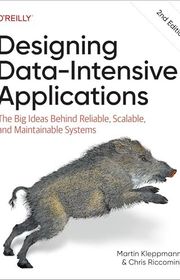
Designing Data-Intensive Applications: The Big Ideas Behind Reliable, Scalable, and Maintainable Systems
For developers ready to compare data-system architectures rather than learn a single product. The second edition connects design choices across reliability and scale, though its conceptual depth assumes practical experience and offers few quick implementation recipes.
What it's about
Martin Kleppmann and Chris Riccomini explain the principles behind reliable data systems. The book compares data models, storage, replication, partitioning, transactions, and processing approaches, connecting technical choices with the requirements and tradeoffs involved in building applications.
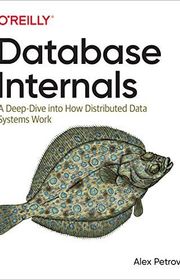
Database Internals: A Deep Dive into How Distributed Data Systems Work
For developers who want to understand the machinery beneath database APIs. Petrov gives storage engines and distributed coordination closer attention than the schema-design books, though the algorithms and technical detail make it a demanding follow-up.
What it's about
Alex Petrov explains the internal structures and algorithms used by database systems, from storage engines and indexing to distributed coordination. The book connects implementation choices with the behavior, reliability, and tradeoffs developers encounter in practice.

For developers who already write SQL and want to recognize recurring mistakes. Karwin makes design tradeoffs memorable through specific failures and alternatives, though the problem-by-problem format works better after learning the basics.
What it's about
Bill Karwin examines common mistakes in SQL programming and relational database design. Each antipattern leads into an explanation of its costs and alternative approaches, helping developers understand the principles behind more reliable and maintainable solutions.

Beginning Database Design Solutions
For developers who need to translate application requirements into a workable database design. Stephens makes the planning questions concrete, though the broad introductory treatment offers less theoretical depth than a dedicated relational design reference.
What it's about
Rod Stephens introduces the goals and methods of database design, beginning with application requirements. Examples explain how to decide what information belongs in a database and organize it to support performance, reliability, and fewer errors.

Database Design for Mere Mortals
For beginners who want to design relational tables before worrying about a particular database product. The deliberate process makes relationships and business rules easier to reason about, though experienced readers may find the pacing slow.
What it's about
Michael Hernandez presents a software-independent process for designing relational databases. The tutorial moves from planning through tables, fields, keys, relationships, business rules, and views, emphasizing data integrity and ways to recognize common design mistakes.

Database Development For Dummies
For readers who want a broad view of planning and building a database application. Taylor links design with practical development concerns, though the older tools and implementation examples make it more useful for concepts than current setup instructions.
What it's about
Allen Taylor guides readers through planning, designing, and implementing a database system and its applications. Illustrated lessons cover data models, relational design, development tools, user interfaces, internet access, and security, connecting technical decisions with an organization’s information needs.

For developers maintaining Oracle applications that use PL/SQL. The substantial reference gives language details far more room than the general books, though this 12c-era edition needs supplementing for features introduced in newer Oracle releases.
What it's about
Steven Feuerstein and Bill Pribyl explain Oracle's PL/SQL language from basic syntax to advanced application development, covering versions through Database 12c. The reference addresses program structure, data handling, testing, debugging, performance, and code management.

Six-Step Relational Database Design
A step by step approach to relational database design and development
For readers who learn best through a defined sequence and worked cases. Captain gives requirements-to-schema work a clear structure, though the narrow relational modeling focus provides less coverage of operations or distributed database architecture.
What it's about
Fidel Captain presents a structured process for turning client requirements into a relational database model. Case studies guide readers through discovering entities, defining relationships, and designing schemas, connecting database theory with practical development decisions.
Sources
- 1
Best Database Books
databasestar.com
- 2
Databases Books
goodreads.com
- 3
100 Best Databases Books of All Time
shortform.com
- 4
Getting started with database development
reddit.com
- 5
Data engineering introduction book recommendations?
reddit.com
- 6
Database Internals Study Path: B-trees, LSM, MVCC, WAL, Replication
semicolony.dev
- 7
Best Books on Database Design
coderslegacy.com






Edited by
Software engineer whose passion for tracking book recommendations from podcasts inspired the creation of MRB.
Lead investor at 3one4 Capital whose startup expertise and love for books helped shape MRB and its growth.
Comments
Spotted a missing book, a wrong order or a mistake? Tell us and we'll fix this page.
We're a reading guide, not the author or publisher, so we can't send books or pass on messages.