
11 Best Credit Repair Books
The best credit-repair books, ranked by how many expert sources recommend each one, with notes for choosing credit education, practical guides, and dispute templates.
Our take
Credit-repair books can explain reports and scores, describe ways to examine reporting problems, or provide correspondence templates. Most titles here focus on the US credit system. They differ in how much space they give to understanding that system, managing debt, and following a particular dispute process. A book that explains the background serves a different purpose from one built mainly around letters.
Credit Repair Kit For Dummies offers a broad introduction, while Your Score concentrates on understanding and protecting a credit profile. The Credit Score Blueprint uses a shorter workbook format. For readers comparing dispute-oriented approaches, Hidden Credit Repair Secrets and Repair Your Credit Like the Pros provide more focused treatments. Several titles make ambitious claims about speed, loopholes, or score increases; those claims are reasons to examine the details carefully rather than expectations to adopt. Start with Credit Repair Kit For Dummies for a general reference or Your Score for more emphasis on credit education.
11 books · 9 sources · Last updated
As an Amazon Associate, we earn from qualifying purchases (at no extra cost to you).
How to choose from this list
Skip to the full rankingIf you're new to credit reports: Credit Repair Kit For Dummies → Your Score
If you prefer a concise workbook: The Credit Score Blueprint
If you want to compare dispute approaches: Repair Your Credit Like the Pros → Hidden Credit Repair Secrets
If you prefer a numbered introduction: Raise Your Credit Score In 10 Easy Steps!
The 11 books, ranked
Ranked by how many expert sources name each book. Ties go to the book more people recommend.

Credit Repair Kit For Dummies
For beginners who want a broad reference rather than a collection of letters. Its explanations, examples, and templates connect credit records with debt management, though the US focus and changing procedures make the edition important.
What it's about
This guide explains credit reports and scores, debt management, and ways to rebuild credit. Sample reports, forms, and templates accompany coverage of student loans, unemployment, and identity theft, helping readers understand common challenges in managing their financial records.
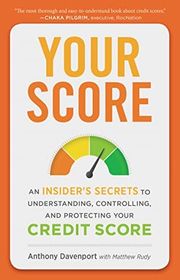
Your Score: An Insider's Secrets to Understanding, Controlling, and Protecting Your Credit Score
For readers who want to understand credit scoring before comparing repair tactics. Davenport gives the broader credit profile more attention than the letter-centered guides, though the US focus and examples require checking against current products and reporting practices.
What it's about
Anthony Davenport explains how credit reporting and scoring affect borrowing and everyday financial decisions. His guide discusses understanding reports, protecting credit information, and responding to problems, placing repair within a broader account of building and maintaining a credit profile.

Amazing Credit Repair
Boost Your Credit Score, Use Loopholes (Section 609), and Overcome Credit Card Debt Forever
For newcomers who want background on credit alongside a repair-oriented approach. Gray connects basic concepts with proposed actions, though the loophole framing and sweeping title promises call for more critical reading than a straightforward educational guide.
What it's about
Abel Gray introduces the workings of the credit system and presents methods for repairing and maintaining a credit score. The guide focuses on understanding credit before taking action and developing practices intended to support stronger credit over time.

For readers who want a dispute-letter approach presented through an industry perspective. The correspondence materials give the book a concrete focus, though the author's experience and promotional claims should not be confused with an independent assessment of the methods.
What it's about
John Harris presents his approach to credit repair, drawing on experience he identifies as a former credit bureau manager. The guide offers explanations and dispute letter materials intended to help readers challenge entries affecting their credit records.

For readers who want sample correspondence organized into a sequence. Clayborne gives the dispute process a clear structure and also discusses rebuilding, though a fixed letter plan offers less flexibility than a guide centered on evaluating individual reporting problems.
What it's about
Mark Clayborne presents a six-letter dispute plan for challenging inaccurate or unverifiable credit-report entries. Sample correspondence accompanies discussions of rebuilding credit, dealing with collectors, negotiating debts, and responding when credit bureaus decline to remove disputed information.

Repair Your Credit Like the Pros
How Credit Attorneys and Certified Consultants Legally Delete Bad Credit and Restore Your Good Name
For readers who want a practical account of investigating reporting problems. Warren connects dispute work with the broader task of rebuilding a credit profile, though the professional-methods framing still requires readers to evaluate their own circumstances rather than expect automatic deletions.
What it's about
Carolyn Warren presents a do-it-yourself approach to credit repair based on methods used by credit attorneys and consultants. The guide focuses on challenging problematic reporting and rebuilding a credit profile, explaining her proposed process for addressing errors and past financial difficulties.

609 Letter Templates & Credit Repair Secrets
For readers specifically comparing dispute-letter formats. Its twelve templates make the correspondence focus clear, though that scope is narrower than a general credit guide and the advertised score increase should not be treated as a promised result.
What it's about
Neil Hack presents a do-it-yourself approach to credit-report disputes centered on Section 609 letters. The guide discusses opening disputes, preparing correspondence, and following up, with twelve letter templates intended to help readers navigate the process independently.

How To Cheat At Credit Repair & Get Away With It
For readers who want a mix of credit-report repair and credit-card tactics. Harder's broader range goes beyond dispute letters, though the provocative framing and added interest in rewards strategies can distract from a straightforward credit-rebuilding plan.
What it's about
Dustin Harder outlines his approach to repairing credit reports and managing debt without hiring a credit-repair service. Topics include understanding credit, choosing cards, handling collections, avoiding interest, and using credit-card rewards and churning strategies.

Raise Your Credit Score In 10 Easy Steps!
For beginners who prefer a numbered sequence to a large reference manual. Its coverage connects scoring concepts with establishing or rebuilding credit, though the simple ten-step presentation cannot account for every person's records or financial circumstances.
What it's about
Angel Love explains credit scores and presents ten steps for managing and improving a credit profile. The guide discusses differences between scoring models, establishing credit, and rebuilding after bankruptcy, connecting credit reports with everyday personal finance decisions.

For beginners who want an organized introduction to scoring factors. Leighton uses a workbook approach to connect explanations with personal review, though the compact scope offers less detail on complex disputes or the differences between lenders' scoring systems.
What it's about
Jeff Leighton introduces the factors behind FICO scores and presents practical approaches to building and improving credit. The workbook discusses establishing a credit history, reviewing reports, and identifying common misconceptions, organizing the author's recommendations into an accessible plan.

Fix Your Credit
Discover How to Build and Fix Your Credit From Someone in the Credit Repair Industry
For readers who want a very short introduction rather than a substantial reference. Its compact length makes it quick to survey, though it leaves limited space for worked examples, detailed documentation, or complicated credit-report problems.
Sources
- 1
Top 8 Best Credit Repair Books of All Time +Free Resources | Credit Secrets - Raise Your Scores Fast
creditsecrets.com
- 2
Best Books On Credit Repair - 8 Top Picks For Handling Your Finances
wisdomfuel.com
- 3
Best Credit Repair Books | Fiscal Tiger
fiscaltiger.com
- 4
Credit - Personal Finance: A Resource Guide - Research Guides at Library of Congress
guides.loc.gov
- 5
Best Credit Repair Books in 2026: What to Read Before You Dispute | Legendary Ways Credit
legendarywayscreditsolution.com
- 6
Books To Help Repair Credit (6 books)
goodreads.com
- 7
The Best Personal Finance Books for Credit Repair | ClearValue Books
clearvaluebooks.com
- 8
10 Best Credit Repair Books for 2024 - BadCredit.org
badcredit.org
- 9
Top 10 Credit Repair Books To Read In 2021
creditrepairexpert.org




Edited by
Software engineer whose passion for tracking book recommendations from podcasts inspired the creation of MRB.
Lead investor at 3one4 Capital whose startup expertise and love for books helped shape MRB and its growth.
Comments
Did we miss something? Have feedback?
Help us improve this page by sharing your thoughts