
17 Best Codependency Books
The best codependency books, ranked by how many expert sources recommend each one, with notes on who each suits, from newcomers to those seeking exercises.
Our take
Books about codependency explore patterns such as losing sight of your own needs, feeling responsible for others’ emotions, or trying to manage relationships through control and self-sacrifice. They approach those experiences differently: some explain a recovery framework, some offer boundary-setting practice, and others rely on memoir, daily reflection, or peer support. The most useful choice depends on both your immediate concern and the language you find helpful.
Codependent No More offers a broad starting point, while Facing Codependence emphasizes childhood experiences and a structured model. Set Boundaries, Find Peace concentrates on communicating limits. Boundaries and Love Is a Choice use Christian frameworks; Co-Dependents Anonymous and Codependents’ Guide to the Twelve Steps introduce a particular recovery tradition. For active practice, try The Codependency Workbook. Beyond Codependency addresses continuing recovery, while The Language of Letting Go suits a daily reading habit. Start with one introduction or a focused practical book, then decide whether you want exercises, shared experience, or a longer-term framework.
17 books · 8 sources · Last updated
As an Amazon Associate, we earn from qualifying purchases (at no extra cost to you).
How to choose from this list
Skip to the full rankingIf you're new to the topic: Codependent No More → Beyond Codependency
If you want to examine childhood influences: Facing Codependence
If you want to practice setting limits: Set Boundaries, Find Peace → The Codependency Workbook
If you prefer a Christian framework: Boundaries → Love Is a Choice
If you want a Twelve Step approach: Co-Dependents Anonymous → Codependents' Guide to the Twelve Steps
If you want brief daily reflections: The Language of Letting Go
The 17 books, ranked
Ranked by how many expert sources name each book. Ties go to the book more people recommend.

For readers who recognize a habit of putting others’ needs ahead of their own and want a broad introduction. Beattie’s personal examples make reflection approachable, but the recovery language and spiritual framing will not fit everyone.
What it's about
Melody Beattie explores patterns of codependency through personal stories, exercises and self-assessment. The book encourages readers to recognize efforts to control others, establish boundaries and give greater attention to their own needs and responsibilities.
Also recommended by
1 person Whitney Cummings recommended this book
Whitney Cummings
"If you want to know more about codependence I would say read [this book]." - Whitney Cummings
Whitney Cummings's recommendation of this book

For readers who want a structured explanation connecting adult relationship patterns with childhood experiences. Mellody’s model gives self-reflection a clear framework, but its broad developmental claims should be considered as one approach rather than a universal account.
What it's about
Pia Mellody examines patterns of codependent thinking, feeling, and behavior and traces their origins to childhood experiences. With Andrea Wells Miller and J. Keith Miller, she outlines a recovery approach focused on self-worth and healthier relationships.

For readers who want help defining responsibility and saying no within a Christian framework. Its relationship examples make limits concrete, but the frequent biblical references are central to the approach and may not suit secular readers.
What it's about
Henry Cloud and John Townsend explain personal limits through a Christian framework. They explore how to define responsibility, communicate needs, and say no in relationships with family, friends, coworkers, and oneself without abandoning care for others.
Also recommended by
2 people Dave Ramsey recommended this book
Dave Ramsey
Recommended on Dave Ramsey's website.
Dave Ramsey's recommendation of this book  Greg McKeown recommended this book
Greg McKeown
"I really like [this book]." - Greg McKeown
Greg McKeown's recommendation of this book

Co-Dependents Anonymous
For readers considering a peer-support fellowship and wanting to understand its recovery language and shared experiences. The personal stories complement group participation, but the Twelve Step framework and spiritual orientation will not suit every reader.
What it's about
This foundational Co-Dependents Anonymous book introduces the fellowship’s approach to recovery and addresses common questions about codependency. Personal stories describe members’ experiences with relationship patterns and their efforts to develop healthier connections through the program.

Codependency For Dummies
For readers who want a broad, organized reference they can consult by topic. Lancer connects boundaries, self-esteem, and responsibility with exercises, but the amount of material can feel overwhelming if you need one narrow starting point.
What it's about
Darlene Lancer explains codependent relationship patterns, their possible origins, and their effects on self-esteem. Exercises and recovery guidance address boundaries, guilt, blame, personal responsibility, and detachment, including discussion of twelve-step approaches.

For readers who see shame and harsh self-judgment as central to their relationship difficulties. Lancer gives those experiences a sustained focus with exercises, but the emotional work may feel demanding and benefits from careful pacing.
What it's about
Darlene Lancer examines how shame can shape identity, undermine confidence, and contribute to codependent relationships. Her eight-step approach offers exercises and reflections intended to support self-acceptance, recognition of personal needs, and healthier ways of relating to others.

For readers who repeatedly invest in painful relationships and want stories that help them recognize a pattern. Norwood gives emotional attachment sustained attention, but the older, gender-specific framing can feel restrictive or overly general.
What it's about
Robin Norwood explores why some women repeatedly enter painful relationships with troubled or unavailable partners. Personal stories illustrate the patterns she identifies, while a ten-point recovery approach encourages attention to one’s own needs and a healthier understanding of love.
Also recommended by
1 person Noah Kagan recommended this book
Noah Kagan
"Love yourself first and you can be loved." - Noah Kagan
Noah Kagan's recommendation of this book
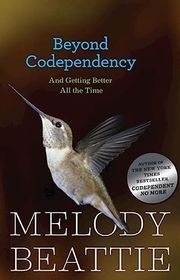
Beyond Codependency: And Getting Better All the Time
For readers who know Codependent No More and want to think about sustaining change. Beattie addresses the less dramatic work of continuing recovery, but the personal and spiritual approach offers fewer structured skills than a dedicated workbook.
What it's about
Melody Beattie considers what follows the initial recognition of codependent patterns. Through personal reflections and practical discussion, she explores relationships, self-care, setbacks, and the task of building a fuller life while continuing the work of recovery.

Courage to Cure Codependency
For readers looking for a direct self-help approach to detachment, approval-seeking, and boundaries. Its practical emphasis offers a clear starting focus, but the title’s promise of a cure overstates what any single book can guarantee.
What it's about
Leah Clarke explores patterns of people-pleasing, controlling behavior, and dependence on others’ approval. She offers strategies for setting boundaries, saying no, addressing guilt, and rebuilding self-confidence, with guidance on detachment and recovering from difficult relationships.

For readers who want practical language for expressing limits in family, friendship, and work. Tawwab’s everyday examples make communication concrete, but the broad boundaries focus gives less space to the history or competing theories of codependency.
What it's about
Nedra Glover Tawwab explains how to recognize personal limits and communicate needs clearly in relationships. Practical examples address saying no, handling boundary violations, and navigating family, friendships, and work while reducing the strain of overcommitment.
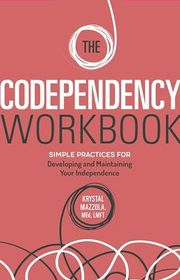
The Codependency Workbook: Simple Practices for Developing and Maintaining Your Independence
For readers who want to put ideas into practice through guided exercises. Its structured activities make reflection more concrete than a narrative introduction, but a workbook requires active participation and cannot address every relationship or mental health concern.
What it's about
Therapist Krystal Mazzola presents exercises for recognizing codependent patterns, understanding emotions, and strengthening personal independence. The workbook draws on cognitive behavioral techniques to help readers examine beliefs, practice boundaries, and develop more balanced ways of relating to others.

For readers interested in Rosenberg’s account of recurring attraction to controlling or self-focused partners. Its recognizable relationship scenarios can prompt reflection, but the strong labels and paired-role model may oversimplify complicated people and situations.
What it's about
Ross Rosenberg examines why people with codependent patterns may repeatedly enter relationships with narcissistic partners. Case examples and personal experiences illustrate his account of romantic attraction, gaslighting, painful relationship cycles, and approaches to recovery.

For readers who prefer a brief daily reflection to a long explanatory chapter. Beattie’s entries can support an ongoing routine, but their spiritual recovery language and meditative format offer less structured practice than a workbook.
What it's about
Melody Beattie presents a year of daily meditations on codependency and recovery. Drawing on personal experience, the entries encourage reflection on boundaries, self-care and letting go of efforts to control other people or uncertain outcomes.

Codependents' Guide to the Twelve Steps
For readers who already connect with Twelve Step recovery and want to apply it to relationship patterns. Exercises support individual or group reflection, but the program’s spiritual assumptions make this a specialized route rather than a general introduction.
What it's about
Melody Beattie adapts the Twelve Steps to issues associated with codependency. Combining personal experience with exercises and guidance for individual or group work, she explores recovery, relationships and the process of changing longstanding emotional patterns.

For readers who find inner-child language useful for exploring conflicting feelings and needs. Paul’s inward-looking approach differs from boundary scripts and relationship advice, but its particular model may feel abstract or unfamiliar to some readers.
What it's about
Margaret Paul presents inner bonding as a way to connect adult thinking with the feelings and needs associated with the inner child. She explores internal conflict and offers guidance for developing greater self-understanding and a more loving relationship with oneself.

For readers who want relationship recovery discussed through counseling examples and Christian beliefs. Its attention to childhood and community support broadens the focus beyond individual habits, but the religious framework is integral rather than incidental.
What it's about
Robert Hemfelt, Frank Minirth, and Paul Meier examine codependency through clinical experiences and a Christian perspective. Their recovery approach considers childhood influences, unhealthy relationship patterns, boundaries, and supportive community, drawing on biblical ideas alongside counseling insights.

The Road Back to Me
Healing and Recovering From Co-dependency, Addiction, Enabling, and Low Self Esteem
For readers who prefer a personal recovery story to an instructional manual. Romano connects childhood experiences with adult relationship difficulties, but the memoir offers one interpretation of one life rather than a broadly applicable clinical framework.
What it's about
Lisa A. Romano recounts a troubled childhood and its influence on her adult relationships, self-esteem, and addictive patterns. Her memoir follows a later turning point toward understanding those experiences and pursuing recovery from the beliefs and fears rooted in her past.
Sources
- 1
8 Best Books on Codependency Recovery
upjourney.com
- 2
10 Best Books on Healing Codependency
nerdycreator.com
- 3
Best Codependency Books: 11 Essential Reads For Healthy Bonds
thebridalbox.com
- 4
Best Books on Codependency
choosingtherapy.com
- 5
Best Books on Codependency: 8 Picks Ranked
yalom.com
- 6
Codependency Books
goodreads.com
- 7
100 Best Codependency Books of All Time
shortform.com
- 8
Book List | Relationship Topics
gwscsw.org




Edited by
Software engineer whose passion for tracking book recommendations from podcasts inspired the creation of MRB.
Lead investor at 3one4 Capital whose startup expertise and love for books helped shape MRB and its growth.
Comments
Spotted a missing book, a wrong order or a mistake? Tell us and we'll fix this page.
We're a reading guide, not the author or publisher, so we can't send books or pass on messages.