
18 Best Christian Parenting Books
The best Christian parenting books, ranked by how many expert sources recommend each one, with notes to help families choose a useful place to start.
Our take
Christian parenting books connect faith with the daily work of raising children. Some focus on parents' own spiritual lives, while others discuss affection, boundaries, discipline, or the changing needs of boys, girls, and teenagers. They also differ in theology and assumptions about authority. A book can offer a helpful question without providing an approach your whole family wants to follow.
For a broad gospel-centered perspective, begin with Parenting by Paul David Tripp or Grace-Based Parenting. Boundaries with Kids and Parenting with Love and Logic give more attention to responsibility and consequences. The 5 Love Languages of Children concentrates on expressing affection, while Sacred Parenting asks how raising children changes the parent. Mothers looking for devotional encouragement may prefer Treasuring Christ When Your Hands Are Full, and Age of Opportunity focuses on adolescence. Start with the question you face now, and consider whether a book's beliefs and discipline methods fit your family.
18 books · 10 sources · Last updated
As an Amazon Associate, we earn from qualifying purchases (at no extra cost to you).
How to choose from this list
Skip to the full rankingIf you want a gospel-centered foundation: Parenting → Grace-Based Parenting
If you need clearer limits: Boundaries with Kids → Grace Based Discipline
If you want to express affection more clearly: The 5 Love Languages of Children
If you're parenting teenagers: Age of Opportunity
If you want to reflect on your own faith: Sacred Parenting → Treasuring Christ When Your Hands Are Full
If family time feels distracted: Hands Free Mama
The 18 books, ranked
Ranked by how many expert sources name each book. Ties go to the book more people recommend.

Shepherding a Child's Heart
For readers interested in a Reformed Christian account of children's motives and parental authority. Its heart-focused framework is more theological than a behavior checklist, though its endorsement of spanking will be a significant objection for many families.
What it's about
Tedd Tripp presents a biblical approach to parenting that looks beneath children’s actions to the motives of the heart. He discusses communication, understanding, and correction as ways to guide children of different ages toward Christian values.
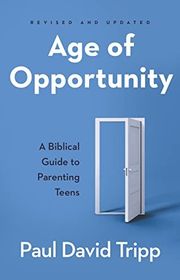
Age of Opportunity: A Biblical Guide to Parenting Teens
For parents approaching adolescence who want to rethink conflict as a chance for conversation. Its sustained focus on teenagers fills a gap in general parenting guides, though the theological discussion is denser than a practical troubleshooting manual.
What it's about
Paul David Tripp examines parenting during adolescence through a biblical framework. He discusses parents' and teenagers' motives, recurring conflicts, and opportunities for communication, encouraging families to approach the teenage years as a period of guidance and growth.

For parents who want to examine their own motives before choosing discipline techniques. Its gospel-centered principles offer a framework for the whole parenting role, though readers looking for age-specific scripts may find it too abstract.
What it's about
Paul David Tripp lays out fourteen gospel-centered principles for understanding the role of a parent. He focuses on how God’s grace shapes parents themselves and how they can address their children’s hearts as well as their behavior.

For parents looking for concrete ways to express affection. The familiar five-category framework makes everyday connection easy to discuss, though treating a child as having one fixed love language can oversimplify changing needs and preferences.
What it's about
Gary Chapman and Ross Campbell adapt the five love languages framework to parenting. They discuss identifying how children experience affection, expressing unconditional love, and applying that understanding to discipline, learning, and everyday family relationships.

Bringing Up Girls
Practical Advice and Encouragement for Those Shaping the Next Generation of Women
For parents who want Christian guidance specifically about daughters and social pressures. It gives more attention to girlhood than the general books here, though its conservative gender expectations may feel restrictive to some readers.
What it's about
James Dobson examines the challenges of raising daughters and offers advice for parents and other adults involved in their lives. The companion to Bringing Up Boys focuses on helping girls develop toward adulthood amid contemporary social pressures.

For parents who want an alternative to fear-driven or performance-focused family life. Its emphasis on belonging and unconditional love provides a broad foundation, though readers seeking detailed responses to particular behaviors will need more practical guidance.
What it's about
Tim Kimmel describes a Christian parenting approach centered on grace and unconditional love. He examines children’s needs for security, significance, and strength and suggests ways parents can meet those needs through love, purpose, and hope.
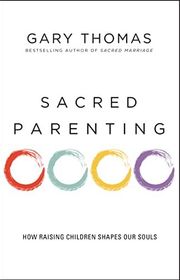
Sacred Parenting: How Raising Children Shapes Our Souls
For parents asking what family life is doing to their own faith. Its focus on the parent's spiritual formation distinguishes it from child-management guides, though readers wanting techniques for a specific behavior will need another book.
What it's about
Gary Thomas explores how raising children can shape parents' character and relationship with God. Biblical reflections and family experiences address patience, sacrifice, humility, and other spiritual challenges within the ordinary demands of caring for children.

Bringing Up Boys
For parents seeking a conservative Christian perspective on raising sons. Its focus on boys gives it more gender-specific discussion than general parenting guides, though its assumptions about masculinity and culture will not fit every household.
What it's about
James Dobson offers a Christian perspective on raising boys and guiding their character development. Drawing on his counseling experience and biblical principles, he addresses questions from parents and educators about masculinity, growing up, and the challenges boys face.
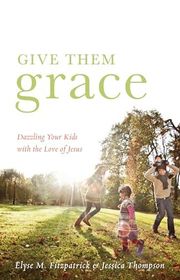
Give Them Grace: Dazzling Your Kids with the Love of Jesus
For Christian parents worried that family life has become a project of producing good behavior. Its distinction between moral performance and grace offers a focused theological challenge, though readers wanting a neutral or technique-led approach may struggle.
What it's about
Elyse Fitzpatrick and Jessica Thompson examine parenting through the relationship between Christian law and grace. They discuss everyday conversations, obedience, and failure, asking how parents can communicate the gospel rather than simply demand good behavior.

Grace Based Discipline
How to Be at Your Best When Your Kids Are at Their Worst
For parents who like the idea of grace but struggle to stay calm during conflict. Its focus on boundaries and tailored consequences makes it more practical than a broad spiritual overview, though examples need adapting to individual children.
What it's about
Karis Kimmel Murray presents a Christian approach to discipline built around grace, clear boundaries, and calm responses. Parenting stories illustrate how to adapt consequences to a child’s age, personality, and needs while considering biblical priorities.

For parents looking for a repeatable way to offer choices and follow through calmly. Responsibility and consequences receive more practical attention than in theology-centered books, though the method can feel formulaic when situations call for flexibility.
What it's about
Foster Cline and Jim Fay explain a parenting method that combines loving boundaries with opportunities for children to learn responsibility. Practical examples address tantrums, chores, schoolwork, peer pressure, and technology use while emphasizing calm communication.

For Christian mothers seeking spiritual encouragement in crowded, tiring days. Short gospel reflections make it easier to read in small stretches than a full parenting system, though it offers little direct instruction on behavior or household routines.
What it's about
Gloria Furman offers gospel meditations for mothers balancing family responsibilities with fatigue and discouragement. Drawing on Scripture, she reflects on everyday motherhood and encourages readers to deepen their relationship with Christ amid unfinished chores and busy schedules.

For parents and caregivers who want a developmental lens on raising boys. Its stage-based discussions provide more structure than general encouragement, though broad descriptions of boys may not match a particular child's temperament or needs.
What it's about
Stephen James and David Thomas offer Christian parents and caregivers a guide to understanding boys through different developmental stages. Practical discussions cover discipline, attention, screen time, and dating while emphasizing encouragement, affection, and a boy’s need for affirmation.

For parents struggling to combine affection with consistent limits. It concentrates on responsibility and consequences more directly than the devotional books, though applying its framework well still requires judgment about a child's age and circumstances.
What it's about
Henry Cloud and John Townsend apply their Christian approach to boundaries to parenting. They discuss setting limits, using consequences, and helping children take responsibility for their behavior, emotions, and choices while maintaining a loving relationship.

Making Children Mind without Losing Yours
For parents who want everyday examples of combining warmth with accountability. The Reality Discipline approach makes consequences the central tool, though a general method cannot account for every child's developmental needs or the causes of recurring conflict.
What it's about
Kevin Leman introduces his Reality Discipline approach to parenting through everyday examples. The guide considers why children misbehave and explains ways to combine affection with accountability when handling tantrums, sibling conflict, privileges, and other recurring challenges.

Parenting Isn't for Cowards
The 'You Can Do It' Guide for Hassled Parents from America's Best-Loved Family Advocate
For parents who feel worn down by difficult behavior and need reassurance alongside direction. It addresses parental frustration more directly than a devotional collection, though its older examples and conservative assumptions may require considerable translation.
What it's about
James Dobson addresses the frustration, guilt, and exhaustion that can accompany raising difficult children. Combining his experience as a parent and therapist, he offers guidance for navigating childhood and adolescence while strengthening family relationships and managing parental burnout.

Raising Grateful Kids in an Entitled World
How One Family Learned That Saying No Can Lead to Life's Biggest Yes
For parents concerned that comfort and possessions are shaping children's expectations. Family stories make gratitude and service more concrete than a general discussion of values, though this is one family's experience rather than a universal parenting formula.
What it's about
Kristen Welch shares her family’s experience of resisting entitlement and learning gratitude. Biblical reflections and practical examples explore distinguishing wants from needs, setting limits, and helping children gain perspective through service and hard work.

Hands Free Mama
For parents whose phones and schedules crowd out ordinary family time. Its personal stories focus on attention and connection rather than discipline systems, though the reflective style offers less structure than a step-by-step plan.
What it's about
Rachel Macy Stafford shares her effort to reduce digital distractions, overcommitment, and perfectionism in family life. Personal stories and practical strategies encourage parents to make room for ordinary moments of connection and more attentive time with their children.
Sources
- 1
Christian Parenting (138 books)
goodreads.com
- 2
Parenting book recs from reformed Christians
reddit.com
- 3
The Best Christian Parenting Books: A Top 20 List for Biblically-Minded Mom
mamaduck.com
- 4
Parenting Resources
churchonmill.org
- 5
Parenting Books
hillside.org
- 6
The 15 Best Christian Parenting Books (By Stage)
faithfulkids.app
- 7
Recommended Christ-Centered Books on Parenting
wespinkley.com
- 8
23 Christian Parenting Books to Prepare You for the Road Ahead
crosswalk.com
- 9
The Best Christian Parenting Books
cheerfullysimple.com
- 10
Faith based books on Parenting after a neglectful/abusive childhood
reddit.com




Edited by
Software engineer whose passion for tracking book recommendations from podcasts inspired the creation of MRB.
Lead investor at 3one4 Capital whose startup expertise and love for books helped shape MRB and its growth.
Comments
Spotted a missing book, a wrong order or a mistake? Tell us and we'll fix this page.
We're a reading guide, not the author or publisher, so we can't send books or pass on messages.