
11 Best Cloud Computing Books
The best cloud computing books, ranked by how many expert sources recommend each one, with notes for newcomers, architects, developers, and infrastructure engineers.
Our take
Cloud computing books serve different needs. A business reader may want to understand service models and adoption choices, while an engineer needs to think about infrastructure, application design, and operations. Learning those principles is a different task from memorizing a provider's current services. The most useful starting point depends on your technical background and whether you are exploring the idea, planning a migration, or building systems.
Explain the Cloud Like I'm 10 and Cloud Computing Basics provide approachable introductions. Cloud Computing For Dummies connects the subject with organizational decisions, while The Cloud Computing Book offers a more technical foundation. Michael Kavis's Architecting the Cloud concentrates on design choices. For implementation work, Infrastructure as Code addresses repeatable infrastructure management, and Cloud Native Patterns turns toward application architecture. Platform-specific instructions and practical exercises should be read alongside current documentation as services change. Begin with a nontechnical introduction if the vocabulary is unfamiliar, then choose a book focused on the work you need to do.
11 books · 9 sources · Last updated
As an Amazon Associate, we earn from qualifying purchases (at no extra cost to you).
How to choose from this list
Skip to the full rankingIf you're starting without a technical background: Explain the Cloud Like I'm 10 → Cloud Computing Basics
If you want to assess organizational cloud choices: Cloud Computing For Dummies
If you want a technical foundation: The Cloud Computing Book
If you want to design cloud applications: Architecting the Cloud → Cloud Native Patterns
If you want repeatable infrastructure management: Infrastructure as Code
If you want programming-oriented study: Cloud Computing (Arshdeep Bahga and Vijay Madisetti)
The 11 books, ranked
Ranked by how many expert sources name each book. Ties go to the book more people recommend.

For readers who want a structured, vendor-neutral foundation before choosing particular services. Its detailed vocabulary and architectural mechanisms provide more depth than the casual introductions, though the formal treatment is better suited to sustained study than quick practical results.
What it's about
Thomas Erl and his collaborators explain cloud computing through vendor-neutral concepts, models, mechanisms, and architectures. The book examines the technical building blocks of scalable cloud environments alongside the business and economic factors involved in adopting and using cloud services.

Cloud Computing For Dummies
For business readers and newcomers who need to understand cloud options and their implications. It connects technical ideas with organizational questions, though the broad overview will not replace practical training on a chosen platform or a detailed architecture text.
What it's about
Judith Hurwitz and Daniel Kirsch introduce cloud computing and explain how organizations can evaluate their options. Accessible discussions clarify the technology and its business implications, helping readers frame decisions about cloud services, potential benefits, and implementation challenges.

For engineers who want infrastructure changes to follow repeatable software development practices. Its emphasis on design and team workflows reaches beyond individual automation scripts, though the book assumes technical experience and takes more effort than a platform-specific introduction.
What it's about
Kief Morris applies software engineering and DevOps practices to managing cloud infrastructure through code. The book examines principles and design patterns for dynamic systems, addressing the complexity that arises as teams build, change, and maintain increasingly large infrastructure environments.

For architects and technical leaders comparing service models against business requirements. The focus on tradeoffs gives adoption decisions more structure than a general introduction, though the conceptual approach needs current platform documentation alongside it for implementation.
What it's about
Michael Kavis guides organizations through choosing cloud service models according to business and technical requirements. The vendor-neutral discussion examines each model's tradeoffs and design considerations, including security, privacy, storage, logging, and monitoring service agreements as part of cloud architecture.

Explain the Cloud Like I'm 10
For readers who find technical introductions intimidating and want an intuitive starting point. Pictures and familiar online services make abstract ideas approachable, though the deliberately simple explanations offer little preparation for configuring infrastructure or designing production systems.
What it's about
Todd Hoff explains cloud computing through pictures, examples, and one concept at a time. Everyday services such as Netflix, Kindle, and Google Maps illustrate how cloud applications work, introducing nontechnical readers to the internet, providers, and underlying computing ideas.
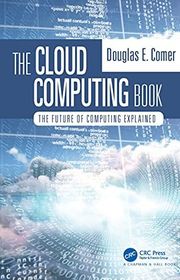
The Cloud Computing Book
For technically curious readers who want a connected explanation of how cloud systems work. Its emphasis on principles links infrastructure with software design, though the textbook approach requires more background and concentration than a nontechnical overview.
What it's about
Douglas Comer explains the principles behind cloud computing, from infrastructure and virtualization to automation and cloud-native software. The book connects the layers of a cloud environment, emphasizing how the parts fit together rather than cataloging commercial services.

For IT leaders and engineers planning to move existing applications into cloud environments. Its combination of strategy and implementation keeps migration decisions connected, though service examples reflect an earlier cloud landscape and need checking against current platform documentation.
What it's about
Ray Rafaels explains public and private cloud technology alongside the process of migrating existing applications. The guide connects strategic planning, technical design, and implementation decisions, addressing how IT leaders and engineers can approach migration while considering operational risk.

For students with programming experience who want cloud concepts connected to application development. Its practical orientation goes beyond the nontechnical introductions, though exercises tied to particular tools and services may require adaptation as platforms change.
What it's about
Arshdeep Bahga and Vijay Madisetti teach cloud computing through a hands-on approach aimed at students with programming experience. Explanations and practical development work guide readers toward building working cloud applications, connecting foundational concepts with real-world implementation.
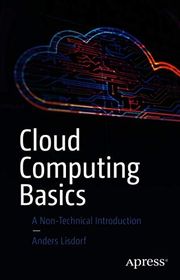
Cloud Computing Basics
For readers who need a nontechnical introduction to cloud computing and its business context. Its accessible overview helps organize unfamiliar concepts, though it offers less technical depth and practical implementation work than the architecture and programming books.
What it's about
Anders Lisdorf introduces cloud computing for readers without a technical background. The book explains its basic ideas, common service models, and organizational implications, helping readers understand how cloud services fit into discussions about technology and business.
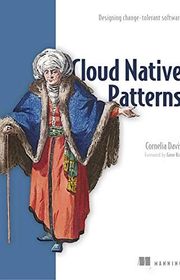
Cloud Native Patterns
For developers moving from deploying applications in the cloud to designing for distributed environments. Its patterns connect architecture with resilience and change, though the technical examples assume programming experience and are narrower than a general cloud introduction.
What it's about
Cornelia Davis examines patterns for building applications that operate in distributed cloud environments. The book connects software structure, communication, state, and deployment with the challenge of keeping applications adaptable as services and operating conditions change.

For beginners who want an AWS-specific introduction rather than a broad comparison of providers. Its focus makes the service categories concrete, though platform details and procedures need checking against current documentation and it is not a complete certification course.
What it's about
Stephen Baron introduces Amazon Web Services for readers beginning to explore cloud computing. The guide outlines storage with S3 and Glacier, computing with EC2, databases, and security considerations, explaining how these services relate to an organization's infrastructure needs.
Sources
- 1
12 Best Cloud Computing Books for 2026 | ComputingForGeeks
computingforgeeks.com
- 2
Top 5 Cloud Computing Books for Beginners to Read in 2026 - Best of Lot | Java67
java67.com
- 3
Cloud Computing Books That Will Make You Smarter in 2025!
upgrad.com
- 4
Cloud Computing Books
goodreads.com
- 5
100 Best Cloud Computing Books of All Time (Updated for 2026)
shortform.com
- 6
48 Best Resources to Learn Cloud Computing (YouTube, Books)
mltut.com
- 7
Top Cloud Books recommended by experts (2026 Edition) - MentorCruise
mentorcruise.com
- 8
4 cloud computing books for those starting from scratch
reddit.com
- 9
Books - Awesome Cloud Computing
awesome-clouds.com



Edited by
Software engineer whose passion for tracking book recommendations from podcasts inspired the creation of MRB.
Lead investor at 3one4 Capital whose startup expertise and love for books helped shape MRB and its growth.
Comments
Spotted a missing book, a wrong order or a mistake? Tell us and we'll fix this page.
We're a reading guide, not the author or publisher, so we can't send books or pass on messages.