
8 Best Classical Music Books
The best classical music books, ranked by how many expert sources recommend each one, with notes for choosing listening guides, composer lives, and music history.
Our take
Classical music books can help you hear more in a piece, place it within history, or understand the people who make and perform it. Those approaches offer different kinds of enjoyment. A listening guide concentrates on what happens in the music, a biography follows an individual life, and a cultural history connects works with the world around them. Personal accounts of the profession and stories about musical experience provide other ways into the subject.
What to Listen For in Music is a useful starting point for more attentive listening, while The NPR Guide to Building a Classical CD Collection introduces particular works and recordings. The Lives of the Great Composers offers broad biographical coverage; Beethoven takes a much deeper look at one composer. The Rest Is Noise explores twentieth-century music in context. For different perspectives, Mozart in the Jungle examines professional life and Musicophilia considers musical experience through clinical stories. Start with Copland if you want to listen more closely, then choose history or biography according to your curiosity.
8 books · 6 sources · Last updated
As an Amazon Associate, we earn from qualifying purchases (at no extra cost to you).
How to choose from this list
Skip to the full rankingIf you want to listen more attentively: What to Listen For in Music → The NPR Guide to Building a Classical CD Collection
If you want twentieth-century cultural history: The Rest Is Noise
If you want composer biographies: The Lives of the Great Composers → Beethoven
If you want an insider's professional memoir: Mozart in the Jungle
If you want music explored through human experience: Musicophilia
If you prefer short anecdotes about composers: Secret Lives of Great Composers
The 8 books, ranked
Ranked by how many expert sources name each book. Ties go to the book more people recommend.

For readers who want twentieth-century music placed within political and cultural history. Ross connects composers and movements across a wide landscape, though the number of figures and unfamiliar musical styles rewards patient reading and listening alongside the text.
What it's about
Alex Ross traces twentieth-century music alongside the political and cultural forces that shaped it. Moving through European and American musical worlds, he examines composers, experimentation, war, dictatorship, technology, and the connections between modern classical music and popular culture.
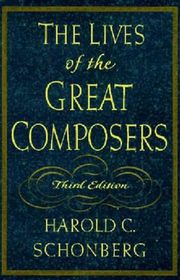
The Lives of the Great Composers
For readers who like learning music history through the people who made it. The collection of composer portraits provides a broad biographical route, though its composer-centered account gives less space to performers and wider social history than other approaches.
What it's about
Harold Schonberg surveys the lives and work of major Western classical composers through a sequence of biographical portraits. Personal circumstances, musical ambitions, and historical settings connect individual careers with the changing traditions in which they worked.
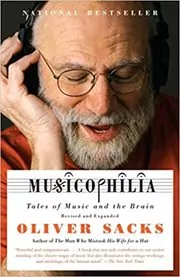
Musicophilia
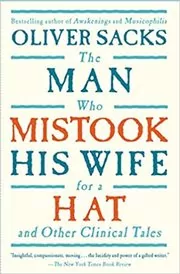
For listeners curious about how music intersects with memory, perception, and identity. The clinical stories give the subject a human perspective, though this is a book about musical experience broadly rather than a guide to classical works or composers.
What it's about
Sacks explores how music can disturb, heal, and define the brain, from musical hallucinations to Parkinson’s patients moved by rhythm. The result is a set of human stories about why music matters so deeply.
Also recommended by
2 people Aniela Gregorek recommended this book
Aniela Gregorek
"I gained a deeper understanding of how music affects our moods and our brains." - Aniela Gregorek
Aniela Gregorek's recommendation of this book  Justin Boreta recommended this book
Justin Boreta
One of Justin Boreta's most-gifted or recommended books.
Justin Boreta's recommendation of this book

What to Listen For in Music
For listeners who want to notice musical structure and think more deliberately about what they hear. Copland's composer's perspective goes beyond biography and anecdotes, though the analytical approach works best with time spent listening to the music he discusses.
What it's about
Aaron Copland introduces an analytical approach to listening to classical and contemporary music. Writing from a composer's perspective, he encourages readers to notice more of what they hear and explore the processes that shape their responses to musical works.
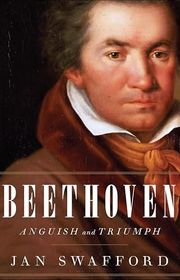
Beethoven
For readers ready to spend substantial time with one composer and his music. Swafford combines detailed biography with musical discussion, though the book's scale and analytical passages demand a much larger commitment than a general introduction or collection of portraits.
What it's about
Jan Swafford traces Beethoven's life alongside the music he composed, from his early training to his years in Vienna. The biography connects relationships, working habits, illness, and artistic ambition with the development of particular compositions.

For readers who want an insider's account of earning a living in classical music. Tindall connects personal experience with industry pressures, though the candid material and American professional setting offer a more particular, less celebratory view than a listening guide.
What it's about
Blair Tindall combines memoir and investigative journalism in an account of professional classical music. Drawing on her career as an oboist, she explores ambition, money, sexual politics, drug use, and the pressures behind orchestral and theatrical performance.

Secret Lives of Great Composers
What Your Teachers Never Told You about the World's Musical Masters
For readers who want short, lively sketches of composers' personalities and private lives. The anecdotal format is easy to dip into, though the emphasis on scandal and eccentricity gives less attention to the music itself or sustained biography.
What it's about
Elizabeth Lunday explores the personal lives of composers through anecdotes about eccentricities, scandals, ambitions, and misfortunes. Stories range from Bach and Rossini to Elgar and John Cage, placing musical achievements alongside less familiar episodes from their lives.
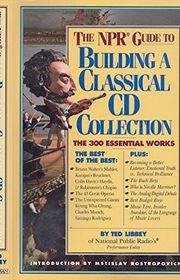
The NPR Guide to Building a Classical CD Collection
For listeners who want introductions to individual works together with recording recommendations. The work-by-work format makes choosing something to hear practical, though its CD-focused recommendations reflect an older catalogue and availability may differ on current listening services.
What it's about
Theodore Libbey introduces hundreds of classical works and discusses recordings of them. Composer background, explanations of the music, and performance comparisons help listeners explore the repertoire, with recommendations organized around building a classical recording collection.
Sources
- 1
9 Nonfiction Books For Lovers of Classical Music
bustle.com
- 2
LISZT | 12 Best-Rated Classical Music Books - Classical FM
ludwig-van.com
- 3
The Best Books on Classical Music - Five Books Expert Recommendations
fivebooks.com
- 4
Classical Music Books
goodreads.com
- 5
Interesting books about composers
reddit.com
- 6
Classical CD Guide -- Top 10 Essential Books About Classical Music
classicalcdguide.com





Edited by
Software engineer whose passion for tracking book recommendations from podcasts inspired the creation of MRB.
Lead investor at 3one4 Capital whose startup expertise and love for books helped shape MRB and its growth.
Comments
Did we miss something? Have feedback?
Help us improve this page by sharing your thoughts