
8 Best Chef Books
The best chef books, ranked by expert source recommendation counts, with notes to help cooks choose kitchen memoirs, technique guides, and flavor references.
Our take
Chef books serve different purposes. Some teach recipes and technique, some explain ingredients, and others describe the pressures and satisfactions of restaurant work. Aspiring professionals can learn from all three, but a memoir will not supply the same foundation as a cookbook or reference. Experienced cooks may find their next useful book by identifying a particular gap in their knowledge.
Mastering the Art of French Cooking develops skills through detailed preparations, while The Silver Spoon offers a wide Italian repertoire with more concise recipes. Larousse Gastronomique answers specific questions across culinary subjects. For cooking more intuitively, The Flavor Bible concentrates on ingredient pairings, and Culinary Artistry connects those choices with dishes, menus, and creative direction. On Food and Cooking explains the science behind what happens in the kitchen.
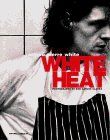
Start with technique if the basics feel uncertain. Choose Kitchen Confidential for restaurant life, or White Heat for a chef’s personal vision expressed through recipes, reflections, and photographs.
8 books · 9 sources · Last updated
As an Amazon Associate, we earn from qualifying purchases (at no extra cost to you).
How to choose from this list
Skip to the full rankingIf you want a detailed technique foundation: Mastering the Art of French Cooking
If you want to understand food science: On Food and Cooking
If you want to develop flavor combinations: The Flavor Bible → Culinary Artistry
If you need a culinary reference: Larousse Gastronomique
If you want a broad Italian repertoire: The Silver Spoon
If you want perspectives on restaurant life: Kitchen Confidential → White Heat
The 8 books, ranked
Ranked by how many expert sources name each book. Ties go to the book more people recommend.

For readers who want a chef’s perspective on restaurant work, ambition, and kitchen culture. Bourdain’s candid voice makes the workplace vivid, though the abrasive tone and particular period of restaurant life do not represent every professional kitchen.
What it's about
Bourdain throws open the kitchen doors and shows restaurant life in all its speed, grime, and dark humor. Part memoir and part expose, it tracks his years as a cook and the rough culture that shaped him.
Also recommended by
2 people Jon Favreau recommended this book
Jon Favreau
"Great book." - Jon Favreau
Jon Favreau's recommendation of this book  Eric Ripert recommended this book
Eric Ripert
"I love that Tony’s world in the kitchen was filled with pirate-like renegades when mine was peopled with regimented professionals. How eye-opening and entertaining to read about the other side!" - Eric Ripert
Eric Ripert's recommendation of this book

For curious cooks who want to understand what ingredients and heat are doing. McGee connects kitchen observations with food science in considerable depth, though it is a reference to consult rather than a recipe collection to cook through.
What it's about
Harold McGee explains the science behind ingredients and their transformation in the kitchen. Combining technical explanations with food history, he explores production, preparation methods, flavors, and the processes that shape what people cook and eat.
Also recommended by
3 people Donald Knuth recommended this book
Donald Knuth
"Applied biochemistry in the kitchen." - Donald Knuth
Donald Knuth's recommendation of this book  Samin Nosrat recommended this book
Samin Nosrat
"This explains everything. Literally. I am so grateful to [the author] for his tirelessness, his patience, and his commitment to answering the whys of the kitchen." - Samin Nosrat
Samin Nosrat's recommendation of this book  Chris Young recommended this book
Chris Young
"My career starts with [this book] in many ways. There wouldn’t be any of this modern cooking movement without [this book], I don’t think." - Chris Young
Chris Young's recommendation of this book

The Flavor Bible
The Essential Guide to Culinary Creativity, Based on the Wisdom of America's Most Imaginative Chefs
For cooks who already have basic technique and want help combining ingredients without following fixed recipes. Its alphabetical flavor pairings make consultation easy, though the lists assume enough experience to turn suggestions into balanced dishes.
What it's about
Karen Page and Andrew Dornenburg offer an alphabetical reference to ingredients and the flavors that complement them. Drawing on chefs’ experience, the book encourages intuitive cooking through attention to seasoning, balance, texture, and the possibilities of individual ingredients.
Also recommended by
1 person Sam Kass recommended this book
Sam Kass
Sam Kass recommended this book in the "Tools of Titans" book.
Sam Kass's recommendation of this book

For cooks who want to build a foundation through detailed French recipes and explanations. The careful attention to technique rewards patient practice, though the longer preparations and traditional repertoire demand more time than a quick everyday cookbook.
What it's about
Julia Child, Simone Beck, and Louisette Bertholle introduce French cooking through detailed recipes and explanatory illustrations. Organized around foundational dishes and variations, the cookbook helps home cooks understand techniques and build a repertoire of classic French preparations.
White Heat
For readers interested in a chef’s creative identity and the atmosphere of demanding restaurant work. White combines recipes with personal reflections and photographs, though the particular restaurant style and technical dishes offer limited guidance for everyday cooking.
What it's about
Marco Pierre White combines recipes with reflections on his early career and approach to restaurant cooking. Photographs document kitchen work and finished dishes, giving readers a portrait of the ambition, pressure, and style behind his food.

Culinary Artistry
For chefs interested in developing dishes and menus as coherent creative decisions. Dornenburg and Page connect ingredient combinations with broader culinary thinking, though the exploratory format gives less direct guidance than a conventional collection of tested recipes.
What it's about
Andrew Dornenburg and Karen Page explore the creative decisions behind dishes, menus, and cuisines through conversations with chefs. Ingredient combinations, culinary principles, and practical examples help cooks understand how flavors can be composed into a coherent meal.

For cooks who want an extensive reference on ingredients, techniques, recipes, and culinary history. Its encyclopedic organization supports targeted questions, though the breadth and traditional French emphasis make it less suitable as a sequential course for beginners.
What it's about
Larousse Gastronomique brings together entries on ingredients, cooking techniques, equipment, recipes, culinary history, and notable cooks. This encyclopedia combines traditional preparations with subjects such as sous-vide cooking and molecular gastronomy, supported by photographs and a recipe index.

The Silver Spoon
For cooks who want a broad working collection of traditional Italian dishes. Its extensive repertoire makes it useful for comparing everyday preparations, though the concise recipes often expect more judgment than a closely explained introductory cooking course.
What it's about
This extensive collection documents traditional Italian home cooking through more than two thousand recipes. Illustrated dishes provide a reference for preparing meals across the cuisine, from everyday staples to food for larger gatherings.
Sources
- 1
Chef's Picks: Our Top 5 Favourite Books by Chefs - Chef Sous Chef
chefsouschef.com
- 2
7 Books All Chefs Should Read According to Professional Chefs - Escoffier
escoffier.edu
- 3
Books All Chefs Should Read, According to Professional Chefs - The Culinary School of Fort Worth
csftw.edu
- 4
Chef Books
goodreads.com
- 5
100 Best Chef Books of All Time (Updated for 2026)
shortform.com
- 6
Best Books for Culinary Students | Institute of Culinary Education
ice.edu
- 7
Books You Think Every Chef Should Read! : r/Chefit
reddit.com
- 8
The 15 best cookbooks, chosen by chefs
bbcgoodfood.com
- 9
I’m looking for books that would help me appreciate food culture or chef culture : r/Chefit
reddit.com




Edited by
Software engineer whose passion for tracking book recommendations from podcasts inspired the creation of MRB.
Lead investor at 3one4 Capital whose startup expertise and love for books helped shape MRB and its growth.
Comments
Did we miss something? Have feedback?
Help us improve this page by sharing your thoughts