
22 Best Italian Cooking Books
The best Italian cooking books, ranked by how many expert sources recommend each one, with notes for beginners and cooks exploring regional dishes.
Our take
Italian cooking changes from region to region and from household to household. A broad reference can help you explore that range, while a focused book gives more space to one place, ingredient, or technique. Pasta is only part of the picture: breads, vegetables, fish, meat, soups, and sweets all deserve their own attention. Some authors teach each decision carefully; others assume you already know your way around a kitchen.
Essentials of Classic Italian Cooking is a useful starting point if you want explanations alongside recipes. The Silver Spoon and La Cucina offer a much larger pool of ideas, with shorter instructions. For concentrated practice, Mastering Pasta and The Italian Baker focus on particular skills. Regional books such as Naples at Table and The Splendid Table show why one general picture of Italian food is never quite enough. The reference works add history and terminology, while the older classics may require interpretation of familiar techniques. Start with a teaching-focused book, then choose a region or skill you want to cook more often.
22 books · 12 sources · Last updated
As an Amazon Associate, we earn from qualifying purchases (at no extra cost to you).
How to choose from this list
Skip to the full rankingIf you're learning Italian cooking: Essentials of Classic Italian Cooking → Everyday Italian
If you want a broad recipe reference: The Silver Spoon → La Cucina
If you want to practice handmade pasta: Mastering Pasta → Pasta Grannies
If you want Italian breads and sweets: The Italian Baker
If you want to explore specific regions: Naples at Table → The Splendid Table
If you want culinary terms and cultural context: Gastronomy of Italy → Let's Eat Italy!
The 22 books, ranked
Ranked by how many expert sources name each book. Ties go to the book more people recommend.

Essentials of Classic Italian Cooking
For home cooks who want to understand techniques as well as follow recipes. Its explanations make a stronger teaching foundation than a broad recipe compendium, but the text-heavy presentation asks for reading rather than quick visual browsing.
What it's about
Marcella Hazan presents a comprehensive guide to Italian home cooking, combining recipes with explanations of ingredients and technique. Pasta, risotto, vegetables, meat, fish, and other dishes illustrate her emphasis on understanding basic methods and respecting the character of individual ingredients.
Also recommended by
2 people Mark Bittman recommended this book
Mark Bittman
"The best basic [Italian book]." - Mark Bittman
Mark Bittman's recommendation of this book  Samin Nosrat recommended this book
Samin Nosrat
Samin Nosrat mentioned this book on "The Tim Ferriss Show" podcast.
Samin Nosrat's recommendation of this book

The Silver Spoon
For cooks who already know basic techniques and want a large source of everyday ideas. The breadth makes it a useful household reference, but the concise recipes provide less troubleshooting and explanation than a teaching-focused book.
What it's about
This extensive collection documents traditional Italian home cooking through more than two thousand recipes. Illustrated dishes provide a reference for preparing meals across the cuisine, from everyday staples to food for larger gatherings.

For cooks who want to compare regional traditions rather than learn one author’s repertoire. The collection preserves a wide range of local dishes, but the terse instructions often assume existing technique and access to particular ingredients.
What it's about
The Italian Academy of Cuisine collects traditional recipes documented in villages throughout Italy. Each dish identifies its region of origin, preserving differences in ingredients and techniques alongside historical recipes and notes on local food culture.
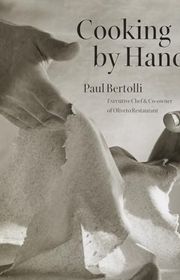
Cooking by Hand
For experienced cooks who want to understand ingredients and processes in depth. The essays connect decisions to flavor more closely than a simple recipe collection, but the projects and exacting approach demand time and sustained attention.
What it's about
Bertolli combines essays, personal reflection, and recipes to explore an ingredient-led approach to Italian cooking. Tomatoes, pasta, preserved foods, and meat preparations become starting points for understanding how observation, technique, and patient work shape a finished dish.

Italian Food
For readers who enjoy culinary history and a distinctive writer’s view of regional cooking. Its commentary gives dishes a cultural setting, but the older instructions assume more kitchen knowledge than many contemporary beginner cookbooks.
What it's about
Elizabeth David explores the regional food traditions of Italy, drawing on her travels and kitchen experiments. Recipes and commentary range across Tuscany, Sicily, Lombardy, Umbria, and other regions, emphasizing local ingredients and established cooking practices.

Lidia's Mastering the Art of Italian Cuisine
Everything You Need to Know to Be a Great Italian Cook
For home cooks who prefer substantial practical instruction alongside a broad recipe collection. Its attention to ingredients and basic kitchen work supports regular use, but the size makes it less focused than a single-subject pasta or baking book.
What it's about
Lidia Bastianich and Tanya Bastianich Manuali teach Italian cooking through recipes and practical kitchen instruction. The book explains choosing, storing, and preparing ingredients, essential tools, and techniques for dishes ranging from risotto to fresh pasta.
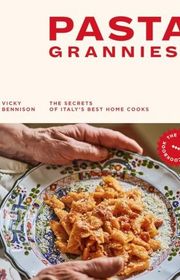
Pasta Grannies
For cooks who want handmade pasta taught through the experiences of home cooks. The personal stories connect shapes and dishes with living traditions, but the hand skills need practice and are less systematically explained than in a technical manual.
What it's about
Bennison gathers pasta recipes and stories from Italian grandmothers whose skills were developed through years of home cooking. The collection introduces regional shapes, techniques, and dishes, connecting practical preparation with the people and households that keep the traditions alive.

Science in the Kitchen and the Art of Eating Well
For readers interested in the historical foundations of Italian household cooking. Its anecdotes and recipes reveal an earlier culinary world, but the assumptions, measurements, and methods require interpretation rather than treating it as a modern beginner course.
What it's about
Pellegrino Artusi's collection brings Italian recipes together with anecdotes, personal observations, and historical context. Written for household cooks, it documents everyday dishes and culinary traditions that helped shape a shared Italian food culture.
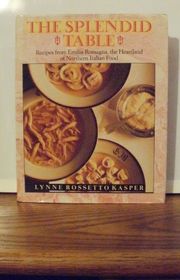
The Splendid Table
For cooks who want a deep introduction to Emilia-Romagna rather than a tour of all Italy. The regional focus connects dishes with local food culture, but richer preparations and detailed projects can require more planning than everyday dinners.
What it's about
An exploration of Emilia-Romagna brings recipes together with the region’s ingredients, history, and kitchen traditions. Pasta, meat, vegetables, and other dishes show how a particular northern Italian food culture takes shape through local products and established techniques.

For readers who want cooking and entertaining presented through life in Tuscany. The photographs and personal stories give the recipes a welcoming setting, but it is a household repertoire rather than a comprehensive guide to every Italian region.
What it's about
Frances and Edward Mayes share recipes developed through their years in Tuscany. Organized around the courses of an Italian dinner, the book combines seasonal dishes with photographs and stories of cooking and entertaining at their Cortona home.

Everyday Italian: 125 Simple and Delicious Recipes
For beginners and busy home cooks who want approachable meals using familiar ingredients. The practical repertoire is easier to enter than a large historical reference, but it offers less regional depth and technical explanation than the more specialized books.
What it's about
Drawn from her first cooking show, Everyday Italian gathers streamlined versions of classic antipasti, pastas, and roasts into one approachable collection. The recipes favor supermarket ingredients and clear methods so Italian comfort food fits into real life weeknights.
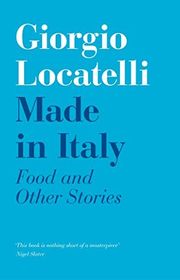
Made in Italy
For confident cooks who want a chef’s thinking alongside family stories and recipes. Its blend of restaurant experience and regional roots gives dishes context, but the long explanations and ambitious preparations are less suited to hurried beginners.
What it's about
Locatelli combines family memories, Italian food traditions, and experience in professional kitchens. Recipes sit alongside explanations of ingredients and technique, showing how regional cooking and personal history inform dishes developed for both home tables and restaurant service.
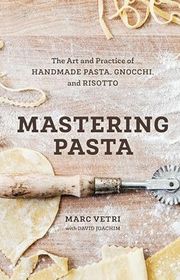
Mastering Pasta
For cooks ready to work seriously on handmade pasta rather than collect more sauce ideas. Its detailed explanations connect dough choices with results, but the techniques and repeated practice require more time than a quick weeknight guide.
What it's about
Vetri and Joachim explain handmade pasta, gnocchi, and risotto through detailed instruction and recipes. The book connects ingredients, dough preparation, shaping, and cooking, using practical examples and the chef’s experience to develop understanding alongside a repertoire of dishes.
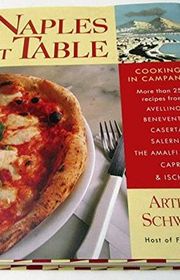
Naples at Table
For cooks who want Naples and Campania treated as a distinct culinary region. The background explains connections often blurred in general Italian cookbooks, but the range of local dishes can require sourcing and preparation beyond a quick dinner.
What it's about
Schwartz explores the food and people of Naples and Campania through recipes and regional commentary. Pasta, pizza, seafood, vegetables, and soups connect the cuisine with local places and traditions, while showing its influence on Italian-American cooking.
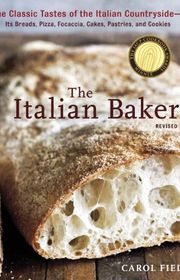
The Italian Baker
For bakers who want Italian breads and sweets in one substantial reference. Its detailed attention to doughs gives more support than a general cookbook, but the time, repetition, and precision make it a project-oriented choice.
What it's about
Field explores Italian baking through breads, pizza, focaccia, cakes, pastries, and cookies. Recipes and technical explanations connect regional traditions with practical dough handling, helping home bakers reproduce a varied range of baked goods in their own kitchens.
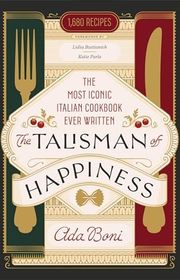
The Talisman of Happiness
For cooks who want the complete English translation of a large Italian household reference. Its range goes well beyond the older abridged adaptation, but the scale and traditional assumptions make selective use more practical than a first course.
What it's about
Boni’s wide-ranging collection brings regional Italian household recipes together in a complete English translation. It covers daily meals and more elaborate preparations, preserving a broad culinary repertoire while making the original work accessible to readers in American kitchens.
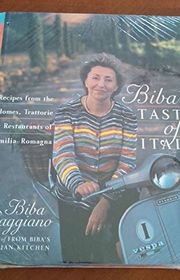
Biba's Taste of Italy
For cooks who want Emilia-Romagna introduced through a personal regional repertoire. Its mix of home and restaurant dishes gives familiar ingredients different settings, but it remains a focused journey rather than an all-Italy reference or beginner technique course.
What it's about
Caggiano returns to the food of Emilia-Romagna through recipes from homes, trattorias, and restaurants. Personal memories and regional context accompany dishes that reflect the area’s ingredients and cooking traditions, linking her professional experience with the food of her upbringing.
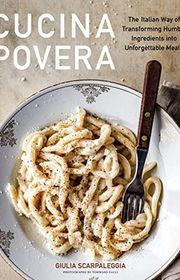
Cucina Povera
For home cooks who want to make resourceful meals from modest ingredients. Its attention to leftovers, legumes, and seasonal produce offers a different focus from restaurant cooking, but the traditional preparations still require time and planning.
What it's about
Scarpaleggia explores cucina povera through recipes built around inexpensive ingredients, leftovers, and seasonal food. Beans, vegetables, grains, pasta, fish, and less costly cuts of meat illustrate a resourceful cooking tradition that turns limited supplies into varied meals.
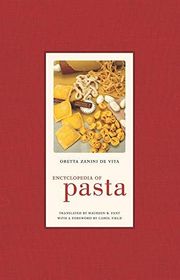
Encyclopedia of Pasta
For readers who want to understand pasta names, shapes, and regional histories. Its research gives context that recipe books often omit, but it is a cultural reference rather than a practical course in making dough or cooking sauces.
What it's about
A historical and geographical reference traces Italian pasta through its shapes, local names, and traditions. Drawing on oral histories, archives, and family records, the book explains how different forms developed and what they reveal about regional food culture.
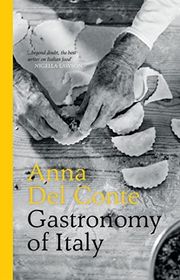
Gastronomy of Italy
For cooks who want to look up unfamiliar ingredients, dishes, and regional terms. The alphabetical format is more useful for targeted questions than a narrative cookbook, but it does not provide a step-by-step path through learning the cuisine.
What it's about
An A-to-Z reference explains Italian ingredients, dishes, techniques, and regional food traditions. Recipes accompany many entries, linking culinary vocabulary and historical context with practical cooking while allowing readers to explore individual questions rather than follow a continuous course.
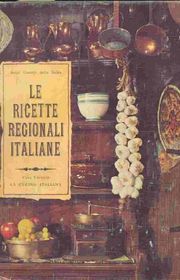
Le Ricette Regionali Italiane
For readers comfortable cooking from Italian who want a substantial regional collection. Its organization supports comparison across local traditions, but the Italian-language text and traditional instructions make it less accessible than an illustrated English-language teaching book.
What it's about
Gosetti della Salda brings together recipes from Italy’s regions in an Italian-language collection. The regional organization highlights differences in dishes and ingredients, offering cooks a broad record of local culinary traditions rather than a single household or restaurant repertoire.
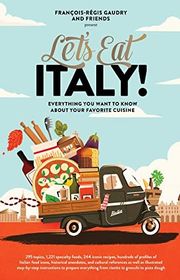
Let's Eat Italy!
For readers who enjoy learning about food through maps, illustrations, stories, and reference material. Its wide cultural range encourages browsing beyond individual dishes, but the large format and mixed content are less convenient for focused cooking instruction.
What it's about
An illustrated exploration combines Italian recipes with food history, science, cultural references, maps, and charts. Regional dishes appear alongside stories about ingredients and traditions, giving readers a visual guide to the broader world surrounding the cuisine.
Sources
- 1
Love Italian Food? 5 Essential Cookbooks for Your Collection
seriouseats.com
- 2
The Best Italian Cookbooks Are the Classics
saveur.com
- 3
The 12 Best Italian Cookbooks, According to an Award-Winning Chef
parade.com
- 4
5 Italian Cookbooks Every Home Cook Should Own
lacucinaitaliana.com
- 5
10 Best Italian Cookbooks Ever Written
chefspencil.com
- 6
The best Italian cookbooks of all time
theweek.com
- 7
Italian cookbook recommendations
reddit.com
- 8
Best Italian Cookbooks
goodreads.com
- 9
100 Best Italian Cooking Books of All Time
shortform.com
- 10
Best Italian Cookbooks for Regional Italian Cooking
italiamia.com
- 11
10 Best Italian Cookbooks To Add To You Collection
delish.com
- 12
Traditional italian cooking book recommendation
reddit.com






Edited by
Software engineer whose passion for tracking book recommendations from podcasts inspired the creation of MRB.
Lead investor at 3one4 Capital whose startup expertise and love for books helped shape MRB and its growth.
Comments
Did we miss something? Have feedback?
Help us improve this page by sharing your thoughts