
15 Best French Cooking Books
The best French cooking books, ranked by how many expert sources recommend each one, with notes on who they suit, from home cooks to trained chefs.
Our take
French cooking books range from patient lessons for home cooks to compressed references written for people who already know the techniques. Some explain a classical repertoire; others explore regional food culture, contemporary bistros, or restaurant dishes that require considerable preparation. The right choice depends on whether you want to make dinner, build technical confidence, or study a chef's approach.
Mastering the Art of French Cooking provides detailed explanations for cooks ready to work through recipes carefully. Around My French Table and My Paris Kitchen offer more personal collections for home use. Larousse Gastronomique is a reference to consult, while Le Repertoire De La Cuisine assumes existing knowledge. For ambitious projects, consider The French Laundry Cookbook or the dessert-focused Grand Livre de Cuisine. Let's Eat France! suits readers who want to browse food culture as well as cook. Start with a home repertoire before moving to professional shorthand or elaborate restaurant preparations.
15 books · 6 sources · Last updated
As an Amazon Associate, we earn from qualifying purchases (at no extra cost to you).
How to choose from this list
Skip to the full rankingIf you're learning the foundations: Mastering the Art of French Cooking
If you want recipes for home meals: Around My French Table → My Paris Kitchen
If you want contemporary bistro ideas: Bistronomy
If you want a culinary reference: Larousse Gastronomique → Le Repertoire De La Cuisine
If you want ambitious restaurant projects: The French Laundry Cookbook → Alexandre Gauthier
If you want to explore food culture: Let's Eat France!
The 15 books, ranked
Ranked by how many expert sources name each book. Ties go to the book more people recommend.

For patient home cooks who want to learn the reasoning behind classic French dishes. Child, Beck, and Bertholle explain technique more fully than professional shorthand references, though the detailed instructions demand time and attention.
What it's about
Julia Child, Simone Beck, and Louisette Bertholle introduce French cooking through detailed recipes and explanatory illustrations. Organized around foundational dishes and variations, the cookbook helps home cooks understand techniques and build a repertoire of classic French preparations.
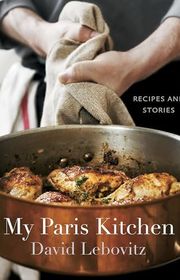
My Paris Kitchen
For home cooks who enjoy recipes with personal stories and a view of contemporary Paris. Its mix of French traditions and outside influences offers variety, though readers wanting a strictly classical curriculum may prefer a more systematic book.
What it's about
Lebovitz shares sweet and savory recipes from his life cooking in Paris. Stories about ingredients, markets, and his kitchen accompany French classics and dishes shaped by the city's wider food influences, connecting home cooking with everyday experience.
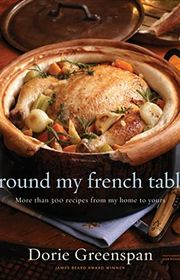
Around My French Table
For home cooks who want a varied repertoire with a conversational guide. Greenspan's focus on dishes gathered through life in France offers everyday possibilities, though it is less systematic as a technique course than Mastering the Art of French Cooking.
What it's about
Greenspan gathers more than three hundred recipes drawn from French home cooking and her experiences in France. The collection combines familiar dishes with contemporary variations, supported by stories, cooking notes, and suggestions for serving them at home.

For experienced cooks studying the structure of classical French cuisine. The extensive narrative recipes reward technical knowledge, though the concise professional style makes this a difficult first cookbook for someone who needs every step explained.
What it's about
This English translation of Escoffier's Le Guide Culinaire presents more than 5,000 narrative recipes from the fourth French edition. It covers the foundations of French cooking, from sauces and soups to meats, fish, and desserts.

For cooks who want an encyclopedia to consult while exploring French food. Its range of ingredients, terminology, and culinary history goes beyond a recipe collection, though it is less suited to learning through a carefully sequenced cooking course.
What it's about
Larousse Gastronomique brings together entries on ingredients, cooking techniques, equipment, recipes, culinary history, and notable cooks. This encyclopedia combines traditional preparations with subjects such as sous-vide cooking and molecular gastronomy, supported by photographs and a recipe index.

For cooks who already understand classical methods and want a compact reminder of dishes and terminology. Its shorthand is faster to consult than an expansive encyclopedia, though beginners will miss measurements and detailed procedural guidance.
What it's about
Louis Saulnier condenses classic French cuisine into a portable reference for experienced cooks. Its brief descriptions of dishes, terminology, and techniques serve as reminders for readers already familiar with the methods of Escoffier's kitchen.

Let's Eat France!
1,250 specialty foods, 375 iconic recipes, 350 topics, and 260 personalities
For curious food lovers who want regional culture, people, and ingredients alongside recipes. Its visual variety makes it more browsable than a technical manual, though cooks seeking a sequential course will need another book.
What it's about
François-Régis Gaudry and his contributors explore French food through recipes, regional specialties, people, and culinary history. Maps, charts, illustrations, and anecdotes turn the collection into a wide-ranging guide to the country's gastronomic traditions.

Paul Bocuse's French Cooking
For readers wanting a broad look at Bocuse's French repertoire. It provides a chef's perspective across many ingredients and occasions, though its older style and assumptions about kitchen knowledge make it less guided than a modern beginner course.
What it's about
Paul Bocuse offers a wide-ranging collection of French recipes for different cooks and occasions. Preparations for meat, seafood, vegetables, fruit, and dairy make the volume a substantial kitchen reference, introducing the repertoire of a chef associated with modern French cuisine.
Also recommended by
1 person Eric Ripert recommended this book
Eric Ripert
"Played a big part in fueling my passion for food and cooking. I must have read it a thousand times." - Eric Ripert
Eric Ripert's recommendation of this book

For home cooks curious about the inventive food of informal Paris bistros. The variety of chefs gives it more contemporary range than a single-author classic, though some restaurant adaptations still require planning and confident kitchen judgment.
What it's about
Jane Sigal gathers recipes from a new generation of informal Paris bistros. The collection adapts chefs' inventive dishes for home kitchens, highlighting responsibly sourced ingredients, unexpected combinations, and techniques suited to small cooking spaces.

Cuisine Minceur
For cooks interested in how French techniques can produce lighter dishes. Guérard offers a distinct historical approach alongside the richer classics here, though its calorie-conscious framing and older kitchen assumptions may feel dated.
What it's about
Michel Guérard applies the principles of classic French cooking to lower-calorie dishes. His guide explains techniques and kitchen equipment before presenting recipes for sauces, soups, seafood, meats, vegetables, and desserts, with sample menus.

The Complete Bocuse
For home cooks seeking a substantial repertoire from a major French chef. Its range makes it more useful for choosing dishes than a specialized pastry volume, though the breadth offers less step-by-step instruction than a teaching cookbook.
What it's about
Paul Bocuse presents a broad repertoire of French cooking adapted for the home kitchen. Recipes span courses and ingredients, while practical appendices supply cooking times, conversions, and culinary terminology, allowing readers to prepare and reinterpret familiar dishes from the French tradition.

The Escoffier Cookbook and Guide to the Fine Art of Cookery
For Connoisseurs, Chefs, Epicures Complete With 2973 Recipes
For experienced home cooks wanting a substantial selection of classical preparations in an American translation. Its measurements and supporting reference material help with consultation, though terse recipes still assume more technique than a beginner teaching book.
What it's about
Escoffier's guide presents 2,973 recipes alongside explanations of stocks, sauces, preparations, and cooking methods. This American translation uses familiar measurements and terminology, with a glossary and sample menus supporting its reference material.

The French Laundry Cookbook
For ambitious cooks interested in how a fine-dining kitchen builds precise dishes. Its essays and demanding preparations offer more restaurant insight than an everyday home cookbook, though ingredients, equipment, and multiple components make casual weeknight use difficult.
What it's about
Thomas Keller brings the food and methods of his Yountville restaurant into a detailed collection of 150 recipes. Essays, kitchen profiles, and photographs sit alongside demanding preparations, from seafood and vegetables to sauces and desserts.

For experienced cooks and readers interested in contemporary French restaurant creativity. Its combination of dishes and regional photography offers inspiration beyond standard classics, though it works better as a chef's collection than an everyday instructional manual.
What it's about
Alexandre Gauthier presents a hundred creations from La Grenouillère, his restaurant in northern France. Photographs of dishes and the surrounding region accompany an exploration of seasonal cooking rooted in classic French cuisine.

For confident bakers and pastry cooks who want a substantial dessert reference. Ducasse and Robert provide more specialized depth than general French cookbooks, though the technical preparations and ingredient-led organization are less welcoming for beginners.
What it's about
Alain Ducasse and Frédéric Robert present desserts, pastries, candies, and frozen sweets in a collection organized by main ingredient. Photographs and cross-sectional drawings accompany recipes ranging from French classics to international desserts and more experimental creations.
Sources
- 1
100 Best French Cooking Books of All Time
shortform.com
- 2
French Cooking 101: Top 10 Cookbooks to Get Started
tastefrance.com
- 3
Recommended Books
pardonyourfrench.com
- 4
French cook book recommendations
reddit.com
- 5
The 10 Best French Cookbooks By Actual French Chefs
leoncechenal.com
- 6
The Best French Cookbooks, According to Chefs
booklisti.com





Edited by
Software engineer whose passion for tracking book recommendations from podcasts inspired the creation of MRB.
Lead investor at 3one4 Capital whose startup expertise and love for books helped shape MRB and its growth.
Comments
Did we miss something? Have feedback?
Help us improve this page by sharing your thoughts