
13 Best Cooking Books
The best cooking books, ranked by how many expert sources recommend each, with notes on who they suit, from kitchen beginners to cooks exploring new techniques.
Our take
A cooking book can teach you how heat changes food, help you put dinner together, or open up a cuisine you haven't tried. These books serve different needs. Broad references such as Joy of Cooking and How to Cook Everything are useful when you want dependable starting points across many dishes. Salt, Fat, Acid, Heat puts more emphasis on understanding flavor so you can make decisions beyond a recipe.
The more focused books reward a different kind of attention. Mastering the Art of French Cooking and Essentials of Classic Italian Cooking teach through detailed recipes, while Moro and Ottolenghi Flavor offer particular approaches to ingredients and seasoning. The Food Lab connects experiments to cooking methods, and On Food and Cooking answers deeper questions about what happens in the kitchen. Start with a general guide if everyday meals are the challenge, then choose a cuisine or technique you want to practice.
13 books · 8 sources · Last updated
As an Amazon Associate, we earn from qualifying purchases (at no extra cost to you).
How to choose from this list
Skip to the full rankingIf you're learning the basics: Salt, Fat, Acid, Heat → How to Cook Everything
If you want to understand cooking science: The Food Lab → On Food and Cooking
If you want to cook classic French dishes: Mastering the Art of French Cooking
If you want a foundation in Italian cooking: Essentials of Classic Italian Cooking
If you want more inventive vegetable dishes: Ottolenghi Flavor → The Flavor Bible
The 13 books, ranked
Ranked by how many expert sources name each book. Ties go to the book more people recommend.

For patient home cooks who want to learn classic French methods in detail. The explanations build technique more thoroughly than a quick recipe collection, though the lengthy preparations and rich dishes demand time and planning.
What it's about
Julia Child, Simone Beck, and Louisette Bertholle introduce French cooking through detailed recipes and explanatory illustrations. Organized around foundational dishes and variations, the cookbook helps home cooks understand techniques and build a repertoire of classic French preparations.

For beginners who want to understand why a dish tastes balanced. Nosrat's four-part framework makes improvising more approachable than an encyclopedic reference, though readers wanting a vast collection of quick recipes may prefer another starting point.
What it's about
Samin Nosrat organizes cooking around four elements: salt, fat, acid, and heat. Explanations, recipes, and Wendy MacNaughton's illustrations show how these principles affect flavor and texture, helping cooks understand their choices and adapt beyond fixed instructions.
Also recommended by
1 person Ben Silbermann recommended this book
Ben Silbermann
"I enjoy cooking, and this book taught me a lot of the basics of flavor and cooking technique." - Ben Silbermann
Ben Silbermann's recommendation of this book

Joy of Cooking
For cooks wanting a broad reference to consult repeatedly as questions arise. Its range covers more everyday kitchen needs than the restaurant books here, though the density and predominantly American repertoire make it less visually inviting.
What it's about
This broad kitchen reference combines recipes for everyday meals and special occasions with explanations of ingredients and cooking methods. The revised edition preserves familiar dishes while updating techniques and expanding the repertoire, supporting both beginners learning fundamentals and experienced home cooks.

Essentials of Classic Italian Cooking
For home cooks who want a thorough grounding in Italian food. Hazan's precise explanations offer more systematic instruction than a restaurant celebration, though the largely text-based presentation and detailed directions call for attentive reading.
What it's about
Marcella Hazan presents a comprehensive guide to Italian home cooking, combining recipes with explanations of ingredients and technique. Pasta, risotto, vegetables, meat, fish, and other dishes illustrate her emphasis on understanding basic methods and respecting the character of individual ingredients.
Also recommended by
2 people Mark Bittman recommended this book
Mark Bittman
"The best basic [Italian book]." - Mark Bittman
Mark Bittman's recommendation of this book  Samin Nosrat recommended this book
Samin Nosrat
Samin Nosrat mentioned this book on "The Tim Ferriss Show" podcast.
Samin Nosrat's recommendation of this book
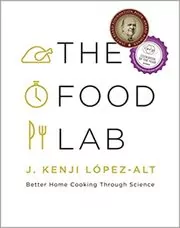
For curious cooks who want experiments to explain their kitchen decisions. López-Alt connects technique with practical recipes more directly than a science reference, though the long explanations and substantial size make this a book to study.
What it's about
This big, practical cookbook explains why classic techniques work, then turns that science into better home cooking. From steaks and roast chicken to potatoes and sauces, López-Alt tests kitchen myths so readers can get more reliable results.
Also recommended by
1 person Seth Godin recommended this book
Seth Godin
"Genius." - Seth Godin
Seth Godin's recommendation of this book

How to Cook Everything: Simple Recipes for Great Food
How to Cook Everything, Book 1
For beginners who want one broad collection for everyday meals. Bittman's straightforward methods and variations make adapting a recipe approachable, though the book's breadth provides less regional depth than the cuisine-specific volumes here.
What it's about
The flagship book of the series is a massive home-cooking reference packed with foundational recipes, variations, and technique. It is designed to teach confidence as much as dinner.

For home cooks who want everyday meals connected with the pleasure of feeding people. Lawson's conversational guidance makes menu planning feel personal, though the substantial prose and limited visual instruction may slow a hurried recipe search.
What it's about
Lawson combines recipes with practical reflections on shopping, planning meals and enjoying food. Her first cookbook treats home cooking as part of everyday life, offering flexible guidance for feeding yourself and others without turning the kitchen into a performance.

For home cooks who want a foundation in seasonal, ingredient-led cooking. Waters connects shopping and simple methods more closely than the technical science books, though the approach assumes access to good produce and time to prepare it.
What it's about
Alice Waters teaches an approach to home cooking built around seasonal ingredients and simple techniques. Lessons on stocking a kitchen, choosing produce, and mastering fundamental methods accompany recipes that emphasize flavor, balance, and making the most of local food.

For cooks who want deeper answers about ingredients and their behavior. McGee offers a broader scientific reference than the recipe-led books here, though its dense explanations work better for consultation than for choosing tonight's dinner.
What it's about
Harold McGee explains the science behind ingredients and their transformation in the kitchen. Combining technical explanations with food history, he explores production, preparation methods, flavors, and the processes that shape what people cook and eat.
Also recommended by
3 people Donald Knuth recommended this book
Donald Knuth
"Applied biochemistry in the kitchen." - Donald Knuth
Donald Knuth's recommendation of this book - Samin Nosrat recommended this book
Samin Nosrat
"This explains everything. Literally. I am so grateful to [the author] for his tirelessness, his patience, and his commitment to answering the whys of the kitchen." - Samin Nosrat
Samin Nosrat's recommendation of this book  Chris Young recommended this book
Chris Young
"My career starts with [this book] in many ways. There wouldn’t be any of this modern cooking movement without [this book], I don’t think." - Chris Young
Chris Young's recommendation of this book

For cooks drawn to Spanish and North African flavors who want a restaurant's perspective. The focused repertoire offers more regional depth than a general manual, though some preparations and ingredients need extra shopping and time.
What it's about
Sam and Sam Clark share recipes from their London restaurant inspired by Spain, North Africa, and the eastern Mediterranean. The collection explores spices, sauces, stews, and other dishes while preserving the culinary traditions that shaped Moro’s food.
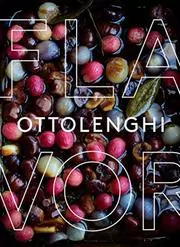
For confident cooks who want vegetables to become the center of a meal. Its attention to process and pairings offers more experimentation than a basic vegetarian collection, though long ingredient lists can complicate weeknight cooking.
What it's about
Written with Ixta Belfrage, this book looks at how flavor works, through process, pairing, and produce. The recipes are plant-led, bold, and clever, with plenty of sauces, condiments, and techniques that make vegetables feel exciting.
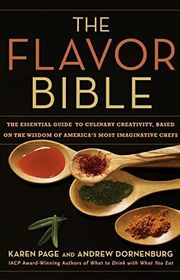
The Flavor Bible
For cooks comfortable with basic technique who want to improvise combinations. Its ingredient-by-ingredient pairings make creative planning quicker than searching recipes, though it gives neither measurements nor a complete method for turning each pairing into dinner.
What it's about
Karen Page and Andrew Dornenburg organize ingredients alongside compatible flavors, informed by interviews with chefs. The book combines pairing lists, comments, and culinary examples to help cooks develop dishes around available ingredients rather than follow fixed recipes.

For cooks who value Italian dishes built around carefully chosen ingredients. The restaurant's anniversary collection combines recipes with its history, though the storytelling and reliance on ingredient quality make it less practical as a beginner's reference.
What it's about
Ruth Rogers and the River Cafe team celebrate thirty years of the restaurant through Italian recipes, photographs, and memories. Updated favorites and newer dishes cover a full meal, accompanied by cooking advice, archival material, and accounts of the restaurant’s beginnings.
Sources
- 1
35 Of The Best Cookbooks Of All Time
vogue.co.uk
- 2
The 15 best cookbooks, chosen by chefs
bbcgoodfood.com
- 3
The Best Cookbooks of All Time for Classic Recipes
gayot.com
- 4
100 Best Cooking Books of All Time (Updated for 2026)
shortform.com
- 5
Best Cookbooks Ever (551 books)
goodreads.com
- 6
Pick three cookbooks for life. Which and why?
reddit.com
- 7
Salt, Fat, Acid, Heat vs. The Food Lab, which one should I get?
reddit.com
- 8
The 37 best cook books to buy in 2023, according to foodies
womanandhome.com




Edited by
Software engineer whose passion for tracking book recommendations from podcasts inspired the creation of MRB.
Lead investor at 3one4 Capital whose startup expertise and love for books helped shape MRB and its growth.
Comments
Spotted a missing book, a wrong order or a mistake? Tell us and we'll fix this page.
We're a reading guide, not the author or publisher, so we can't send books or pass on messages.