
16 Best Canning Books
The best canning books, ranked by how many expert sources recommend each one, with notes to help beginners and experienced cooks choose where to start.
Our take
Canning books help turn seasonal produce into pantry staples, but they vary in purpose. Some teach equipment and processing methods, while others concentrate on jams, pickles, or recipes that use the finished jars. A reliable starting reference matters more than an appealing photograph. Choose a current edition and follow tested instructions for the food, jar size, and preserving method you use.
For a compact introduction, try Ball Blue Book Guide to Preserving. Ball Canning Back to Basics concentrates on water-bath projects with step-by-step photographs, while Ball Complete Book of Home Preserving offers a larger recipe library. Small kitchens and modest harvests suit Food in Jars or The Complete Book of Small-Batch Preserving. Preserving with Pomona's Pectin serves a narrower interest in reduced-sugar fruit preserves, and Not Your Mama's Canning Book helps connect pantry projects with meals. Start with the method you need, then expand your recipe collection as your confidence grows.
16 books · 11 sources · Last updated
As an Amazon Associate, we earn from qualifying purchases (at no extra cost to you).
How to choose from this list
Skip to the full rankingIf you're new to canning: Ball Blue Book Guide to Preserving → Ball Complete Book of Home Preserving
If you want photographed water-bath lessons: Ball Canning Back to Basics
If you have small quantities of produce: Food in Jars → The Complete Book of Small-Batch Preserving
If you want reduced-sugar fruit preserves: Preserving with Pomona's Pectin
If you want meals that use your preserves: Not Your Mama's Canning Book
If you want several preserving techniques: Batch
The 16 books, ranked
Ranked by how many expert sources name each book. Ties go to the book more people recommend.

Ball Complete Book of Home Preserving
For home canners who want a reference they can keep returning to. The broad recipe collection supports more pantry projects than a compact starter guide, though its size makes it less convenient for a quick introduction.
What it's about
This Ball reference combines recipes for jams, jellies, pickles, chutneys, relishes, salsas, and savory sauces with directions for home preservation. Equipment lists and advice for beginners and experienced cooks accompany the canning and preserving methods.

Ball Blue Book Guide to Preserving
For beginners who want a compact foundation before buying a larger cookbook. It covers several preserving methods in a practical reference format, though the recipe range is smaller than Ball Complete Book of Home Preserving.
What it's about
Ball's preserving reference introduces home food preservation through recipes and practical guidance for canning, pickling, freezing, and drying. Instructions and kitchen tips help readers organize preserving projects and turn seasonal ingredients into pantry foods.

The All New Ball Book Of Canning And Preserving
Over 350 of the Best Canned, Jammed, Pickled, and Preserved Recipes
For confident cooks who want to connect preserving with meals. Its range extends beyond canning into other techniques, giving it more culinary variety than a basic manual, though not every project produces a shelf-stable jar.
What it's about
Ball's test kitchen organizes preserving recipes by technique, including water-bath and pressure canning, fermenting, freezing, dehydrating, and smoking. Photographs and instructions accompany the projects, with additional recipes showing how to use preserved ingredients in meals.
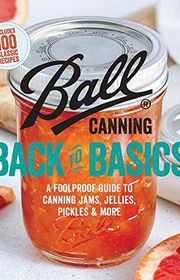
Ball Canning Back to Basics: A Foolproof Guide to Canning Jams, Jellies, Pickles, and More
For first-time canners who want photographs of the steps rather than a huge recipe collection. Its water-bath focus provides a clear starting point, though readers wanting to preserve low-acid foods will need pressure-canning instruction elsewhere.
What it's about
This introductory cookbook explains water-bath canning through equipment advice, food-safety guidance, and photographed tutorials. Recipes cover jams, jellies, pickles, sauces, and other preserves, giving beginners a sequence of practical projects to follow in their home kitchen.

Preserving with Pomona's Pectin
For jam makers who want less sweetness without guessing how to replace sugar. The recipes center on a particular pectin system, making this more specialized than the general books, though that also means buying the specified product.
What it's about
Allison Carroll Duffy explains how to make preserves with Pomona's Pectin while reducing or eliminating added sugar. Recipes cover jams, jellies, conserves, marmalades, and pie fillings, including variations that use alternative sweeteners.

Foolproof Preserving
A Guide to Small Batch Jams, Jellies, Pickles, Condiments & More
For beginners who like understanding why a recipe works. Troubleshooting and explanations make this especially useful when a jam or pickle disappoints, though the small-batch condiment focus offers less breadth than a general home-canning reference.
What it's about
America's Test Kitchen introduces small-batch preserving with recipes for jams, jellies, pickles, chutneys, fruit butters, and condiments. Tutorials explain equipment, food preservation science, and common problems, connecting the methods with individual kitchen projects.

For cooks whose preserved jars tend to linger unopened. Pairing preserves with dishes gives it a stronger emphasis on using the pantry than most manuals here, though it is less useful as a concise technical reference.
What it's about
Rebecca Lindamood pairs basic canning instructions with savory and sweet recipes, alternative flavor combinations, and dishes made from the finished preserves. Her approach connects stocking the pantry with actually using its jars in everyday cooking.
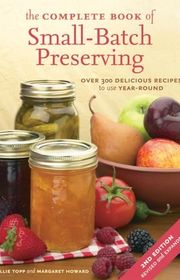
The Complete Book of Small-Batch Preserving: Over 300 Recipes to Use Year-Round
For cooks who want a broad preserving repertoire without making large quantities. The range of condiments and fruit preserves gives small-batch projects more variety, though readers should use a current edition and follow its processing instructions carefully.
What it's about
Ellie Topp and Margaret Howard collect small-batch recipes for jams, jellies, pickles, relishes, chutneys, and other preserves. Instructions explain preparation and storage, while serving suggestions connect the finished jars with cooking throughout the year.

For cooks working with a market basket rather than a garden glut. Seasonal small batches suit limited space and everyday quantities, though people processing a large harvest may find the modest yields less efficient.
What it's about
Marisa McClellan presents small-batch preserving recipes organized around the seasons, including jams, pickles, chutneys, syrups, and sauces. Practical guidance and stories from her own kitchen accompany projects suited to modest quantities of fresh ingredients.

For beginners drawn to traditional pantry cooking and straightforward instruction. Its Amish framing gives it a different household context from contemporary recipe collections, though tradition alone does not establish whether a particular canning procedure meets current guidance.
What it's about
Georgia Varozza introduces home canning through Amish traditions, equipment explanations, and recipes for preserving fruits, vegetables, meats, soups, and sauces. She describes both water bath and pressure canning, with practical instructions for beginners.

The Complete Guide to Pressure Canning
Everything You Need to Know to Can Meats, Vegetables, Meals in a Jar, and More
For readers specifically interested in pressure canning vegetables, meats, and meals. Its focused equipment explanations are more relevant than a jam-centered cookbook, though complete-meal recipes deserve particular attention to current tested processing guidance.
What it's about
Diane Devereaux introduces pressure canning through explanations of equipment, ingredients, and the preservation process. Recipes extend from vegetables and meats to complete meals in jars, with instructions intended to guide beginners through each stage.

The Homestead Canning Cookbook
For households planning a stocked pantry rather than an occasional batch of jam. Its homesteading perspective connects equipment and preserving routines, though cooks with limited storage or smaller ambitions may prefer a more focused small-batch book.
What it's about
Georgia Varozza combines instructions for home food preservation with more than 150 recipes. The guide covers canning equipment, water bath and pressure methods, and preparing pantry staples as part of a more self-sufficient household.

A Guide to Canning, Freezing, Curing & Smoking Meat, Fish & Game
For hunters and anglers comparing ways to preserve their catch. Covering freezing, curing, smoking, and canning gives it a narrower ingredient focus than the general cookbooks, though its canning guidance needs checking against current tested procedures.
What it's about
Wilbur Eastman surveys methods for preserving meat, fish, and game through canning, freezing, curing, and smoking. The guide combines discussions of equipment and storage with recipes for foods such as bacon, corned beef, sausage, and jerky.

For cooks interested in making several kinds of preserves from one ingredient. Organizing projects around produce encourages a coordinated kitchen routine, though the seven-method approach makes this a broader preserving cookbook rather than a dedicated canning manual.
What it's about
Joel MacCharles and Dana Harrison explore seven preserving techniques through recipes organized around individual ingredients. The cookbook connects pantry projects with meals, offering ways to combine batches, preserve small quantities, and use the results at the table.

Canning and Preserving for Beginners
The Essential Canning Recipes and Canning Supplies Guide
For beginners who want equipment explained alongside their first recipes. Its short, step-by-step format feels more approachable than a large reference, though readers should check canning procedures against current tested guidance before using unfamiliar recipes.
What it's about
Will Budiaman introduces home canning through equipment guidance, step-by-step methods, and recipes for seasonal produce. The book covers water-bath and pressure canning, with projects ranging from pickles and relishes to jams, jellies, and soups.

For cooks who want familiar jams, pickles, and sauces in manageable quantities. The combination of equipment checklists and small batches suits an ordinary kitchen, though it offers less variety for pressure-canning projects than broader references.
What it's about
Amy Bronee offers 101 recipes for preserving seasonal ingredients in small batches, including jams, jellies, pickles, chutneys, and sauces. Equipment checklists and introductory guidance accompany recipes designed for ordinary home kitchens and modest quantities.
Sources
- 1
The 11 Best Canning Cookbooks of 2026
thespruceeats.com
- 2
Best Canning and Preserving Books for 2026
anoffgridlife.com
- 3
The Best Books on Canning and Food Preserving
artfulhomemaking.com
- 4
Safe Canning Books to Add to Your Library
growagoodlife.com
- 5
Canning Books
goodreads.com
- 6
Book recommendations from Safe Canning Books list? Which one next? :)
reddit.com
- 7
Canning Book
reddit.com
- 8
Home canning recipe books from reputable sources
healthycanning.com
- 9
The best canning books
lidandlarder.com
- 10
UW Extension Approved Sources
uwyoextension.org
- 11
15 Best Books On Home Canning
fullhomeliving.com




Edited by
Software engineer whose passion for tracking book recommendations from podcasts inspired the creation of MRB.
Lead investor at 3one4 Capital whose startup expertise and love for books helped shape MRB and its growth.
Comments
Spotted a missing book, a wrong order or a mistake? Tell us and we'll fix this page.
We're a reading guide, not the author or publisher, so we can't send books or pass on messages.