
9 Best Bonsai Books
The best bonsai books, ranked by how many expert sources recommend each one, with notes on beginner care, tree development, design, and where to start.
Our take
Bonsai combines keeping a tree healthy with shaping how it grows over many years. A useful first book explains care clearly before introducing pruning, wiring, and design. A larger reference becomes more valuable as you work with different species or plan a tree's development. Advice also needs to fit your climate, growing space, and the particular tree in front of you.
The Little Book of Bonsai offers a clear visual introduction, while 101 Essential Tips: Bonsai provides a compact overview. The Complete Book of Bonsai gives readers a broader reference to return to as questions arise. For the next stage, The Essential Bonsai Book explores techniques for developing trees, and Bonsai Techniques I introduces a classic approach to training and design. Bonsai Heresy invites readers to reconsider familiar assumptions about care. Start with The Little Book of Bonsai, then choose a fuller reference or development guide that matches your experience.
9 books · 8 sources · Last updated
As an Amazon Associate, we earn from qualifying purchases (at no extra cost to you).
How to choose from this list
Skip to the full rankingIf you're caring for your first tree: The Little Book of Bonsai → The Essential Bonsai Book
If you want a compact introduction: 101 Essential Tips
If you want a broad reference: The Complete Book of Bonsai
If you're studying training and design: Bonsai Techniques I
If you want to question familiar advice: Bonsai Heresy
The 9 books, ranked
Ranked by how many expert sources name each book. Ties go to the book more people recommend.
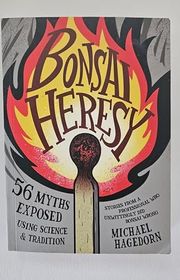
Bonsai Heresy: 56 Myths Exposed Using Science and Tradition
For growers who want to understand the reasoning behind care advice, Hagedorn examines commonly repeated claims through science and experience. Its questioning approach complements a practical manual, though it is less suitable as a complete first course.
What it's about
Michael Hagedorn examines beliefs commonly repeated in bonsai practice, drawing on horticultural science and professional experience. Short discussions and stories explore why familiar advice can mislead and encourage growers to examine how their methods affect tree health.
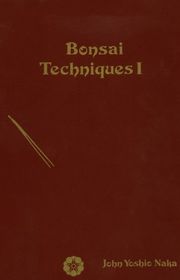
Bonsai Techniques I
For readers ready to study training and design beyond a brief introduction, Naka offers detailed drawings and a sustained teaching approach. Its place in bonsai tradition makes it valuable, though older horticultural advice needs checking against current local practice.
What it's about
John Yoshio Naka explains bonsai cultivation and training through diagrams, photographs, and detailed instruction. The book explores tree structure, shaping, pruning, and composition, connecting practical work with the visual principles used to develop miniature trees.

For readers who want a substantial illustrated reference, Tomlinson combines cultivation and styling with a wide range of species. Its breadth rewards repeated consultation, though older care recommendations need comparing with current advice for your climate.
What it's about
Harry Tomlinson combines bonsai’s artistic principles with practical guidance on growing and maintaining miniature trees. The illustrated guide covers propagation, planting styles, shaping, tools, and routine care, including the prevention and treatment of pests and diseases.

For first tree owners who learn best from clear photographs, Dupuich makes daily care and basic techniques approachable. Its focused introduction is easier to absorb than a large manual, though experienced growers will want more detailed development guidance.
What it's about
Jonas Dupuich offers an illustrated introduction to choosing and caring for bonsai. Step-by-step photographs explain watering, pruning, wiring, repotting, and other essentials, while guidance on species, containers, and display addresses both indoor and outdoor growing situations.

For beginners wanting growing advice and design principles in the same volume, Chan offers a broad, illustrated introduction. Its balance helps connect appearance with routine care, though detailed decisions still require knowledge of your tree and growing conditions.
What it's about
Peter Chan explains how to choose, shape, and maintain bonsai trees, linking everyday horticultural care with the art of miniature-tree design. Color photographs accompany guidance on tools, supplies, styles, and the effects of different growing containers.

For beginners who prefer concise explanations and visual reminders, this breaks bonsai care into small, approachable topics. The compact format makes browsing easy, though it cannot supply the depth needed for complicated styling decisions or unusual species.
What it's about
Harry Tomlinson introduces bonsai through concise, illustrated advice on cultivation, care, and design. The guide explains choosing suitable trees and containers, shaping plants, and maintaining miniature trees, breaking the craft into accessible steps for gardeners building their skills.

For readers who want a short introduction before committing to a larger reference, Bonsai Empire organizes basic techniques and terminology accessibly. The illustrations clarify unfamiliar tasks, though the introductory scope leaves advanced development and species specific detail for later.
What it's about
Bonsai Empire introduces the basic techniques and tools used to grow and maintain miniature trees. Illustrated lessons explain care, pruning, and styling, while species guides and background on bonsai history help beginners understand the practice and choose suitable trees.
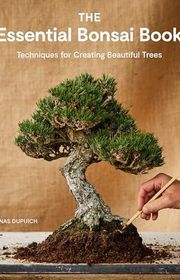
The Essential Bonsai Book: Techniques for Creating Beautiful Trees
For readers who have learned basic care and want to develop a tree's form, Dupuich provides visual instruction and worked examples. Its emphasis on technique offers a useful next step, though application depends on species, condition, and season.
What it's about
Jonas Dupuich explains techniques for developing and refining bonsai, from selecting material to shaping trees over time. Photographs and case studies show how cultivation, pruning, wiring, and design choices work together in the creation of bonsai.

The Bonsai Beginner's Bible
For beginners who want a compact guide to consult while caring for a tree, Chan pairs basic techniques with a species directory. Its handy format supports quick reference, though complex problems need fuller explanations and local growing knowledge.
What it's about
Peter Chan introduces bonsai selection, shaping, and maintenance through a compact illustrated reference. Guidance on wiring, watering, feeding, repotting, containers, and common problems accompanies a directory of popular species, helping readers match individual trees with their care requirements.
Sources
- 1
Recommended Bonsai books
bonsaiempire.com
- 2
Bonsai Books
goodreads.com
- 3
Bonsai literature
reddit.com
- 4
Triangle Bonsai Society Library
trianglebonsai.com
- 5
Best Bonsai Books: 6 Must-Reads, From Your First Tree to Japanese Classics
aribonsai.com
- 6
Beginner Recommendations
sandiegobonsaiclub.com
- 7
Best Bonsai Books: Top 5 Picks to Learn Bonsai Faster
blog.bonsaiheirloom.com
- 8
How to Grow Bonsai: The Ultimate Reading List
houseplantresourcecenter.com








Edited by
Software engineer whose passion for tracking book recommendations from podcasts inspired the creation of MRB.
Lead investor at 3one4 Capital whose startup expertise and love for books helped shape MRB and its growth.
Comments
Spotted a missing book, a wrong order or a mistake? Tell us and we'll fix this page.
We're a reading guide, not the author or publisher, so we can't send books or pass on messages.