
23 Best Aspergers Books
The best Asperger's and autism books, ranked by how many expert sources recommend each one, with notes on memoirs, adult guides, families and fiction.
Our take
Many books here use the older term Asperger's in their titles, while newer writing discusses the experiences within the broader context of autism. The selection includes adult memoirs, guides for families and professionals, relationship books, history and fiction. Those forms offer different kinds of understanding: an individual life can reveal experiences that a general guide misses, but no single account represents the whole spectrum.
Look Me in the Eye, Asperger's on the Inside and Pretending to be Normal approach later understanding through personal experience. The Complete Guide to Asperger's Syndrome takes a broader clinical perspective, while Uniquely Human emphasizes interpreting behavior in context. Unmasking Autism explores identity and the pressure to hide differences, and NeuroTribes provides historical background. The novels offer imagined perspectives rather than clinical explanations. Start with a memoir for lived experience, then compare it with a guide that matches your questions and a more recent perspective on language and support.
23 books · 9 sources · Last updated
As an Amazon Associate, we earn from qualifying purchases (at no extra cost to you).
How to choose from this list
Skip to the full rankingIf you want a personal starting point: Look Me in the Eye → Asperger's on the Inside
If you're exploring autism in adulthood: I Think I Might Be Autistic → Unmasking Autism
If you want a broader framework: The Complete Guide to Asperger's Syndrome → Uniquely Human
If you want women's accounts: Pretending to be Normal → Aspergirls
If you want history and changing ideas: NeuroTribes
If you prefer fiction: The Curious Incident of the Dog in the Night-Time → House Rules
The 23 books, ranked
Ranked by how many expert sources name each book. Ties go to the book more people recommend.

For readers who want a late-diagnosed adult's account of work, family and self-understanding. Robison's varied experiences give the memoir unusual range, though his particular strengths and life circumstances represent one person rather than a typical autistic trajectory.
What it's about
John Elder Robison recounts growing up feeling different before receiving an Asperger’s diagnosis at forty. Stories of family turmoil, engineering work, designing stage effects for KISS, and building his own family show how that diagnosis reshaped his understanding of his life.

The Complete Guide to Asperger's Syndrome
For readers seeking a broad clinical overview across childhood and adulthood. Attwood connects many everyday topics with examples and support strategies, though the terminology and framework reflect the book's period and need comparison with more recent autistic perspectives.
What it's about
Tony Attwood examines Asperger’s syndrome across childhood and adulthood using case studies and personal accounts. The guide covers diagnosis, friendships, bullying, emotions, language, sensory experiences, coordination, relationships, and careers, bringing together clinical explanations and practical approaches to support.

The Curious Incident of the Dog in the Night-Time
For readers who want fiction built around a distinctive young narrator and a family mystery. The voice and formal devices create a memorable experience, though the character should not be treated as a representative guide to autistic people.
What it's about
Fifteen-year-old Christopher Boone finds his neighbour's dog dead and decides to solve the case like a detective. The search pushes him beyond his carefully ordered world and into painful truths about his family.
Also recommended by
4 people Donald Glover recommended this book
Donald Glover
"Great." - Donald Glover
Donald Glover's recommendation of this book  Shah Rukh Khan recommended this book
Shah Rukh Khan
Shah Rukh Khan mentioned this book in an interview.
Shah Rukh Khan's recommendation of this book  Ev Williams recommended this book
Ev Williams
On the "books read" section of Ev Williams' GoodReads profile.
Ev Williams's recommendation of this book  Melinda Gates recommended this book
Melinda Gates
Melinda Gates recommended this book on Likewise.com.
Melinda Gates's recommendation of this book

Asperger's From the Inside Out
A Supportive and Practical Guide for Anyone with Asperger's Syndrome
For adults who want practical topics discussed from an autistic author's viewpoint. Carley combines lived experience with questions about disclosure, work and relationships, though the terminology and social context reflect an earlier period of adult-autism writing.
What it's about
Diagnosed with Asperger syndrome at thirty-six, Michael John Carley combines personal experience with a practical guide for adults. He discusses social interests, disclosure, family life, and work, exploring ways to understand a diagnosis and navigate everyday relationships.

For readers who want historical context for changing ideas about autism and neurodiversity. Silberman connects research, institutions and personal lives across a long narrative, though it is a historical interpretation rather than a current clinical handbook.
What it's about
Steve Silberman traces the history of autism, its diagnosis, and the treatment of autistic people. Combining scientific history with personal stories, he argues for understanding neurological differences and creating conditions for fuller participation in society.

For readers interested in an account centered on communication and sensory experience. The question-and-answer format offers short, focused reflections, though the perspective belongs to one young person and cannot explain the full range of autistic lives.
What it's about
Naoki Higashida describes his experiences of autism through answers to questions about behavior and daily life. Written when he was thirteen, the book considers language, emotions, sensory experience, and the difficulty of making oneself understood.

For readers interested in autistic women's experiences of work, relationships and concealing differences. Simone draws together multiple voices beyond a single memoir, though the broad gender framing and older terminology cannot capture every woman's experience.
What it's about
Rudy Simone draws on her experience and the accounts of more than thirty-five women to explore life with Asperger syndrome. Topics include relationships, careers, routines, misunderstandings, and the difficulties of concealing traits to meet other people's expectations.

For teenagers and families who want an adolescent's voice rather than an adult clinical explanation. Jackson's direct approach makes everyday concerns recognizable, though his early-2000s context and individual experiences may differ from those of today's readers.
What it's about
Writing as a thirteen-year-old with Asperger syndrome, Luke Jackson offers a personal account of adolescence. He reflects on feeling different, emotional experiences, and changes in daily life, addressing concerns shared by young readers and their families.

Ten Things Every Child with Autism Wishes You Knew
For parents and educators who want to reconsider the assumptions they bring to supporting a child. The ten-part structure is easy to revisit, though its child-voice framing is the author's explanatory device rather than an autistic child's memoir.
What it's about
Ellen Notbohm explores ten aspects of autistic children’s experiences through chapters introduced in a child’s voice. The guide examines sensory environments, communication, and social understanding while encouraging parents and professionals to consider how their own expectations shape the support they provide.

For readers curious about visual thinking, sensory experience and a distinctive working life. Grandin connects autobiography with ideas about autism, though her own cognitive style and the book's older scientific discussions should not be generalized to everyone.
What it's about
Temple Grandin describes her visual way of thinking and how it shapes her experience of autism. Combining memoir with scientific discussion, she explores sensory experiences, social understanding, and her work designing livestock-handling systems, offering an account of how she perceives the world.

For readers who want support framed around understanding a person's experiences and needs. Prizant's clinical stories emphasize trust and context rather than isolated behaviors, though the narrative approach offers less systematic research detail than an academic text.
What it's about
Barry Prizant explores autism by asking what lies behind a person’s behavior and experiences. Stories from his clinical work emphasize listening, trust, emotional understanding, and individual interests, presenting an approach to support grounded in respect for autistic people.

All Cats Have Asperger Syndrome
For families who want a brief, illustrated way to begin talking about differences. The cat photographs make the format approachable, though the analogies simplify human experience and this edition uses older terminology found in its title.
What it's about
Kathy Hoopmann uses photographs of cats to illustrate experiences associated with Asperger syndrome. Comparisons involving sensitivity to sound and touch, food preferences, and distinctive behavior introduce differences in a humorous format intended for children and their families.

Asperger's on the Inside
For readers who want a late-diagnosed woman's account of the inner experiences others may miss. Vines gives personal interpretation more room than a clinical overview does, though the memoir's perspective is individual rather than a general explanation of autism.
What it's about
Michelle Vines recounts growing up and living as an adult without knowing she was autistic. Her memoir explores her inner experiences, the process of receiving a later diagnosis, and the changes in understanding that followed.
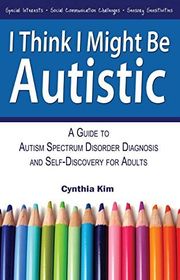
I Think I Might Be Autistic
For adults beginning to explore whether autism might help explain their experiences. Kim's concise personal guide addresses questions about assessment, disclosure and emotions, though its practical details reflect the author's setting and do not provide a diagnosis.
What it's about
Cynthia Kim draws on receiving an autism diagnosis in her forties to discuss adult self-discovery. The guide considers recognizing traits, deciding whether to seek assessment, preparing for the process and navigating the emotional and social questions that may follow.

For readers interested in a woman's account of growing up without an explanation for her differences. Willey's reflections connect childhood memories with adult understanding, though the memoir's older language and individual coping strategies need reading in context.
What it's about
Liane Holliday Willey recounts growing up without an autism diagnosis and learning to understand her experiences as an adult. This expanded memoir revisits her earlier account, combining personal recollections with reflections on coping and changes over fifteen years.

The Journal of Best Practices
A Memoir of Marriage, Asperger Syndrome, and One Man's Quest to Be a Better Husband
For readers interested in marriage through one late-diagnosed man's efforts to change familiar patterns. Finch's notes give the memoir a concrete personal structure, though his relationship and chosen strategies cannot stand for every mixed-neurotype couple.
What it's about
After an Asperger syndrome diagnosis at thirty, David Finch begins recording lessons in an effort to improve his marriage to Kristen. His memoir follows the notes, maxims, and self-examination he uses to reconsider familiar habits and communication.
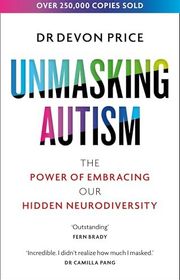
Unmasking Autism
For adults exploring the effort of hiding autistic traits and the possibilities of greater self-acceptance. Price foregrounds overlooked experiences and social expectations, though the perspective and exercises are not a substitute for an individualized clinical assessment.
What it's about
Devon Price examines masking, the ways autistic people may conceal traits to meet social expectations. Personal accounts, research discussion and reflective exercises explore identity, overlooked experiences and the effects of adapting to environments that do not readily accommodate neurological differences.

For parents and professionals interested in an earlier introductory clinical perspective. Attwood makes identification and everyday difficulties accessible through examples, though this older guide is less comprehensive than his later work and needs context from current research.
What it's about
Tony Attwood introduces Asperger’s syndrome through clinical experience, case studies, and accounts from people with the diagnosis. Chapters discuss identification, language, social interaction, and coordination, with strategies and answers to questions commonly raised by parents and professionals.

For readers interested in the personal experience of synesthesia, language and unusual numerical abilities. Tammet connects those abilities with relationships and daily routines, though the exceptional profile should not be taken as typical of autistic people.
What it's about
Daniel Tammet describes growing up autistic and experiencing numbers as colors, shapes, and textures. His memoir explores extraordinary abilities in mathematics and language alongside the routines, relationships, and personal challenges that form his everyday life.

For readers who enjoy a family-centered legal mystery involving misunderstandings about behavior. Picoult uses multiple perspectives to build tension, though the dramatic portrayal is fiction and should not substitute for autistic accounts or reliable clinical information.
What it's about
Jacob Hunt, a teenager with Asperger's syndrome and an obsession with forensic science, is accused of murdering his tutor. His behaviors, often misread by police as guilt, force his mother to fight a legal system that doesn't understand him.

The Asperkid's (Secret) Book of Social Rules
The Handbook of (Not-So-Obvious) Neurotypical Social Guidelines for Autistic Teens
For autistic teenagers who want unwritten social conventions explained directly. Cook's conversational examples make ambiguous situations easier to discuss, though the focus on neurotypical expectations benefits from balancing those conventions with personal boundaries and self-advocacy.
What it's about
Jennifer Cook explains unwritten social expectations for autistic teenagers, using conversational examples, cartoons, and comics. This anniversary edition discusses friendships, dating, and everyday exchanges, helping readers interpret situations that other people may leave unexplained.

The Other Half of Asperger Syndrome
A Guide to Living in an Intimate Relationship with a Partner who is on the Autism Spectrum
For readers exploring communication and intimacy within a relationship involving different neurotypes. Aston concentrates on recurring couple concerns more than general autism books do, though the older framing benefits from comparison with accounts written by autistic partners.
What it's about
Maxine Aston examines intimate relationships in which one partner is on the autism spectrum. Discussions of communication, sensory differences, social situations, and intimacy accompany consideration of diagnosis, pregnancy, and same-sex relationships in this revised guide.

Very Late Diagnosis of Asperger Syndrome (Autism Spectrum Disorder)
How Seeking a Diagnosis in Adulthood Can Change Your Life
For adults considering what a much later diagnosis might mean for their lives. Wylie's personal perspective gives emotional and practical questions a clear focus, though descriptions of assessment and available support need checking against current local arrangements.
What it's about
Philip Wylie draws on seeking an Asperger syndrome diagnosis at fifty-one to examine diagnosis in adulthood. Personal experience and discussion of the assessment process explore how recognizing autistic traits can affect self-understanding, relationships, and access to support.
Sources
- 1
Recommended Books
counselingandlifecoaching.com
- 2
100 Best Aspergers Books of All Time (Updated for 2026)
shortform.com
- 3
Aspergers Books
goodreads.com
- 4
Recommended Reading
autism-united.org
- 5
Books about Asperger’s
reddit.com
- 6
Book Suggestions
moodcafe.co.uk
- 7
Books on Autism
fivebooks.com
- 8
21 Best Books on Autism
choosingtherapy.com
- 9
A personal autism reading list: The books that most helped me
reddit.com






Edited by
Software engineer whose passion for tracking book recommendations from podcasts inspired the creation of MRB.
Lead investor at 3one4 Capital whose startup expertise and love for books helped shape MRB and its growth.
Comments
Spotted a missing book, a wrong order or a mistake? Tell us and we'll fix this page.
We're a reading guide, not the author or publisher, so we can't send books or pass on messages.