
20 Best Fitness Books
The best fitness books, ranked by how many expert sources recommend each one, with notes for beginners, strength trainees, runners, and curious readers.
Our take
Fitness books can help you understand movement, compare training approaches, or find a reason to keep showing up. These choices span barbell instruction, bodyweight programs, running, anatomy, and the science of physical performance. They differ most in purpose: an exercise reference, a training system, and a reflective memoir answer very different questions.
Starting Strength concentrates on basic barbell technique, while Practical Programming for Strength Training looks at organizing progress over time. You Are Your Own Gym and Overcoming Gravity offer equipment-light approaches at different levels of detail. For running, Daniels' Running Formula provides a training framework, while Born to Run and What I Talk About When I Talk About Running emphasize experience and perspective. Strength Training Anatomy works well as a visual companion rather than a complete plan.
Start with the kind of activity you want to understand, then choose between instruction, explanation, and motivation.
20 books · 8 sources · Last updated
As an Amazon Associate, we earn from qualifying purchases (at no extra cost to you).
How to choose from this list
Skip to the full rankingIf you want to learn basic barbell technique: Starting Strength → Strength Training Anatomy
If you want to understand strength programming: Practical Programming for Strength Training → Science and Practice of Strength Training
If you want bodyweight training: You Are Your Own Gym → Overcoming Gravity
If you want a structured approach to running: Daniels' Running Formula → Endure
If you want a reflective running companion: Born to Run → What I Talk About When I Talk About Running
If you want help with consistency: The Little Black Book of Workout Motivation
The 20 books, ranked
Ranked by how many expert sources name each book. Ties go to the book more people recommend.

Choose this for detailed instruction in basic barbell lifts and a clearly defined beginner progression. Its technical focus is more concentrated than general fitness guides, though its prescriptive approach leaves less room for alternative training priorities.
What it's about
Mark Rippetoe explains the mechanics and execution of basic barbell lifts, including squats, presses, deadlifts, and power cleans. Anatomical analysis, illustrations, and coaching guidance accompany a beginner training program organized around progressive increases in strength and lifting proficiency.
Also recommended by
2 people Mr. Money Mustache recommended this book
Mr. Money Mustache
"A meat’n’potatoes summary of what everyone should do to make the biggest improvements in fitness and strength in minimal time." - MMM
Mr. Money Mustache's recommendation of this book  Sahil Lavingia recommended this book
Sahil Lavingia
Sahil Lavingia recommended this book on Notion.
Sahil Lavingia's recommendation of this book

For men who want lifting, food planning, and routine organization gathered into one system. Its structure can make the components easier to follow, though physique-focused goals and confident marketing narrow its appeal as a general fitness guide.
What it's about
Michael Matthews presents a diet and exercise approach for men seeking muscle, strength, and fat loss. The book discusses resistance training, meal planning, recovery, supplements, and common fitness beliefs, alongside guidance for organizing a training routine.

Strength Training Anatomy
Choose this as a visual reference for understanding which anatomical structures are involved in strength exercises. The drawings complement written training plans particularly well, though the book is not a complete program or a substitute for individual technique feedback.
What it's about
Frederic Delavier illustrates the muscles and surrounding structures involved in strength exercises. Explanations and drawings show how movement and setup affect muscle recruitment, with coverage of bones, ligaments, tendons, connective tissue, and stretching.

The 4-Hour Body
An Uncommon Guide to Rapid Fat-Loss, Incredible Sex, and Becoming Superhuman
For readers curious about an experiment-driven approach to changing habits and physical performance. Its breadth and personal testing make it engaging, though the anecdotes and ambitious promises should not be treated as established evidence or individualized advice.
What it's about
Ferriss gathers personal experiments and advice on diet, exercise, sleep, and sexual performance. The book investigates how relatively small changes might affect physical outcomes, presenting routines and unconventional approaches drawn from athletes, specialists, and his own testing.
Also recommended by
6 people Hugh Jackman recommended this book
Hugh Jackman
"Another thing I learned from [this book] when I was getting ready for Wolverine, the cold bath. So I have a cold shower every morning." - Hugh Jackman
Hugh Jackman's recommendation of this book  Jon Favreau recommended this book
Jon Favreau
"I’ve given [this book] to people." - Jon Favreau
Jon Favreau's recommendation of this book - Mr. Money Mustache recommended this book
Mr. Money Mustache
"Has allowed me to gain or maintain muscle with only two short workouts per week." - MMM
Mr. Money Mustache's recommendation of this book  Caterina Fake recommended this book
Caterina Fake
Caterina Fake mentioned this book on "The Tim Ferriss Show" podcast.
Caterina Fake's recommendation of this book  Mark Hart recommended this book
Mark Hart
"Absolutely blew me away." - Mark Hart
Mark Hart's recommendation of this book  Mike Novogratz recommended this book
Mike Novogratz
"The testosterone chapter, and the orgasm chapter are required reading." - Mike Novogratz
Mike Novogratz's recommendation of this book

For women who want a single, organized approach to resistance training and food planning. Its explicit structure can help readers compare routines, though the physique-focused framing and promised outcomes should be read with individual variation in mind.
What it's about
Michael Matthews explains his approach to strength training and nutrition for women. The book addresses meal planning, resistance exercise, recovery, supplements, and common fitness misconceptions, providing a framework for pursuing muscle development and changes in body composition.

Born to Run
A Hidden Tribe, Superathletes, and the Greatest Race the World Has Never Seen
For readers who find a reported adventure more motivating than a schedule of workouts. Its characters and running culture provide narrative momentum, though the barefoot-running enthusiasm and dramatic anecdotes should be separated from individualized training guidance.
What it's about
Christopher McDougall travels to Mexico's Copper Canyons to investigate the Tarahumara's long-distance running traditions. His account brings together runners, training experiments and research on endurance as an unusual race between local athletes and visiting Americans takes shape.
Also recommended by
2 people Turia Pitt recommended this book
Turia Pitt
"If [people are] interested in running, I give them [this book]." - Turia Pitt
Turia Pitt's recommendation of this book - Sahil Lavingia recommended this book
Sahil Lavingia
Sahil Lavingia recommended this book on Notion.
Sahil Lavingia's recommendation of this book

Choose this if you already know the main barbell lifts and want a repeatable progression framework. Its simple organizing rules are the attraction, though it is a specific strength system rather than a comprehensive introduction to movement.
What it's about
Jim Wendler presents a strength-training system centered on squats, bench presses, deadlifts, and military presses. The guide explains progressive programming and supplements it with assistance exercises, full-body training, nutrition, and ways to incorporate conditioning.
Also recommended by
1 person Mark Bell recommended this book
Mark Bell
"Did a great job of presenting a condensed, simplified, but effective method for getting stronger." - Mark Bell
Mark Bell's recommendation of this book

Practical Programming for Strength Training
Choose this after learning the basic lifts if your main question is how to organize training over time. Its focus on progression complements technique manuals, though its strength-centered framework is narrower than a general fitness program.
What it's about
Mark Rippetoe examines how strength-training plans should change as athletes move from novice to intermediate and advanced levels. Explanations of adaptation, recovery, and training stress support programming models designed around differing rates of progress and accumulated experience.
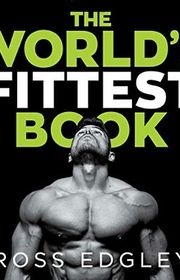
The World's Fittest Book
For readers who want an energetic survey of training approaches rather than a narrow strength specialization. Its mixture of personal challenges and practical material offers variety, though ambitious branding can blur the distinction between anecdotes and general principles.
What it's about
Edgley combines lessons from athletic challenges with discussions of workouts, nutrition, and physical preparation. The book draws on encounters with athletes and coaches to present a broad collection of approaches to training for different physical demands.

For readers who want exercise options with little equipment and a structured bodyweight approach. Its portability distinguishes it from the barbell manuals, though translating demonstrations into appropriate technique and difficulty still requires care and judgment.
What it's about
Mark Lauren and Joshua Clark adapt bodyweight training methods for workouts at home, outdoors, or while traveling. Exercise instruction, training plans, motivation, and nutrition guidance show how the body and ordinary surroundings can provide resistance without a gym.

For readers curious about how physiology, perception, and environment interact during endurance efforts. Its research-led reporting offers more explanation than a motivational memoir, though it explores contested questions rather than delivering a single ready-made training plan.
What it's about
Alex Hutchinson investigates the physical and psychological limits of endurance. Combining scientific research with accounts of athletes and adventurers, he explores fatigue and the brain's role in determining how far people believe their bodies can go.
Also recommended by
2 people Noah Kagan recommended this book
Noah Kagan
"He breaks down the myths and facts of endurance athletes. Focuses on the science and lesser-known facts." - Noah Kagan
Noah Kagan's recommendation of this book  Daniel Gross recommended this book
Daniel Gross
"If you like any form of endurance cardio, this book will be like crack candy for you." - Daniel Gross
Daniel Gross's recommendation of this book
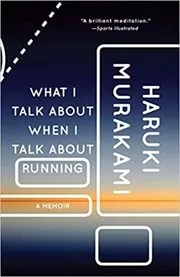
Choose this for a reflective companion to exercise rather than instruction in how to train. Its connection between running, routine, and creative work distinguishes it from athletic achievement memoirs, though the personal observations are not universal prescriptions.
What it's about
A memoir reflecting on Murakami's life as a writer and an athlete. He discusses how training for marathons shapes his discipline and creative process, offering a rare, personal glimpse into the mind of the typically private author.
Also recommended by
2 people Brian Koppelman recommended this book
Brian Koppelman
"The single best distillation of the kind of focus, commitment, and sense of mission it takes to become a great artist." - Brian Koppelman
Brian Koppelman's recommendation of this book  Jack Edwards recommended this book
Jack Edwards
"Will really resonate with anyone who loves running." - Jack Edwards
Jack Edwards's recommendation of this book

Becoming a Supple Leopard
The Ultimate Guide to Resolving Pain, Preventing Injury, and Optimizing Athletic Performance
For readers who want a detailed visual vocabulary for movement setup and mobility work. Its extensive demonstrations complement exercise manuals, though its broad pain and injury claims exceed what a general reference can establish for an individual.
What it's about
Kelly Starrett presents a system for understanding movement, mobility, and physical maintenance. Illustrated guidance covers body positioning, common strength exercises, and techniques for addressing restrictions, helping readers examine movement habits that affect athletic performance.
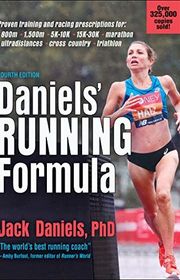
Daniels' Running Formula
Choose this if you want a structured running framework built around training intensities and race preparation. Its organization is more prescriptive than the running narratives here, though interpreting paces and adapting schedules requires an honest assessment of experience.
What it's about
Jack Daniels explains distance-running training through fitness-based pacing, different workout purposes, and progressive preparation. Tables and programs connect race performances with training intensities, covering events from middle-distance racing through the marathon.

For readers who want to design a strength routine around gymnastics and bodyweight skills. Its systematic treatment goes beyond a collection of exercises, though the density and progression choices make it demanding for a complete beginner.
What it's about
Steven Low explains how to build gymnastics and bodyweight strength routines around individual goals. Exercise progressions, physiology, programming, and recovery principles connect the mechanics of particular skills with the larger task of organizing training and monitoring progress.

Science and Practice of Strength Training
For coaches and experienced lifters who want a technical account of strength training principles. Its treatment of adaptation and programming offers depth beyond beginner routines, though terminology and analytical detail make it a substantial study commitment.
What it's about
Vladimir Zatsiorsky, William Kraemer, and Andrew Fry connect strength-training science with practical program design. This third edition examines intensity, timing, exercises, recovery, and athlete monitoring, emphasizing how approaches vary with individual needs, goals, and training circumstances.
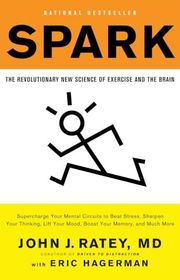
Spark
Choose this for a readable account of research linking exercise with brain function and mental health. Its cases make the topic accessible, though the older synthesis and broad therapeutic framing call for a more cautious reading than the title suggests.
What it's about
Ratey and Hagerman explore research and case histories concerning exercise, the brain, learning, and mood. The book connects accounts of physical activity with questions about stress and mental functioning rather than providing a conventional workout manual.

The Little Black Book of Workout Motivation
For readers whose main difficulty is maintaining a routine rather than choosing exercises. Its short reflections and exercises focus attention on goals and consistency, though the assertive self-help style will not suit everyone seeking a gentler approach.
What it's about
Matthews discusses goal setting, procrastination, discipline, and consistency in exercise. Short chapters and practical reflection exercises are intended to help readers examine their motivations and the habits that shape whether they continue working toward fitness goals.

For readers who want a broad bodybuilding reference with exercise instruction, photographs, and a competitive perspective. Its range makes it useful for browsing, though older recommendations and a physique-centered culture differ from contemporary general fitness guidance.
What it's about
Schwarzenegger and Bill Dobbins assemble an illustrated reference covering bodybuilding exercises, training programs, nutrition, and competitive preparation. Spanning introductory and advanced practice, the book combines technical instruction with bodybuilding history and Schwarzenegger's reflections on motivation and discipline.

A Guide to Flexible Dieting
For readers who want to examine the behavioral side of maintaining an eating plan. Its emphasis on flexibility contrasts with rigid diet rules, though it remains one author's framework rather than a broad guide to fitness training.
What it's about
Lyle McDonald examines psychological and physiological reasons diets fail, comparing rigid and flexible approaches. He explains planned free meals, refeeds, diet breaks, and maintenance eating, with guidance for incorporating these strategies into a dieting plan.
Sources
- 1
Best Fitness Books
jamesclear.com
- 2
The 12 Best Fitness Books of All Time
legionathletics.com
- 3
Fitness Books
goodreads.com
- 4
100 Best Fitness Books of All Time
shortform.com
- 5
Seeking book recommendations for general weight lifting info. [More in post]
reddit.com
- 6
15 Best Fitness Books To Read This Year (2026)
origym.co.uk
- 7
Catch Up On These 20 Fitness Must-Reads While You’re Stuck At Home Daydreaming About The Gym
barbend.com
- 8
6 Of The Best Fitness Books That Can Seriously Change Your Life
bookriot.com






Edited by
Software engineer whose passion for tracking book recommendations from podcasts inspired the creation of MRB.
Lead investor at 3one4 Capital whose startup expertise and love for books helped shape MRB and its growth.
Comments
Did we miss something? Have feedback?
Help us improve this page by sharing your thoughts