
17 Best Beer Books
The best beer books, ranked by how many expert sources recommend each one, with notes for curious drinkers, homebrewers, cooks, and readers of beer history.
Our take
Beer books can help you recognize flavors, understand brewing traditions, make a first batch, or explore the communities that form around a drink. The right starting point depends on which of those interests brings you here. A style guide rewards tasting and comparison, while a brewing manual asks for more attention to ingredients, equipment, and process. Histories, memoirs, and cookbooks offer different ways in.
Tasting Beer develops the vocabulary of flavor, and The Complete Beer Course gives that learning a sequence of classes. The Beer Bible connects styles with brewing cultures, while The Oxford Companion to Beer works best as a reference to revisit. Homebrewers can start with How To Brew, then explore the smaller seasonal batches in Brooklyn Brew Shop's Beer Making Book. For food, choose The Brewmaster's Table for pairing or The Craft Beer Cookbook for recipes. Start with a general introduction unless you already have a specific project in mind.
17 books · 8 sources · Last updated
As an Amazon Associate, we earn from qualifying purchases (at no extra cost to you).
How to choose from this list
Skip to the full rankingIf you're new to beer: Beer School → The Complete Beer Course
If you want to understand flavor: Tasting Beer → The Beer Bible
If you want a reference to revisit: The Oxford Companion to Beer
If you want to brew at home: How To Brew → Brooklyn Brew Shop's Beer Making Book
If you want beer with food: The Brewmaster's Table → The Craft Beer Cookbook
If you want history and culture: The Comic Book Story of Beer → Untapped
The 17 books, ranked
Ranked by how many expert sources name each book. Ties go to the book more people recommend.

The Beer Bible
For readers wanting one broad guide to beer styles and the traditions behind them. Its combination of brewing context and cultural history makes it useful beyond tasting notes, though the breadth means a substantial reading commitment.
What it's about
Jeff Alworth explores beer styles through their brewing methods, histories, and national traditions. This expanded guide combines tasting advice with visits to breweries, explaining how ingredients and production choices shape beers from around the world.

The Oxford Companion to Beer
For readers who want to look up unfamiliar terms, ingredients, or brewing traditions. Its alphabetical expert entries make it a useful ongoing reference, though the format gives beginners less direction than a course organized in reading order.
What it's about
Edited by Garrett Oliver, this reference gathers expert entries on beer's ingredients, production, history, and culture. Its alphabetical coverage connects technical brewing topics with regional traditions, agriculture, and the social place of beer around the world.

For drinkers who want to describe flavor more precisely and understand what shapes it. Its sensory emphasis makes it especially useful alongside actual tastings, though readers seeking a quick shopping list may find the background extensive.
What it's about
Randy Mosher guides readers through beer tasting, brewing, and the vocabulary used to describe flavor. Historical context, explanations of styles, and advice on serving and food pairing connect sensory experience with how beer is made.
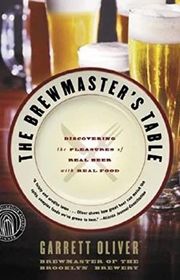
The Brewmaster's Table: Discovering the Pleasures of Real Beer with Real Food
For readers who want to choose beer with meals rather than taste it in isolation. Oliver connects styles with food in useful detail, though the emphasis on pairing makes it less comprehensive as a brewing manual.
What it's about
Garrett Oliver explores beer styles and the foods that complement them. Brewing traditions, flavor descriptions, and pairing suggestions show how beer can contribute to a meal, with examples drawn from breweries and cuisines around the world.

The Comic Book Story of Beer
The World's Favorite Beverage from 7000 BC to Today's Craft Brewing Revolution
For visual learners who want beer history in a narrative format. The comic presentation makes a long timespan approachable, though its broad sweep leaves less room for disputed details or the depth of a specialist history.
What it's about
Jonathan Hennessey and Mike Smith trace beer's history from ancient agriculture to contemporary craft brewing. Aaron McConnell's comic illustrations connect changes in brewing with religion, commerce, technology, and the societies that adopted the drink across centuries.

For curious drinkers who learn best through a planned sequence of tastings. Its class structure offers a clearer route through styles than an encyclopedia, though following the comparisons requires access to a reasonably varied selection of beers.
What it's about
Joshua M. Bernstein organizes an introduction to beer into twelve tasting classes, moving through ingredients, brewing processes, and major styles. Guided comparisons help readers recognize differences among beers and understand the traditions behind what they drink.

For homebrewers who want a structured manual that can grow with their skills. Its explanations connect practical decisions with brewing science, though the technical sections demand more attention than a collection of straightforward recipes.
What it's about
John Palmer guides homebrewers from their first batch through more advanced brewing methods. Explanations cover ingredients, fermentation, and equipment, progressing from straightforward instructions to all-grain techniques and specialty beers while connecting brewing practice with the underlying science.

The New World Guide to Beer
For readers interested in the foundations of modern writing about beer traditions. Jackson’s regional perspective gives it enduring historical value, though brewery details and recommendations need checking against the substantially changed contemporary beer landscape.
What it's about
Michael Jackson surveys the world's brewing traditions, explaining styles, ingredients, and regional differences through an illustrated guide. Brewery profiles and tasting observations connect familiar lagers and ales with less widely known beers and their local histories.

For newcomers who want an approachable explanation before tackling a large reference. Its connection between ingredients, brewing, and serving gives useful orientation, though experienced brewers will need more technical depth elsewhere.
What it's about
Jonny Garrett and Brad Evans introduce craft beer through its ingredients, styles, and brewing processes. The guide connects grain, hops, yeast, and fermentation with serving, storage, glassware, and tasting, helping readers understand both how beer is made and how to appreciate it.

For beer enthusiasts looking for a playful gift or a short illustrated diversion. Its parody format gives familiar brewing details a comic setting, though it offers far less substance than the reference and history books here.
What it's about
Karla Oceanak imagines an animal brewery crew closing for the night in a parody for adult beer enthusiasts. Goodnight wishes to equipment, ingredients, and beer styles lead into explanatory infographics about brewing, with illustrations by Allie Ogg supporting the playful premise.

For homebrewers working in a small kitchen who enjoy seasonal experimentation. Its small-batch recipes offer an approachable practical focus, though readers seeking detailed brewing theory will benefit from a fuller technical manual alongside it.
What it's about
Erica Shea and Stephen Valand present fifty-two seasonal recipes for making small batches of beer in a home kitchen. Stovetop brewing instructions accompany ingredient combinations, food pairings, and cooking ideas, encouraging experimentation with beers inspired by seasonal produce and flavors.

For readers who recognize the collecting habits and social rituals of craft beer fandom. Its humor gives it a different appeal from technical guides, though newcomers seeking a systematic education should start with a more structured introduction.
What it's about
Patrick Dawson takes a humorous look at life organized around craft beer, from tasting sessions and brewery trips to collecting rare bottles. Illustrated quizzes and etiquette advice explore the habits, ambitions, and social rituals of beer enthusiasts.

The Craft Beer Cookbook
From IPAs and Bocks to Pilsners and Porters, 100 Artisanal Recipes for Cooking with Beer
For home cooks who want beer to become an ingredient rather than just an accompaniment. Its recipe focus gives it a practical purpose distinct from the tasting guides, though it provides less background on brewing or styles.
What it's about
Jacquelyn Dodd puts craft beer into the kitchen with one hundred recipes spanning breakfasts, soups, main courses, and desserts. Different beer styles contribute flavor to dishes, extending their use beyond drinking and familiar food pairing suggestions.

For drinkers wanting a compact introduction with food ideas and specific beers to explore. Its manageable scale suits casual browsing, though availability changes and the limited selection cannot match the reach of a larger style reference.
What it's about
Melissa Cole introduces more than one hundred beers while explaining styles, brewing, and tasting. Her compact guide includes food pairings and recipes alongside discussions of gluten free and alcohol free options within the broader craft beer landscape.

For readers interested in craft beer as a social phenomenon rather than just a drink. Its essays examine community and inequality in ways the tasting guides do not, though the academic approach is less inviting for casual browsing.
What it's about
Editors Nathaniel G. Chapman, J. Slade Lellock, and Cameron D. Lippard collect essays examining craft beer as a social phenomenon. Contributors investigate race, gender, class, authenticity, and community, including connections with gentrification and changing consumer identities.

For readers interested in the Canadian craft beer movement through one brewer’s experience. Its personal perspective makes industry change concrete, though the memoir format offers a narrower account than a comprehensive international history.
What it's about
Frank Appleton recounts fifty years in brewing, from large Canadian breweries to helping establish the country's craft beer movement. His memoir follows experiments, partnerships, and brewery startups, connecting personal experiences with the growth of small-scale brewing and brew pubs.

For readers who want imaginative fiction centered on beer rather than another guide. Its linked stories offer a change of pace from factual reading, though the invented setting makes it a poor choice for learning brewing history.
What it's about
In a floating city where everyone works in the beer industry, drinkers, brewers, and even brewing ingredients encounter unexpected problems. RJ Willow's interconnected short stories explore this imaginary community through unusual discoveries, conversations, and beer shaped adventures.
Sources
- 1
100 Best Beer Books of All Time
shortform.com
- 2
Editors’ Picks: Beer Books
beerandbrewing.com
- 3
We Rounded Up The 29 Best Beer Books
hopculture.com
- 4
From Homebrewing to Beer History, Here are 28 of the Best Books About Beer
bigworldsmallgirl.com
- 5
Books about beer
reddit.com
- 6
What are the best books on beer?
reddit.com
- 7
Beer Books
goodreads.com
- 8
Best Beer Books: Choose the Right Read for Your Interests
beer-snobs.com






Edited by
Software engineer whose passion for tracking book recommendations from podcasts inspired the creation of MRB.
Lead investor at 3one4 Capital whose startup expertise and love for books helped shape MRB and its growth.
Comments
Spotted a missing book, a wrong order or a mistake? Tell us and we'll fix this page.
We're a reading guide, not the author or publisher, so we can't send books or pass on messages.