
17 Best Autism Books
The best autism books, ranked by how many expert sources recommend each one, with notes for choosing autistic perspectives, histories, and practical support guides.
Our take
Books about autism are written for different readers and purposes. Autistic people may be looking for recognition or other perspectives, while parents, educators, and professionals may want to understand experiences or explore ways of offering support. A memoir, a history, and a practical guide answer different questions. Reading across perspectives can help keep one person's experience from becoming a template for everyone.
Thinking in Pictures offers Temple Grandin's account of visual thinking and work, while Strong Female Character gives Fern Brady's candid adult perspective. Unmasking Autism concentrates on identity and masking. For a wider historical view, consider NeuroTribes or In a Different Key. Uniquely Human presents a relationship-centered approach to understanding behavior, and Sincerely, Your Autistic Child brings several autistic voices into conversation with parents. For reading with a child, All My Stripes provides a picture-book starting point. Begin with the perspective and format closest to the question you have, then add a contrasting account.
17 books · 11 sources · Last updated
As an Amazon Associate, we earn from qualifying purchases (at no extra cost to you).
How to choose from this list
Skip to the full rankingIf you want a personal account of visual thinking: Thinking in Pictures
If you want adult perspectives on identity: Unmasking Autism → Strong Female Character
If you want a history of autism: NeuroTribes → In a Different Key
If you want to understand behavior through relationships: Uniquely Human
If you want autistic voices addressing parents: Sincerely, Your Autistic Child
If you're reading with a child: All My Stripes
The 17 books, ranked
Ranked by how many expert sources name each book. Ties go to the book more people recommend.

For readers who want a brief, translated personal perspective on communication and perception. The question-and-answer format makes the reflections direct and approachable, though one individual's account cannot represent the range of autistic experiences.
What it's about
Writing at thirteen, Naoki Higashida answers questions about his experiences as an autistic person. His reflections explore communication, memory, movement, and perception, offering an individual perspective translated into English by KA Yoshida and David Mitchell.
Also recommended by
1 person Jon Stewart recommended this book
Jon Stewart
"One of the most remarkable books I’ve ever read. It’s truly moving, eye-opening, incredibly vivid." - Jon Stewart
Jon Stewart's recommendation of this book
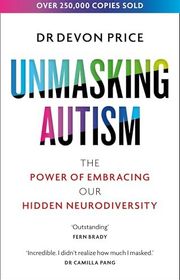
Unmasking Autism
For adults interested in masking and forms of autistic experience often overlooked in familiar stereotypes. Price combines reflection, profiles, and research in an accessible argument, though its emphasis on identity and masking gives it a particular focus within the wider subject.
What it's about
Devon Price examines masking, the ways autistic people may conceal traits to meet social expectations. Personal accounts, research discussion and reflective exercises explore identity, overlooked experiences and the effects of adapting to environments that do not readily accommodate neurological differences.

For readers who want the history of autism connected with the neurodiversity movement. Silberman combines detailed reporting with a clear argument about inclusion, though the length and extensive historical episodes make this a substantial reading commitment.
What it's about
Steve Silberman traces the history of autism, its diagnosis, and the treatment of autistic people. Combining scientific history with personal stories, he argues for understanding neurological differences and creating conditions for fuller participation in society.

For readers who want personal experience placed alongside scientific questions about thinking and sensory differences. Grandin and Panek give the material an accessible frame, though the research discussion reflects its publication period rather than a continually updated reference.
What it's about
Temple Grandin and Richard Panek combine Grandin’s experience with an exploration of autism research, brain imaging, and genetics. The book considers sensory differences and varied ways of thinking, emphasizing the importance of recognizing individual abilities alongside challenges.

For readers curious about visual thinking through a detailed personal account. Grandin connects sensory experience with her professional work, though her distinctive thinking style and career provide one perspective rather than a complete picture of autism.
What it's about
Temple Grandin describes her visual way of thinking and how it shapes her experience of autism. Combining memoir with scientific discussion, she explores sensory experiences, social understanding, and her work designing livestock-handling systems, offering an account of how she perceives the world.

For parents and professionals who want to ask what an individual's behavior communicates. Prizant's stories make a respectful, relationship-centered perspective accessible, though the clinical anecdotes offer an approach to understanding rather than a universal set of solutions.
What it's about
Barry Prizant explores autism by asking what lies behind a person’s behavior and experiences. Stories from his clinical work emphasize listening, trust, emotional understanding, and individual interests, presenting an approach to support grounded in respect for autistic people.

For readers who want a narrative history built around people and advocacy. Donvan and Zucker connect changing ideas with family campaigns and institutions, though the substantial length and broad historical sweep offer less immediate everyday guidance.
What it's about
John Donvan and Caren Zucker trace the history of autism through individuals, families, scientists, and advocates. Beginning with Donald Triplett’s story, the narrative follows changing ideas, institutional practices, campaigns for education and inclusion, and controversies surrounding research and treatment.
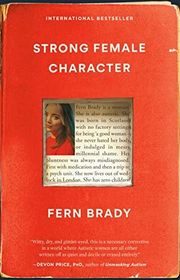
Strong Female Character
For readers who want a candid adult memoir with a comedian's sharp voice. Brady revisits experiences through the understanding offered by her autism diagnosis, though the blunt language and painful episodes make this more confrontational than a gentle introductory account.
What it's about
Comedian Fern Brady looks back at her childhood, relationships, work, and experiences of being misunderstood before an adult autism diagnosis. Dark humor and personal reflection connect her life with questions about gender expectations, social judgment, and finding a framework for self-understanding.

For readers who want a memoir that connects unusual number and language experiences with everyday life. Tammet's account makes a distinctive inner world vivid, though the emphasis on exceptional abilities gives it a narrower focus than broader autism introductions.
What it's about
Daniel Tammet describes growing up autistic and experiencing numbers as colors, shapes, and textures. His memoir explores extraordinary abilities in mathematics and language alongside the routines, relationships, and personal challenges that form his everyday life.

For readers interested in how a family finds shared language and connection. Suskind's narrative gives one relationship sustained attention, though the account is told through a father's perspective and its particular experience does not establish a general method.
What it's about
Ron Suskind recounts how his autistic son Owen used Disney films to communicate and understand relationships. Following the family's experiences over two decades, the memoir explores shared stories, imagination, and the work of connecting with one another.
Also recommended by
1 person- Jon Stewart recommended this book
Jon Stewart
"An incredible story." - Jon Stewart
Jon Stewart's recommendation of this book

For caregivers who want a picture book to begin conversations about identity and belonging. The animal story gives children an accessible shared language, though its simple reassurance leaves more complex questions and individual experiences for further discussion.
What it's about
Zane the zebra worries that classmates notice only his autism and overlook his other qualities. His mother helps him recognize the curiosity, honesty, and kindness that also make him unique. The picture book includes background information and guidance for caregivers.

For readers drawn to an adult looking back at an unexplained childhood and working life. Robison's candid stories make later self-understanding concrete, though the unusual career and personal style offer an individual memoir rather than a general guide.
What it's about
John Elder Robison recounts growing up feeling different before receiving an Asperger’s diagnosis at forty. Stories of family turmoil, engineering work, designing stage effects for KISS, and building his own family show how that diagnosis reshaped his understanding of his life.
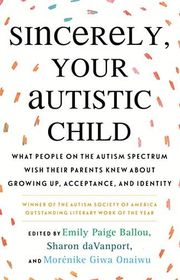
Sincerely, Your Autistic Child: What People on the Autism Spectrum Wish Their Parents Knew About Growing Up, Acceptance, and Identity
For parents and caregivers who want to listen to autistic people reflecting on childhood. The range of contributors broadens the perspective beyond one memoir, though the personal essays offer varied experiences rather than a single organized parenting program.
What it's about
This anthology from the Autistic Women and Nonbinary Network gathers autistic contributors' reflections on growing up. Essays address family relationships, identity, acceptance, and the support writers wish they had received, inviting parents and allies to listen to different lived experiences.

The Complete Guide to Asperger's Syndrome
For readers who want a broad clinical reference organized around everyday and lifelong concerns. Attwood brings many topics into one volume, though its terminology and clinical framing reflect its publication period and a particular profile within the autism spectrum.
What it's about
Tony Attwood examines Asperger’s syndrome across childhood and adulthood using case studies and personal accounts. The guide covers diagnosis, friendships, bullying, emotions, language, sensory experiences, coordination, relationships, and careers, bringing together clinical explanations and practical approaches to support.

The Way I See It
For readers who prefer short, topic-focused observations to a continuous memoir. Grandin makes it easy to browse issues such as education and work, though the essay format is less systematic and her individual perspective needs that context.
What it's about
Temple Grandin draws on personal experience and research to discuss everyday issues facing autistic people and those who support them. This expanded edition addresses education, sensory differences, development, labels, screen use, and employment through essays and practical observations.

An Early Start for Your Child with Autism
Using Everyday Activities to Help Kids Connect, Communicate, and Learn
For parents of young autistic children who want learning opportunities connected with daily routines. The practical examples make an early-childhood approach concrete, though using the activities requires time and individual adaptation beyond simply reading the book.
What it's about
Sally Rogers, Geraldine Dawson, and Laurie Vismara describe ways parents can incorporate learning opportunities into everyday routines with young autistic children. Examples use play, meals, and other familiar activities to encourage communication, shared attention, and engagement.

For parents and educators who want many practical options to consider across daily situations. The large collection encourages selective use, though its breadth requires choosing and adapting ideas to the individual child rather than following one sequence.
What it's about
Ellen Notbohm and Veronica Zysk collect practical ideas for supporting autistic children at home, school, and in the community. Suggestions address sensory experiences, communication, daily living, behavior, social interaction, and learning, offering varied approaches for different abilities and circumstances.
Sources
- 1
21 Best Books on Autism
choosingtherapy.com
- 2
The 11 Best Books on Autism, According to Experts - PureWow
purewow.com
- 3
Autism Reads | Autism Speaks
autismspeaks.org
- 4
Autism Books Everyone Should Read | And Next Comes L - Hyperlexia Resources
andnextcomesl.com
- 5
The Best Autism Books - Five Books Expert Recommendations
fivebooks.com
- 6
Autism Books
goodreads.com
- 7
Partnership for Extraordinary Minds - Autistic Authors
xminds.org
- 8
Books by Autistic Authors: The Best Autism Books for Adults | HeyASD
heyasd.com
- 9
Books about autism | Autism Space | Leicestershire Partnership NHS Trust
leicspart.nhs.uk
- 10
Autistic adult book recommendations!? : r/AutisticAdults
reddit.com
- 11
Book recommendations to understand and live with autism : r/autism
reddit.com









Edited by
Software engineer whose passion for tracking book recommendations from podcasts inspired the creation of MRB.
Lead investor at 3one4 Capital whose startup expertise and love for books helped shape MRB and its growth.
Comments
Spotted a missing book, a wrong order or a mistake? Tell us and we'll fix this page.
We're a reading guide, not the author or publisher, so we can't send books or pass on messages.