
12 Best Creative Writing Books
The best creative writing books, ranked by expert source recommendation counts, with notes for beginners, prose exercises, close reading, and writing routines.
Our take
Creative writing involves both making time to work and learning what your choices do on the page. A book that helps with self-doubt may not explain viewpoint, while a demanding craft guide may offer little encouragement when you cannot begin. These books approach the process through practice, memoir, literary examples, and questions about language and form.
Bird by Bird makes large ambitions more manageable, while On Writing connects habits and revision with a novelist’s experience. Writing Down the Bones encourages regular, attentive practice. For more focused prose work, Steering the Craft provides exercises and The Art of Fiction asks for close consideration of narrative technique. Reading Like a Writer turns published sentences into material for study. Cameron’s original The Artist's Way offers a structured creative program; the Morning Pages journal is a separate companion for private practice.
Start with the obstacle in front of you, then pair advice with a small piece of writing you can draft, read carefully, and revise.
12 books · 9 sources · Last updated
As an Amazon Associate, we earn from qualifying purchases (at no extra cost to you).
How to choose from this list
Skip to the full rankingIf perfectionism stops you starting: Bird by Bird → Writing Down the Bones
If you want habits and revision advice: On Writing
If you want prose exercises: Steering the Craft
If you're ready for detailed fiction craft: The Art of Fiction
If you want to learn through close reading: Reading Like a Writer → Feel Free
If you're beginning with guided prompts: Find Your Voice
The 12 books, ranked
Ranked by how many expert sources name each book. Ties go to the book more people recommend.

For writers held back by perfectionism who want practical encouragement without pretending the work is easy. Its small assignments and personal honesty make beginning less intimidating, though the conversational digressions provide less systematic craft instruction than an exercise manual.
What it's about
A modern classic on writing and life, filled with practical advice on how to tackle large tasks by breaking them down into small, manageable pieces. Lamott shares stories from her own creative struggles, offering encouragement to anyone who battles perfectionism or writer's block.
Also recommended by
10 people Tim Ferriss recommended this book
Tim Ferriss
"Fantastic book." - Tim Ferriss
Tim Ferriss's recommendation of this book  Daniel Pink recommended this book
Daniel Pink
"One of the greatest things ever." - Daniel Pink
Daniel Pink's recommendation of this book  Susan Cain recommended this book
Susan Cain
"I love [this book]. Such a good book." - Susan Cain
Susan Cain's recommendation of this book  Ryan Holiday recommended this book
Ryan Holiday
"Ostensibly about the art of writing, but really it too is about life and how to tackle the problems, temptations and opportunities life throws at us." - Ryan Holiday
Ryan Holiday's recommendation of this book  Matt Mullenweg recommended this book
Matt Mullenweg
"I love reading about writers and the process of writing." - Matt Mullenweg
Matt Mullenweg's recommendation of this book  Ramit Sethi recommended this book
Ramit Sethi
Ramit Sethi mentioned this book on "The Tim Ferriss Show" podcast.
Ramit Sethi's recommendation of this book +4
More recommendations
- Brian Koppelman
"Great." - Brian Koppelman
- Mark Bittman
"A really great writing book and it’s a good read." - Mark Bittman
- Mike Birbiglia
"I really like [this book]." - Mike Birbiglia
- Matt Haig
"My go-to gift or recommendation for anyone interested in writing, though it is as much a treatise on life as it is a creative-writing primer." - Matt Haig
- Brian Koppelman

For writers who want working habits and storytelling advice grounded in a novelist’s experience. Its mixture of memoir and practical discussion makes the craft personal, though King’s preferences are a starting point for testing rather than universal rules.
What it's about
King combines memories of childhood, early publication, and personal setbacks with practical advice about storytelling and revision. He considers the tools and habits of a writer's work, including the role writing played in recovering from his near-fatal accident.
Also recommended by
4 people Jason Calacanis recommended this book
Jason Calacanis
"Got me jazzed up about writing and reading more." - Jason Calacanis
Jason Calacanis's recommendation of this book  Brian Koppelman recommended this book
Brian Koppelman
"Still the gold standard." - Brian Koppelman
Brian Koppelman's recommendation of this book  Edgar Wright recommended this book
Edgar Wright
Edgar Wright recommended this book on Twitter.
Edgar Wright's recommendation of this book  Russell Moore recommended this book
Russell Moore
"Really helpful." - Russell Moore
Russell Moore's recommendation of this book

For writers who recognize procrastination and want a forceful argument for showing up consistently. Its short sections make the motivational message easy to revisit, though the combative tone and spiritual claims offer little detailed help with revising prose.
What it's about
Pressfield names the inner enemy of creative work, Resistance, then breaks down how fear, procrastination, and self-sabotage keep people from doing what matters. It is short, blunt, and aimed at writers, artists, entrepreneurs, and anyone stuck at the starting line.
Also recommended by
16 people Joe Rogan recommended this book
Joe Rogan
"A great book about harnessing creativity." - Joe Rogan
Joe Rogan's recommendation of this book  Lex Fridman recommended this book
Lex Fridman
"Beautiful book." - Lex Fridman
Lex Fridman's recommendation of this book  Aubrey Marcus recommended this book
Aubrey Marcus
"One of the most influential books in my life." - Aubrey Marcus
Aubrey Marcus's recommendation of this book - Ryan Holiday recommended this book
Ryan Holiday
One of Ryan Holiday's 2 answers to "what book are you most likely to give out as a gift?"
Ryan Holiday's recommendation of this book  Seth Godin recommended this book
Seth Godin
Seth Godin mentioned this book on "The Tim Ferriss Show" podcast.
Seth Godin's recommendation of this book - Brian Koppelman recommended this book
Brian Koppelman
"Talks about resistance." - Brian Koppelman
Brian Koppelman's recommendation of this book +10
More recommendations
- Marie Forleo
"The essential no-bullshit guide for anyone who battles self-doubt or struggles to bring any important project to life." - Marie Forleo
- Daniel Pink
"I have [a little sign] on my desk here that says, 'Beat the resistance.' So, I’ve given [this book] out a lot too." - Daniel Pink
- Derek Sivers
"Are you a writer who doesn’t write, a painter who doesn’t paint, an entrepreneur who never starts a venture? Then you know what “Resistance” is. This book is about that. Read it." - Derek Sivers
- Soman Chainani
"Half drill sergeant, half Zen voodoo master, [the author] shot me out of my stupor and taught me the meaning of creative discipline." - Soman Chainani
- Russell Moore
"About showing up and not waiting for inspiration to hit." - Russell Moore
- Jen Sincero
"Read this thing if you want to blast past your fears and insecurities and resistance to being your biggest, badassiest self." - Jen Sincero
- Jodie Cook
"This book is a sharp reality check for every artist. It will help you become unblocked, right now and possibly forever." - Jodie Cook
- Danny Miranda
"Odds of re-reading: close to 100%." - Danny Miranda
- James Clear
"[One of] the 10 best nonfiction books of all-time." - James Clear
- Michael Hyatt
Michael Hyatt recommended this book on his website.
- Marie Forleo

For writers who need low-pressure practice and a closer attention to everyday experience. Its short reflections and exercises make regular writing feel manageable, though the Zen influenced approach gives less direction on plotting or revising a finished manuscript.
What it's about
Natalie Goldberg combines writing exercises with reflections informed by Zen practice. Her short chapters encourage attention to everyday experience, trust in first thoughts, and regular practice, addressing the doubts and habits that can prevent writers from getting words onto paper.
Also recommended by
1 person- Tim Ferriss recommended this book
Tim Ferriss
"A great book." - Tim Ferriss
Tim Ferriss's recommendation of this book
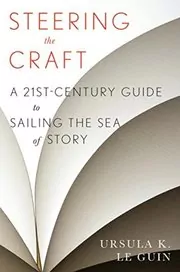
For prose writers who want to practice specific choices rather than only read advice. Its focused exercises sharpen attention to sound, sentences, and viewpoint, though the value depends on doing the work and reviewing it critically.
What it's about
A practical guide to fiction writing that breaks craft into usable parts, from sound and syntax to point of view, with exercises all along the way.
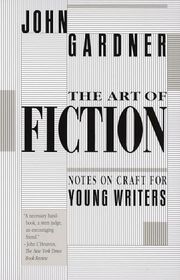
The Art of Fiction
For fiction writers ready to examine narrative technique and the standards behind effective prose. Its demanding analysis and exercises encourage deliberate choices, though the prescriptive judgments and literary assumptions may feel restrictive without comparison with other approaches.
What it's about
Gardner examines the craft of fiction through discussions of narrative, sentence construction, character, and common technical problems. Examples and exercises connect broader ideas about literary art with the decisions a writer makes while composing and revising prose.

For writers curious about language as a subject rather than simply a set of correctness rules. Its explanation of linguistic inquiry can broaden attention to how people communicate, though it is not a manual for drafting or revising creative work.
What it's about
Geoffrey Pullum explains why the scientific study of language matters to understanding human thought and society. He explores its relationships with psychology, education, philosophy, and computing, alongside applications in fields such as law and medicine.

On Poetry
For readers who want to reflect on poetry as something heard and shared as well as read. Its blend of memoir and criticism encourages attentive listening, though it offers a personal approach rather than a systematic course in poetic technique.
What it's about
Jonathan Davidson combines memoir and criticism to examine his experience of poetry from childhood onward. Close readings and memories of hearing poets perform explore how poems work in both private reading and public listening.
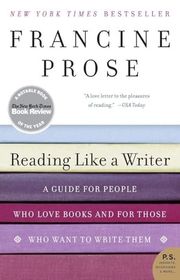
Reading Like a Writer: A Guide for People Who Love Books and for Those Who Want to Write Them
For writers who want to learn through close attention to published prose. Its analysis of small choices makes reading an active part of craft development, though the example driven approach supplies less structure for planning an entire manuscript.
What it's about
Francine Prose shows how close reading can teach the craft of writing. Examining passages from a range of authors, she considers words, sentences, dialogue, character, and narration as choices writers can study and learn from.

For writers who want to study how a flexible essayistic voice moves between art, public life, and personal experience. Its range offers models for attentive reading, though it provides finished work to analyze rather than a sequence of writing lessons.
What it's about
This essay collection ranges from libraries, movies, and music to politics, technology, and climate change. Smith moves easily between the personal and the public, turning ordinary subjects into sharp, restless thinking.
Also recommended by
1 person Barack Obama recommended this book
Barack Obama
Barack Obama's favorite books of 2018 list.
Barack Obama's recommendation of this book

For younger or beginning writers who want prompts that turn personal interests into story material. Its guided format makes experimenting less daunting, though the space for exercises and introductory coverage offer less depth than an extended fiction craft book.
What it's about
This guided journal turns Angie Thomas's writing advice into prompts and exercises on ideas, character, setting, and first drafts. It is built to help young writers get unstuck, get honest, and put their own stories on the page.

For writers already interested in Cameron’s Morning Pages practice who want a dedicated place to use it. The journal supports regular private writing, though it is a companion resource rather than the original book’s full program or a craft manual.
What it's about
Julia Cameron provides a companion journal for the Morning Pages practice introduced in The Artist's Way. An introduction and instructions guide readers in using daily private writing to explore their thoughts, fears, aspirations, and experiences.
Also recommended by
3 people- Tim Ferriss recommended this book
Tim Ferriss
"Nearly every morning, I sit down with a hot cocktail of turmeric, ginger, pu-erh tea, and green tea. Next, I crack open [this book]." - Tim Ferriss
Tim Ferriss's recommendation of this book - Brian Koppelman recommended this book
Brian Koppelman
"The closest thing to magic I’ve come across. That if you really do it every day in a real disciplined practice, something happens to your subconscious that allows you to get your most creative place." - Brian Koppelman
Brian Koppelman's recommendation of this book  Russell Brand recommended this book
Russell Brand
"I love it. A practical, spiritual, nurturing book." - Russell Brand
Russell Brand's recommendation of this book
Sources
- 1
Top 10 Books on Creative Writing
henryharvin.com
- 2
Ten of the Best Books for Writers - The Creative Life
thecreativelife.net
- 3
The 12 Best Books on Writing I've Ever Read - Jerry Jenkins
jerryjenkins.com
- 4
100 Best Creative Writing Books of All Time (Updated for 2026)
shortform.com
- 5
Creative Writing Books
goodreads.com
- 6
The Best Books on Creative Writing - Five Books Expert Recommendations
fivebooks.com
- 7
Give me writing books to learn how to write properly. I want to take writing stories seriously : r/writing
reddit.com
- 8
Books that actually improved your writing : r/writers
reddit.com
- 9
Top 10 books about creative writing | Creative writing | The Guardian
theguardian.com



Edited by
Software engineer whose passion for tracking book recommendations from podcasts inspired the creation of MRB.
Lead investor at 3one4 Capital whose startup expertise and love for books helped shape MRB and its growth.
Comments
Did we miss something? Have feedback?
Help us improve this page by sharing your thoughts