
31 Best Civil War Books
The best Civil War books, ranked by how many expert sources recommend each one, with notes for choosing overviews, campaign histories, memoirs, novels, and analysis.
Our take
Books about the American Civil War approach the conflict through its causes, campaigns, participants, and long aftermath. A broad history can connect those subjects, while a battle study or memoir gives a closer but more limited view. This list also includes novels and works about remembrance, which help explain how the war has been imagined and interpreted as well as what happened.
Battle Cry of Freedom is a useful foundation before moving into narrower questions. The Impending Crisis, 1848-1861 concentrates on the political breakdown, and The Personal Memoirs of Ulysses S. Grant provides a commander's perspective. The Fiery Trial examines slavery and Lincoln, while Race and Reunion follows the struggle over memory. Fiction such as Cold Mountain offers a different kind of encounter with the period. Memoirs, novels, and partisan accounts deserve attention to who is speaking and what their perspective leaves out. Start with Battle Cry of Freedom, then follow the subject that most interests you.
31 books · 8 sources · Last updated
As an Amazon Associate, we earn from qualifying purchases (at no extra cost to you).
How to choose from this list
Skip to the full rankingIf you want a broad foundation: Battle Cry of Freedom
If you want to understand the road to war: The Impending Crisis, 1848-1861
If you want Lincoln and emancipation: The Fiery Trial → Reconstruction
If you want a commander's account: The Personal Memoirs of Ulysses S. Grant
If you want to understand memory and aftermath: Race and Reunion → Confederates in the Attic
If you prefer historical fiction: The Killer Angels → Cold Mountain
The 31 books, ranked
Ranked by how many expert sources name each book. Ties go to the book more people recommend.

Battle Cry of Freedom
For readers who want a substantial one-volume foundation. McPherson connects military events with slavery, politics, and social change more fully than a campaign-only account, though the length and detail require patience and cannot replace specialized studies.
What it's about
James McPherson traces the political, social, and military developments that led to the American Civil War and shaped its course. His narrative connects slavery, sectional conflict, leadership, and battlefield campaigns to the struggles over the Union and emancipation.
Also recommended by
2 people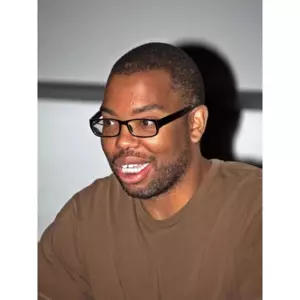 Ta-Nehisi Coates recommended this book
Ta-Nehisi Coates
"The definitive history of the Civil War. One of the greatest works of history I've ever read and arguably the best one volume history in existence." - Ta-Nehisi Coates
Ta-Nehisi Coates's recommendation of this book  Saagar Enjeti recommended this book
Saagar Enjeti
"Reading it in the midst of social and political chaos in America gave me profound hope that America at its best can overcome even its worst challenges." - Saagar Enjeti
Saagar Enjeti's recommendation of this book

For readers interested in the Army of the Potomac's final campaigns. Catton gives exhaustion and determination a strong narrative presence, though it is the concluding volume of a trilogy and its older military focus leaves other perspectives less developed.
What it's about
Bruce Catton follows the Army of the Potomac through the Civil War's final year, from the Wilderness fighting to Appomattox. Commanders' decisions and soldiers' experiences reveal the exhaustion, losses, and determination behind the campaigns that brought the war to its close.
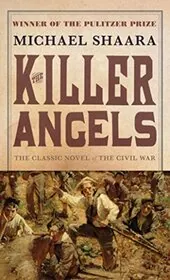
For readers who want an accessible historical novel centered on command at Gettysburg. Shaara makes competing decisions emotionally immediate, though imagined interior lives and dramatized encounters need to be distinguished from documented historical evidence.
What it's about
Shaara's Pulitzer Prize-winning novel brings the Battle of Gettysburg down to the level of choice, fear, and conviction. Following officers on both sides, it turns a famous turning point into a deeply human story about command, courage, and cost.

For readers who prefer a literary novel about the war's effects away from command headquarters. Frazier gives landscape, civilian labor, and private longing unusual weight, though the deliberate pace and episodic structure offer less conventional battle-driven momentum.
What it's about
Wounded Confederate soldier Inman leaves the front and starts the long walk home to Cold Mountain and Ada, the woman he loves. While he crosses a shattered South, Ada learns to survive on her farm with the help of the tough, practical Ruby.
Also recommended by
1 person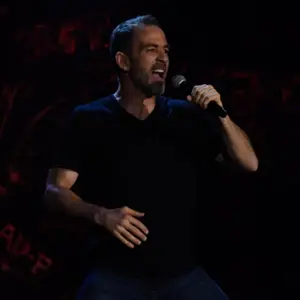 Bryan Callen recommended this book
Bryan Callen
Bryan Callen recommended this book on YouTube.
Bryan Callen's recommendation of this book
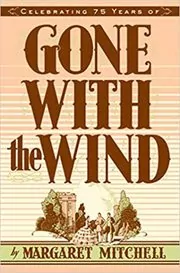
Gone With the Wind
For readers studying a major historical romance and its influence on popular memory. Its scale and forceful central character sustain a long narrative, though its racist portrayals and romanticized view of the slaveholding South strongly distort the historical picture.
What it's about
Following Scarlett O'Hara through war, loss, hunger, and social upheaval, this sweeping novel traces one woman's fierce will to survive, and the tangled pull of love, in Georgia during the Civil War and Reconstruction.
Also recommended by
1 person Winston Churchill recommended this book
Winston Churchill
One of Winston Churchill's favorite books.
Winston Churchill's recommendation of this book

For readers interested in the war's continuing presence in everyday American life. Horwitz's reporting makes disputes over memory tangible and personal, though its encounters reflect a particular moment and offer less of a continuous history of the conflict.
What it's about
Tony Horwitz travels through the South to explore the Civil War’s continuing hold on American memory. Encounters with reenactors, descendants, activists, and battlefield visitors reveal how remembrance, regional identity, and racial conflict intersect long after the fighting ended.

For readers who want a vivid introduction to the Army of the Potomac's early development. Catton balances command personalities with soldiers' experiences, though this opening volume covers only part of the army's story and reflects an older narrative tradition.
What it's about
Bruce Catton recounts the Army of the Potomac's early development under George McClellan during the American Civil War. His narrative combines battles and political pressures with soldiers' experiences, examining the difficulties of transforming an inexperienced force into an effective army.

For readers who want to understand how remembrance shaped race and national reconciliation. Blight gives the politics of memory sustained attention, though the analytical depth assumes more historical interest than a first overview of the war itself.
What it's about
David Blight examines how Americans remembered the Civil War during the decades that followed. He argues that reconciliation between white Northerners and Southerners marginalized slavery, emancipation, and Black Americans' experiences, shaping a national memory built around selective forgetting.

For readers who want Lincoln's changing position on slavery examined closely. Foner links personal development with political pressure and antislavery activism, though the focused argument provides less coverage of Lincoln's military leadership or private life.
What it's about
Eric Foner traces Abraham Lincoln’s changing views on slavery from his early life through the presidency. The book places those developments within the political pressures and antislavery movements that shaped the Civil War and the course of emancipation.

This Republic of Suffering
For readers interested in the human and institutional consequences of mass death. Faust connects mourning with practical changes in American life, though the sustained focus on loss makes it emotionally demanding and leaves battlefield strategy largely outside its purpose.
What it's about
Drew Gilpin Faust explores how mass death during the Civil War transformed American families, institutions, and beliefs. Soldiers’ and civilians’ voices illuminate the practical work of burial and mourning alongside religious and moral efforts to understand unprecedented loss.

The Personal Memoirs of Ulysses S. Grant
For readers who want a commander's own explanation of his military experience. Grant's direct prose makes complex campaigns comparatively approachable, though this is a retrospective personal account and offers little coverage of his later presidency.
What it's about
Ulysses S. Grant recounts his early life and military service, focusing on the Mexican War and the American Civil War. His firsthand narrative explains campaigns, command decisions, and his perspective on the people and conflicts he encountered.
Also recommended by
2 people Jamie Dimon recommended this book
Jamie Dimon
On Jamie Dimon's list of favorite books.
Jamie Dimon's recommendation of this book  Mark Twain recommended this book
Mark Twain
Mark Twain recommended this book in a letter.
Mark Twain's recommendation of this book

For readers who want to investigate why soldiers enlisted and kept fighting. McPherson builds his argument from letters and diaries, though the surviving written evidence cannot represent every soldier equally and the thematic approach offers little continuous campaign narrative.
What it's about
James McPherson draws on Civil War soldiers' letters and diaries to investigate why they enlisted and continued fighting. Comparing Union and Confederate experiences, he examines ideology, duty, faith, comradeship, and the pressures that sustained men through danger and hardship.

For readers ready to study one battle in detail. Sears combines command decisions with participants' accounts to make Antietam's confusion understandable, though the narrow scope works best with some prior knowledge of the wider campaign and war.
What it's about
Stephen Sears reconstructs the Battle of Antietam through military analysis and accounts from diaries, letters, and dispatches. His narrative follows commanders and ordinary soldiers on both sides, explaining the decisions and experiences behind the devastating confrontation.

For readers who want a detailed study of Confederate command relationships. Freeman's attention to individual officers makes the leadership network unusually visible, though its sympathetic Confederate framing and differences between full and abridged editions require care.
What it's about
Douglas Southall Freeman traces the officers who commanded under Robert E. Lee in the Army of Northern Virginia. This one-volume abridgment by Stephen Sears follows their development, relationships, and battlefield decisions through Confederate victories, losses, and eventual surrender.

For readers interested in how war unsettled gender roles and slaveholding households. Faust connects elite women's experiences with the strain on Confederate society, though the defined social group leaves many other Southern women's lives outside its central focus.
What it's about
Drew Gilpin Faust examines how the Civil War changed the lives of women from slaveholding Southern families. Their letters and experiences reveal struggles over managing plantations, sustaining households, preserving status, and adapting to shifting expectations of race and gender.
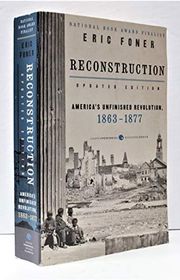
Reconstruction: America's Unfinished Revolution, 1863-1877
For readers who want to follow emancipation into the struggle over citizenship and political power. Foner connects national policy with Southern social change, though the substantial length and detailed analysis make it a demanding extension beyond a wartime overview.
What it's about
Eric Foner examines the United States after emancipation, tracing struggles over citizenship, labor, political participation and federal power. The book follows formerly enslaved people, southern communities and national leaders through the contested rebuilding of the postwar republic.

The Impending Crisis, 1848-1861
For readers who want to understand the political breakdown before the fighting. Potter follows sectional disputes and failed compromises in depth, though the interpretation reflects its scholarly moment and the book ends as the war begins.
What it's about
David Potter examines the political and sectional crises that brought the United States to civil war between 1848 and 1861. The narrative follows disputes over slavery, territorial expansion, compromise, and secession, showing how conflict gradually overwhelmed efforts to preserve the Union.

For readers interested in Lincoln's political relationships and management of competing personalities. Goodwin's group-biography approach gives the cabinet a vivid human setting, though its length and leadership emphasis provide less military detail than a campaign-centered history.
What it's about
Goodwin tells the story of Abraham Lincoln and the powerful men who once ran against him, then joined his cabinet. It is both a Civil War history and a sharp look at how Lincoln turned rivalry into effective leadership.
Also recommended by
7 people Alexandria Ocasio-Cortez recommended this book
Alexandria Ocasio-Cortez
Alexandria Ocasio-Cortez recommended this book on Twitter.
Alexandria Ocasio-Cortez's recommendation of this book  J.K. Rowling recommended this book
J.K. Rowling
"I lived in it the way that you do with truly great books; putting it down with glazed eyes and feeling disconcerted to find yourself in the 21st century." - J.K. Rowling
J.K. Rowling's recommendation of this book  Bill Gates recommended this book
Bill Gates
"I loved [this book]." - Bill Gates
Bill Gates's recommendation of this book  Scott Belsky recommended this book
Scott Belsky
Scott Belsky mentioned this book on "The Tim Ferriss Show" podcast.
Scott Belsky's recommendation of this book  Stewart Butterfield recommended this book
Stewart Butterfield
"Among the best historical books I've ever read (take that, Herodotus)." - Stewart Butterfield
Stewart Butterfield's recommendation of this book - Jamie Dimon recommended this book
Jamie Dimon
On Jamie Dimon's list of favorite books.
Jamie Dimon's recommendation of this book +1
More recommendations
- Sunny Hostin
"A terrific book!" - Sunny Hostin
- Sunny Hostin

Company Aytch
For readers seeking an ordinary Confederate soldier's remembered experience. Watkins's humor and attention to daily hardship give the memoir a distinctive voice, though retrospective storytelling and Confederate loyalties limit its usefulness as an impartial campaign record.
What it's about
Samuel Watkins recalls four years as a Confederate infantryman, describing battles, exhausting marches, camp life, and the deaths of fellow soldiers. His memoir combines humor and hardship to portray the Civil War from the perspective of an ordinary Tennessee private.

Mary Chesnut's Civil War
For readers interested in an observant insider's view of Confederate society. Chesnut's proximity to political circles gives the writing unusual social texture, though her privileged slaveholding perspective and the journals' revision history require careful attention.
What it's about
Mary Chesnut’s journals describe Confederate politics, warfare, and everyday society from her position within its governing circles. C. Vann Woodward’s edition presents her observations of a slaveholding world under strain, including her conflicted responses to its institutions and collapse.

For readers who enjoy long family sagas rooted in historical conflict. Jakes makes sectional division personal through relationships and domestic tensions, though this opening volume concentrates on the approach to war and begins a larger trilogy.
What it's about
George Hazard of Pennsylvania and Orry Main of South Carolina become close friends at West Point. Their bond is tested as slavery, politics, and war pull their families toward the coming Civil War.

For readers drawn to intimate historical fiction about injury, care, and survival. Bahr concentrates the war's effects within a small group of lives, though the close focus and emotional intensity leave the larger campaign mostly in the background.
What it's about
Confederate rifleman Bushrod Carter is wounded at the Battle of Franklin and taken to a makeshift hospital. There he meets Anna Hereford, whose own losses shape their fragile connection as both search for humanity amid the violence and aftermath of war.
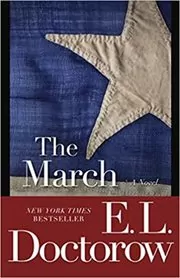
For readers who want a historical novel with many social perspectives. Doctorow's shifting attention gives destruction and emancipation a broad human canvas, though the large cast and episodic movement offer less sustained attachment to a single protagonist.
What it's about
Doctorow follows Sherman's march through Georgia and the Carolinas through soldiers, freed people, doctors, and civilians caught in its path. It is a sweeping Civil War novel about ruin, motion, and lives remade by war.

For readers interested in Black military service and the relationships within Union regiments. Glatthaar gives cooperation and racial prejudice sustained attention together, though the institutional focus is more specialized than a broad history of emancipation.
What it's about
Joseph Glatthaar examines the relationship between Black Union soldiers and their white officers during the Civil War. He explores military service, racial prejudice, and the cooperation that developed as these men fought together in the United States Colored Troops.

Running a Thousand Miles for Freedom
Or, the Escape of William and Ellen Craft from Slavery
For readers who want a firsthand account of slavery and escape as background to the conflict. The Crafts' narrative makes racial and gender assumptions concrete, though its antebellum setting provides context rather than a history of wartime emancipation.
What it's about
William and Ellen Craft recount their escape from slavery in Georgia in 1848. Ellen disguised herself as a white male slaveholder, with William posing as her servant, enabling their journey north and exposing the racial and gender assumptions they had to navigate.

Sherman's March
For readers who want a readable campaign account with soldiers and civilians in view. Davis gives Sherman's advance a strong narrative shape, though the focused geographical and military scope offers less explanation of the war's broader political development.
What it's about
Burke Davis reconstructs William Sherman's campaigns through Georgia and the Carolinas during the closing phase of the Civil War. Drawing on eyewitness accounts, he portrays soldiers, civilians, destruction, and the commander whose strategy shaped their experiences.
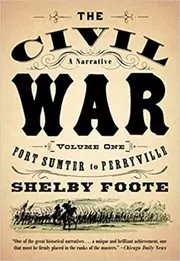
For readers who enjoy expansive military storytelling and a large cast. Foote's narrative voice gives campaigns a strong sense of movement, though this is only the first volume and its emphasis offers less analysis of slavery and social change.
What it's about
Foote opens with secession and Fort Sumter, then follows the war through First Bull Run, Shiloh, Antietam, and Perryville. It is the start of his sweeping three-volume history, rich in politics, personality, and battlefield detail.

For readers ready for a detailed study of the Tennessee campaign. Sword's close attention to command decisions makes the sequence of failures intelligible, though the operational detail is easier to follow with maps and prior knowledge of the war.
What it's about
Wiley Sword recounts John Bell Hood’s disastrous Tennessee campaign after the fall of Atlanta. Following Spring Hill, Franklin, and Nashville from both armies’ perspectives, he examines missed opportunities, command decisions, and the destruction of the Confederate Army of Tennessee.

For readers who want to examine the cultural appetite for destructive warfare. Royster's thematic approach makes familiar commanders part of a wider argument, though the interpretive structure is less straightforward than a chronological campaign history.
What it's about
Charles Royster examines the destructive ambitions of the Civil War through William Tecumseh Sherman and Stonewall Jackson. Their lives, strategies, and public reputations anchor a wider exploration of patriotic passion and Americans’ acceptance of devastating violence.

For readers curious about everyday Confederate military life. Wiley's thematic organization makes camp routines, morale, and material conditions easy to investigate, though its Confederate focus and older scholarship benefit from comparison with work on Union and Black soldiers.
What it's about
Bell Irvin Wiley reconstructs the daily experiences of ordinary Confederate soldiers using letters, diaries, newspapers, and military records. The study explores recruitment, combat, camp routines, food, clothing, illness, morale, and ties to people at home.

For readers studying Confederate memory and the origins of Lost Cause ideology. Its proximity to the defeat makes it an important historical document, though its racist Confederate apologetics sharply limit its reliability as a history of the war.
What it's about
Edward Pollard recounts the Confederacy’s rise, military campaigns, and defeat from a sympathetic Southern viewpoint. Written soon after the Civil War, the work presents a partisan interpretation of Confederate leaders and the struggle whose memory its title helped define.
Sources
- 1
The top 12 Civil War books ever written - Salon.com
salon.com
- 2
Start Reading about the Civil War | American Battlefield Trust
battlefields.org
- 3
The Best Civil War Books of All Time - Civil War Monitor
civilwarmonitor.com
- 4
Essential Civil War Books
explorethearchive.com
- 5
Best American Civil War Books (1025 books)
goodreads.com
- 6
Books on Civil war : r/CIVILWAR
reddit.com
- 7
Book Recommendations? : r/CIVILWAR
reddit.com
- 8
The Essentials: Six Books on the Civil War
smithsonianmag.com






Edited by
Software engineer whose passion for tracking book recommendations from podcasts inspired the creation of MRB.
Lead investor at 3one4 Capital whose startup expertise and love for books helped shape MRB and its growth.
Comments
Spotted a missing book, a wrong order or a mistake? Tell us and we'll fix this page.
We're a reading guide, not the author or publisher, so we can't send books or pass on messages.