
17 Best Cycling Books
The best cycling books, ranked by how many expert sources recommend each one, with notes on race history, rider memoirs, travel, bicycle craft and culture.
Our take
Cycling books can put you inside a race, take you across a continent or explain why a bicycle becomes more than a machine. This selection ranges from fiction and sporting biography to travel memoirs, illustrated histories and a season-specific almanac. Some assume a fascination with the professional peloton; others speak to anyone who enjoys the independence, community or uncertainty that comes with riding.
The Rider concentrates the experience into one race, while Slaying the Badger reconstructs a famous Tour de France rivalry. The Secret Race and Racing Through the Dark examine doping through participants' accounts. For travel, Full Tilt offers a historical journey and French Revolutions takes a comic approach. Back in the Frame asks who feels welcome in cycling, while It's All About the Bike follows the craft and history of the machine itself. Start with The Rider for racing, or choose a travel memoir if the journey matters more to you than the result.
17 books · 8 sources · Last updated
As an Amazon Associate, we earn from qualifying purchases (at no extra cost to you).
How to choose from this list
Skip to the full rankingIf you want to feel a race from the inside: The Rider
If you want racing history and rivalry: Half Man, Half Bike → Slaying the Badger → The Monuments
If you want to understand doping-era cycling: Racing Through the Dark → The Secret Race
If you prefer travel and adventure: French Revolutions → Full Tilt → This Road I Ride
If you're interested in belonging and personal endurance: Back in the Frame → Where There's A Will
If you enjoy bicycle craft and visual culture: It's All About the Bike → The Cycling Jersey
The 17 books, ranked
Ranked by how many expert sources name each book. Ties go to the book more people recommend.

The Rider
For readers who want to feel a race from inside a rider's mind. The kilometer-by-kilometer structure makes tactics and effort unusually immediate, though the obsessive inner commentary offers little introduction to the wider institutions or history of professional cycling.
What it's about
Tim Krabbé takes readers inside a cyclist's thoughts during a 150-kilometer race through the French mountains. Physical effort, tactical calculation, memories, and observations of rival riders unfold together as the narrative follows the course kilometer by kilometer.

For readers who want a participant's detailed account of organized doping within elite cycling. Hamilton and Coyle expose the routines behind the public performances, though the revelations and retrospective viewpoint make it a specific account rather than the whole story.
What it's about
Tyler Hamilton, with Daniel Coyle, recounts the doping culture inside professional cycling and his own participation in it. His experiences in the Tour de France, relationship with Lance Armstrong, and struggles with depression frame an account of pressure, secrecy, and compromised competition.
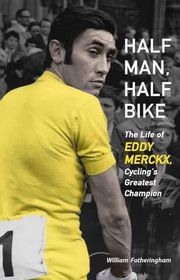
Half Man, Half Bike
For readers who want a focused biography of Eddy Merckx's relentless competitiveness. Fotheringham examines ambition alongside vulnerability and controversy, though the career's many races and personalities are easier to follow with some knowledge of professional cycling.
What it's about
William Fotheringham traces the life and racing career of Eddy Merckx, examining the drive behind his extensive success. The biography considers competition, injury, personal pressure and controversy in the sport, looking beyond victories to the man associated with them.
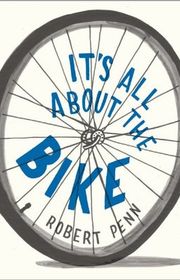
It's All About the Bike
For riders curious about the people, materials and traditions behind a bicycle. Penn's search for his ideal build gives technical history a personal thread, though the component-by-component journey offers little of a competitive racing narrative.
What it's about
Robert Penn travels to meet the makers of components for his ideal bicycle. His search connects frame building, wheels and other parts with the history, technology and culture of cycling, exploring why the machine inspires such lasting attachment.

For readers interested in the person behind a defining tragedy of British cycling. Fotheringham combines investigation with sporting context, though the focus on Simpson's life and death makes this a concentrated biography rather than an overview of the era.
What it's about
William Fotheringham reconstructs the life of British cyclist Tom Simpson through interviews, correspondence, and visits to places connected with him. The biography examines Simpson's ambition, sporting achievements, controversies, and death during the 1967 Tour de France, tracing the man behind his enduring legend.

Racing Through the Dark
For readers seeking a rider's account of doping pressure and a damaged professional career. Millar's personal involvement gives the moral compromises immediacy, though the memoir remains his own retrospective interpretation rather than an independent investigation.
What it's about
David Millar recounts his rise through professional cycling and his involvement with performance-enhancing drugs. The memoir examines competitive pressures, arrest, suspension, and his return to racing, connecting experiences inside the sport with his effort to compete clean and oppose doping.

For readers who enjoy sporting history built around rivalry, promises and shifting alliances. Moore gives the 1986 Tour a tightly focused dramatic shape, though familiarity with racing helps explain the significance of tactical decisions and personalities.
What it's about
Richard Moore reconstructs the rivalry between teammates Greg LeMond and Bernard Hinault during the 1986 Tour de France. Interviews with riders and others close to the race reveal shifting alliances, competing ambitions, and the strain between promises of support and the desire to win.

For readers who enjoy an unprepared amateur meeting an absurdly demanding challenge. Moore turns the Tour route into comic travel writing, though the jokes and mishaps matter more than a precise analysis of training or elite competition.
What it's about
Tim Moore attempts to cycle the route of the Tour de France despite being far from a trained competitor. His comic travel account follows the physical struggle and encounters along the way, mixing cycling history with the mishaps of an unlikely rider.

For readers who want travel shaped by independence, encounters and a bicycle's limited protection. Murphy's diary gives the journey immediacy, though the 1963 settings and attitudes make it a historical travel account rather than a contemporary route guide.
What it's about
Dervla Murphy recounts her 1963 journey from Ireland toward India by bicycle, drawing on her daily diary. Severe winter weather, demanding terrain, and encounters across Europe, Iran, Afghanistan, and South Asia shape an account of traveling largely alone.
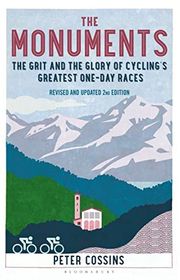
The Monuments
For fans who want to understand the traditions and character of cycling's five major one-day races. Cossins gives the classics a broader historical frame, though the accumulation of editions and riders can be dense for newcomers.
What it's about
Peter Cossins recounts the history of cycling's five Monuments, from Milan-Sanremo to the Tour of Lombardy. The updated edition follows their distinctive courses, rivalries and memorable winners, exploring why these demanding one-day events hold a special place in the sport.

For readers interested in the mental and emotional demands of unsupported distance racing. Chappell gives uncertainty, grief and friendship as much attention as mileage, though the introspective structure offers less of a straightforward route narrative than a conventional travelogue.
What it's about
Emily Chappell recounts attempting the unsupported Transcontinental cycling race across Europe. Physical exhaustion, fragmented sleep, navigation, and self-doubt share space with reflections on grief and friendship, revealing the emotional demands behind a race measured in thousands of kilometers.

For readers interested in belonging and confidence beyond professional racing. Walker brings the experiences of a Black woman returning to cycling into the foreground, though the personal account is more about participation and identity than equipment or performance advice.
What it's about
Jools Walker recounts returning to cycling after a decade away and seeking a place in a culture often unwelcoming to women of color. Personal challenges and other women's stories accompany her exploration of belonging, confidence, and the joy of riding.

For readers interested in both cycling and documentary filmmaking. Fotheringham connects the 1976 Paris-Roubaix with the work of capturing it on screen, though the attention to production makes it more specialized than a general race history.
What it's about
William Fotheringham investigates the making of Jorgen Leth's documentary about the 1976 Paris-Roubaix cycling race. Riders, filming methods, and locations frame an account of how camera and sound techniques captured the demands of the race and the culture surrounding it.

For readers who enjoy the visual history and material culture surrounding racing. Knight uses jerseys to connect design with sporting identity, though the illustrated approach offers less sustained narrative than a biography or a history of competition.
What it's about
Oliver Knight traces the cycling jersey's history through photographs, archival material, and accounts from riders, designers, and collectors. The illustrated book connects craftsmanship and visual style with racing culture, exploring how a practical garment became an object of sporting identity.

The Road Book Cycling Almanack 2019
For racing enthusiasts who want a detailed record of the 2019 season. The combination of results and essays supports revisiting that particular year, though the dated annual format serves historical reference rather than keeping up with current racing.
What it's about
Edited by Ned Boulting, this almanac records the 2019 cycling season month by month. Race data, infographics, essays, and firsthand accounts from riders document major events, including the Tour de France, Giro d'Italia, and Vuelta a Espana.

For readers drawn to cycling as a vehicle for personal change and long-distance adventure. Buhring connects the world journey with grief and unfamiliar challenges, though the memoir's emotional focus provides less practical touring guidance than a route-planning book.
What it's about
After bereavement and depression, Juliana Buhring decides to ride around the world alone despite limited cycling experience. Her memoir follows the preparation and long journey from Naples, connecting difficult landscapes and encounters with the personal loss that set her in motion.

To Make Riders Faster
For readers interested in bicycle engineering as a business story. Dopico connects Cervelo's development with the people and decisions behind the company, though the close company perspective is narrower than an independent history of the cycling industry.
What it's about
Anna Dopico tells the story of Cervelo Cycles and its founders, Gerard Vroomen and Phil White. Photographs, quotations, and personal accounts connect bicycle engineering and racing with the business successes and setbacks of building a company from a university project.
Sources
- 1
Best cycling books in 2025
bikeradar.com
- 2
The 10 best cycling books
theguardian.com
- 3
Cycling Books
goodreads.com
- 4
The best cycling books 2026 reviewed
cyclist.co.uk
- 5
42 of the best cycling books : check out the books every cyclist should own
road.cc
- 6
Books about riding/racinf
reddit.com
- 7
Best cycling books?
reddit.com
- 8
31 best cycling books of all time - our hand-picked favourites
epicroadrides.com








Edited by
Software engineer whose passion for tracking book recommendations from podcasts inspired the creation of MRB.
Lead investor at 3one4 Capital whose startup expertise and love for books helped shape MRB and its growth.
Comments
Did we miss something? Have feedback?
Help us improve this page by sharing your thoughts